History
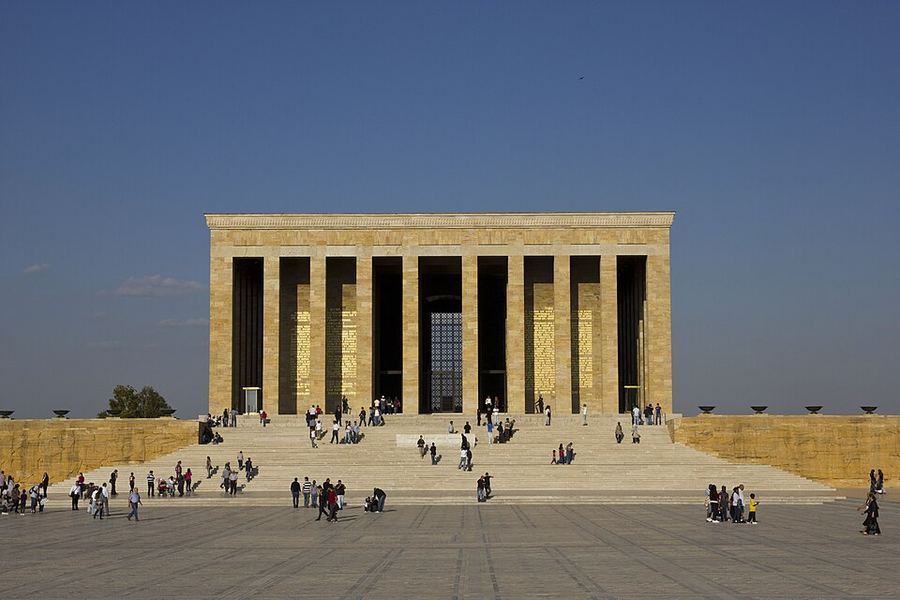
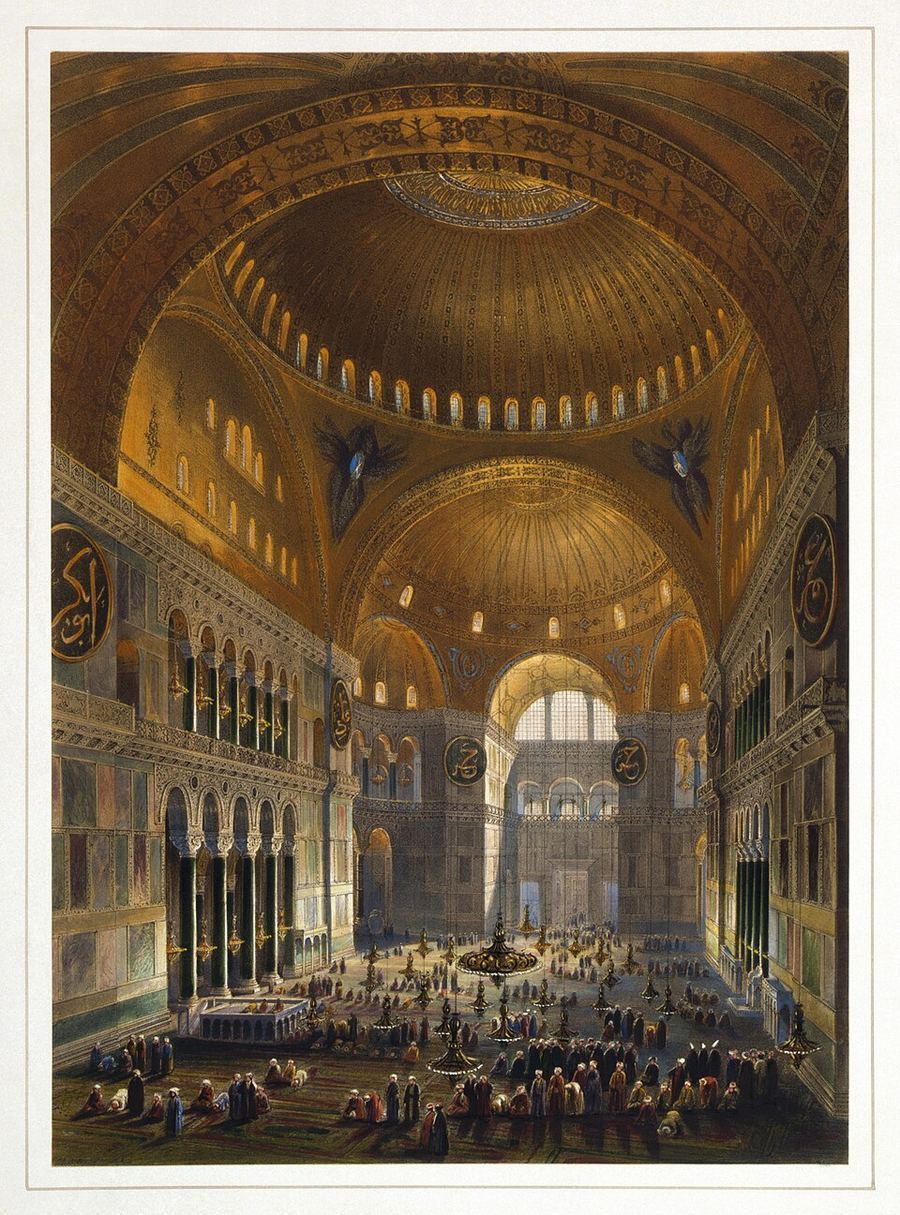
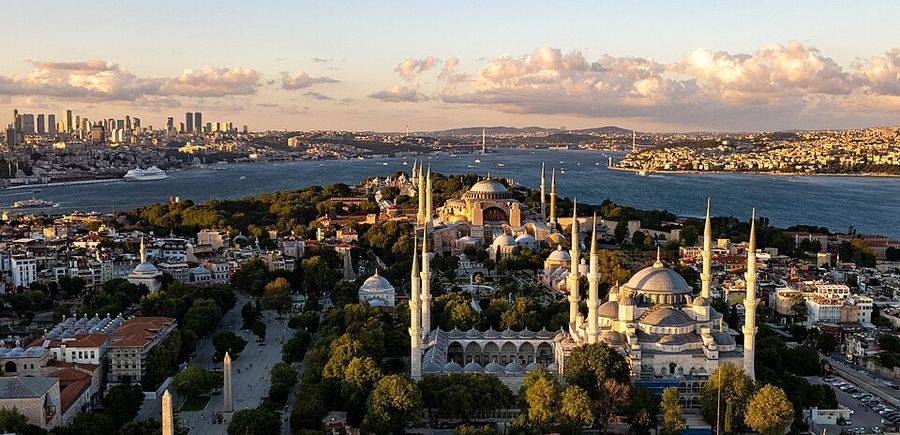
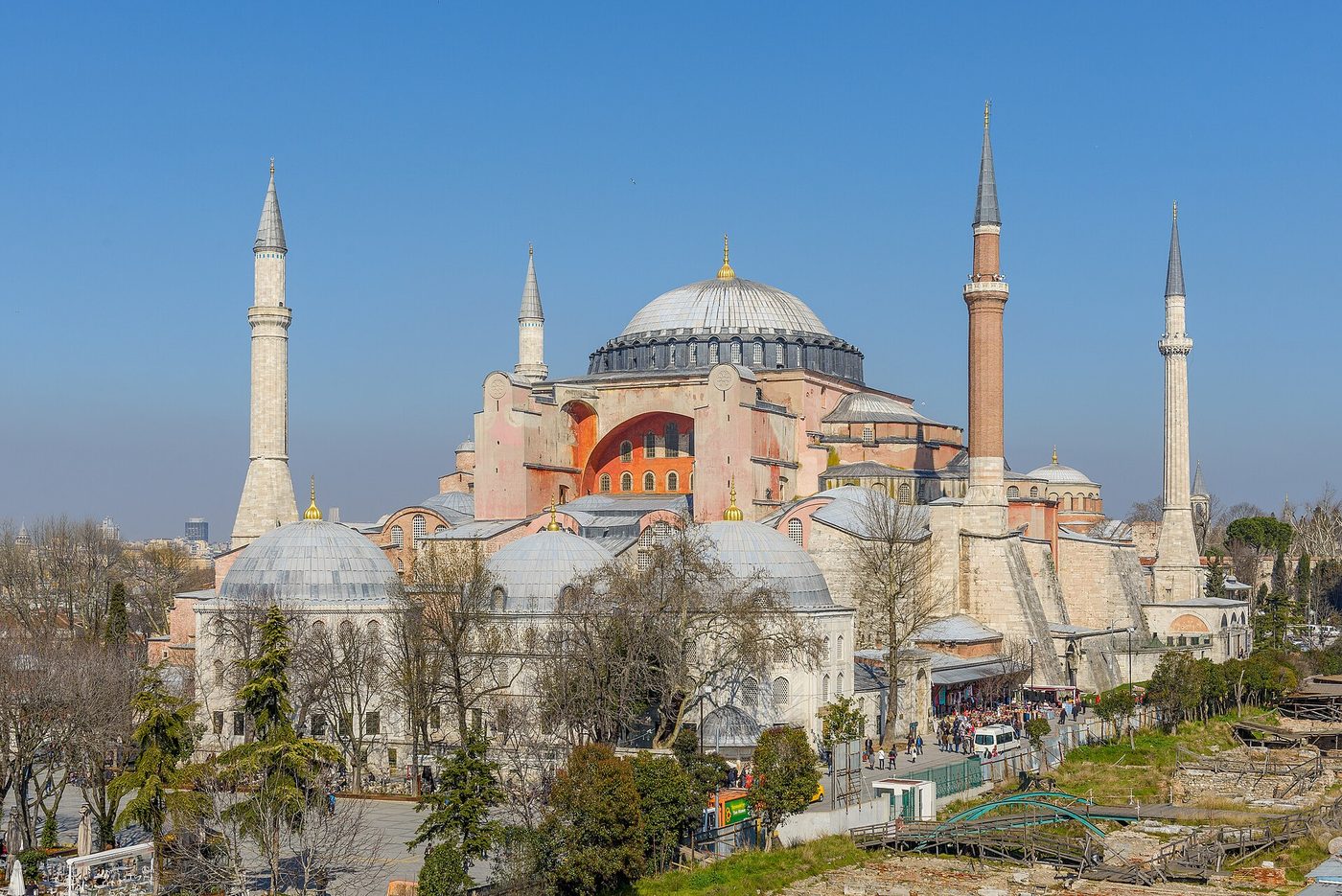
Türkiye is the only major country that physically straddles two continents: 97 percent of its landmass lies in Asia (Anatolia), while its European sliver, Thrace, anchors Istanbul — a metropolis of nearly 16 million whose skyline drapes across the Bosphorus strait linking the Black Sea to the Mediterranean. Home to 86.1 million people (TurkStat's address-based count for end-2025, released in February 2026) with a youthful median age of 34.9 years, the republic proclaimed by Mustafa Kemal Atatürk on 29 October 1923 succeeded the six-century Ottoman Empire and moved the capital inland to Ankara. Turks make up roughly 70–75 percent of the population and Kurds about 19 percent; the country also hosts around three million refugees, among the largest such populations on Earth. Its G20 economy — roughly $3 trillion at purchasing power parity, growing 3.6 percent in 2025 while annual inflation fell below 30 percent in September 2026 for the first time since 2021 — exports garments, cars, gold, and vehicle parts, with Germany its top customer. Layered with Hittite, Greek, Roman, Byzantine, Seljuk, and Ottoman inheritance, and drawing a record 64 million visitors in 2025, Türkiye is simultaneously an open-air museum and one of the most dynamic emerging economies between Europe and Asia.
Istanbul's urban core is home to about 14,763,538 people.
That's bigger than London, Paris, Madrid and Toronto — each a great world city in its own right.
Among the world's megacities, though, it's one of many — the giants of Asia and Latin America run larger still:
More people live in Istanbul than in the entire nation of Sweden, Greece, Portugal or Israel.
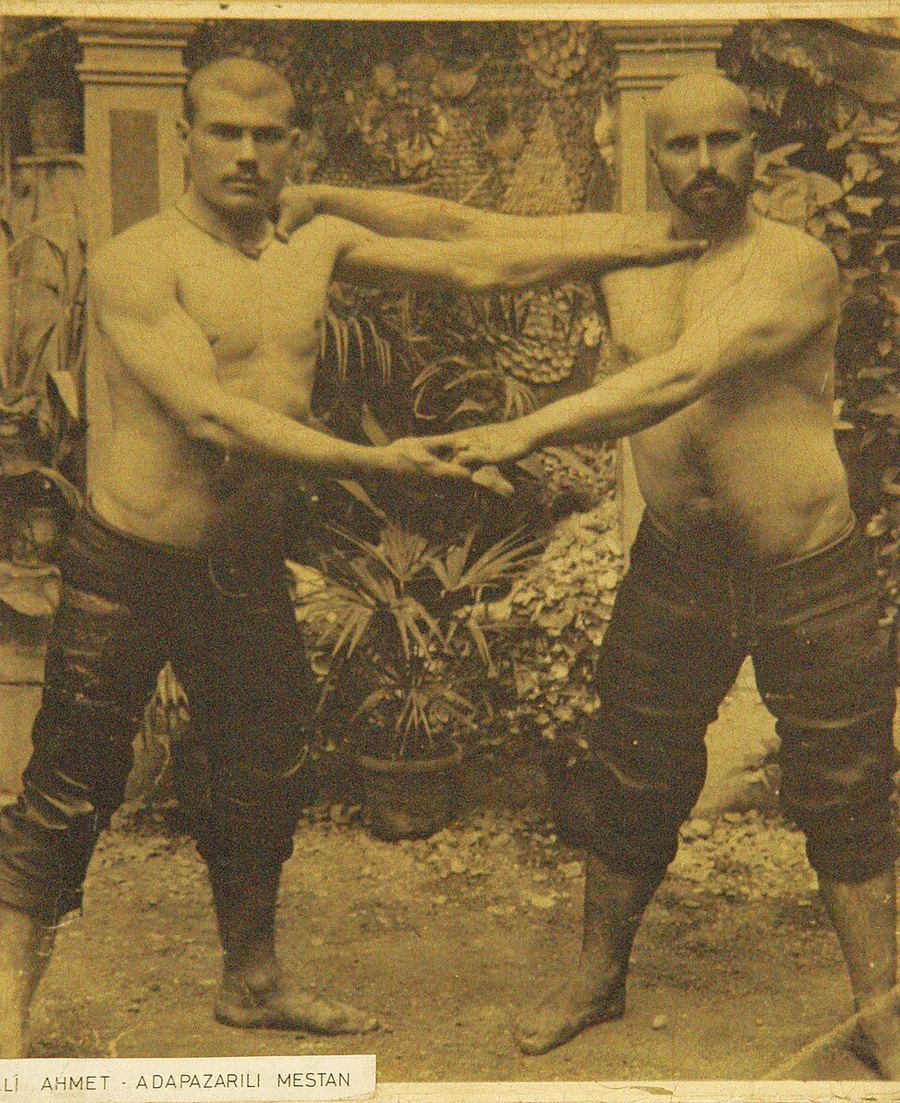
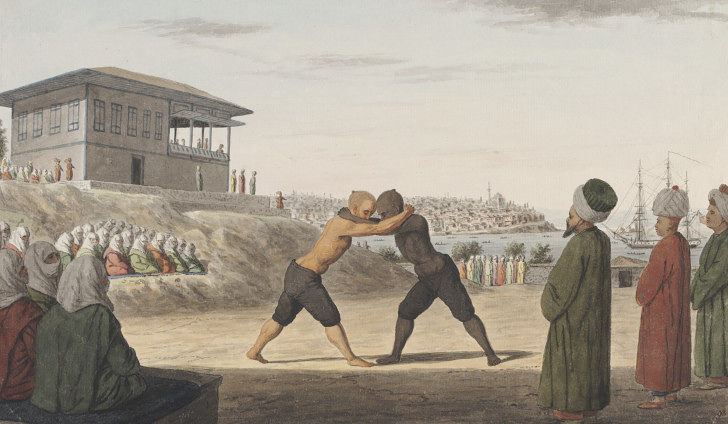
Türkiye's global sporting résumé peaks at the 2002 FIFA World Cup, where the national team finished third and Hakan Şükür scored the fastest goal in tournament history — roughly eleven seconds into the third-place match against South Korea. The 2026 World Cup was the first return since then: Türkiye finished bottom of a group with Australia, Paraguay, and the USA, though a 3-2 win over the American co-hosts in Los Angeles sent the team home on a high. The Olympic ledger is dominated by wrestling, the traditional national sport, which has supplied the majority of Türkiye's medals, and by weightlifting's Naim Süleymanoğlu, the 'Pocket Hercules,' whose three consecutive golds from 1988 to 1996 made him the first weightlifter to achieve the feat. Tokyo 2020 brought golds from archer Mete Gazoz and boxer Busenaz Sürmeneli; Paris 2024 produced an unlikely icon in pistol shooter Yusuf Dikeç, whose nonchalant hand-in-pocket silver-medal stance went globally viral. At the Milano Cortina 2026 Winter Games Türkiye sent its largest-ever winter delegation of nine athletes, including two ski jumpers for the first time, but left without a medal. Team sport delivered the headlines of 2025: the men's basketball team took EuroBasket silver — its first since 2001 — after an 88-83 final defeat to Germany, and the 'Sultans of the Net' women's volleyball team, European champions and Nations League winners in 2023, added a world championship silver in Bangkok after a five-set final against Italy.
Presidential republic
Unicameral
Composition — Ak Party largest party
Ak Party 267 · CHP 130 · YSGP 57 · MHP 50 · İyi Party 44 · Other 52
Last election 5/14/2023 · 19.9% women
Consists of the president, 2 vice presidents, and 12 judges); Court of Cassation (consists of about 390 judges and is organized into civil and penal chambers); Council of State (organized into 15 divisions -- 14 judicial and 1 consultative -- each with a division head and at least 5 members
Turkish Lira — TRY (₺)
GDP (PPP): $3.018 trillion (2024 est.) (in 2021 dollars)
Per capita: $35,300 (2024 est.) (in 2021 dollars)
$372.756 billion (2024 est.)
garments, cars, gold, refined petroleum, vehicle parts/accessories (2023)
Partners: Germany 9%, USA 6%, UK 6%, UAE 5%, Iraq 5% (2023)
$367.022 billion (2024 est.)
gold, refined petroleum, cars, plastics, natural gas (2023)
Partners: China 13%, Russia 9%, Germany 9%, Switzerland 6%, USA 5% (2023)
Type: presidential republic
Independence: 29 October 1923 (republic proclaimed, succeeding the Ottoman Empire)
How mountains, coasts, and rivers shape settlement (LandScan).
Not yet available for this countryWhere groups settled and how people move (GeoEPR + UNHCR).
Not yet available for this countryNotable institutions, mappable as points.
Not yet available for this country