History
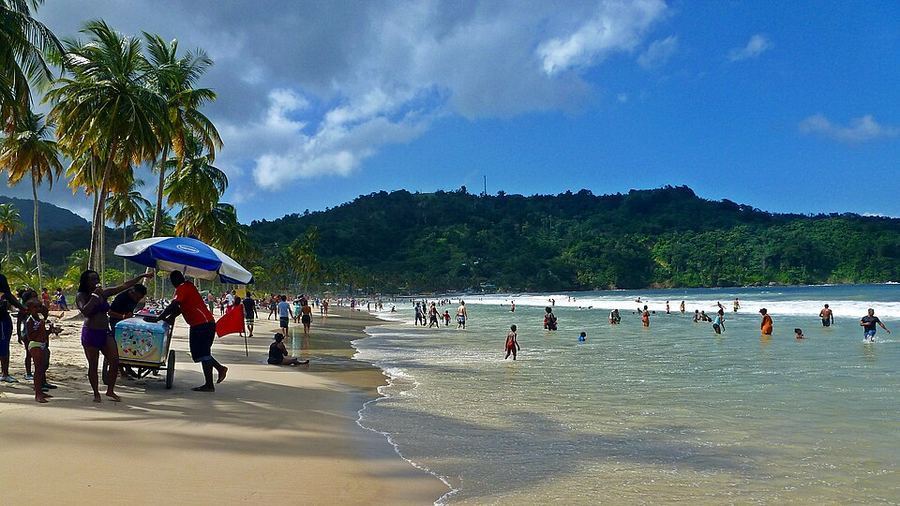
Trinidad and Tobago is a two-island republic at the southern end of the Caribbean, lying just off the coast of Venezuela — close enough that the Northern Range of Trinidad is a geological continuation of the Andes and the island's flora and fauna are South American rather than typically Antillean. Its 1.4 million people are concentrated on Trinidad, around Port of Spain, San Fernando and the fast-growing central corridor at Chaguanas, while Tobago, far smaller and greener, is governed with its own assembly and lives largely from tourism. The population is one of the most evenly plural in the hemisphere: roughly a third of Indian descent, roughly a third of African descent, and a large and growing mixed population, with Christians, Hindus and Muslims all holding public holidays in the national calendar. Independence from Britain came on 31 August 1962 and republican status in 1976. Unlike most of its neighbours, the country is not a tourism economy: oil has been produced here since the nineteenth century, and natural gas now drives an industrial complex at Point Lisas and Point Fortin that makes Trinidad and Tobago one of the world's leading exporters of ammonia, methanol and liquefied natural gas, and gives it one of the highest incomes per head in the Caribbean.
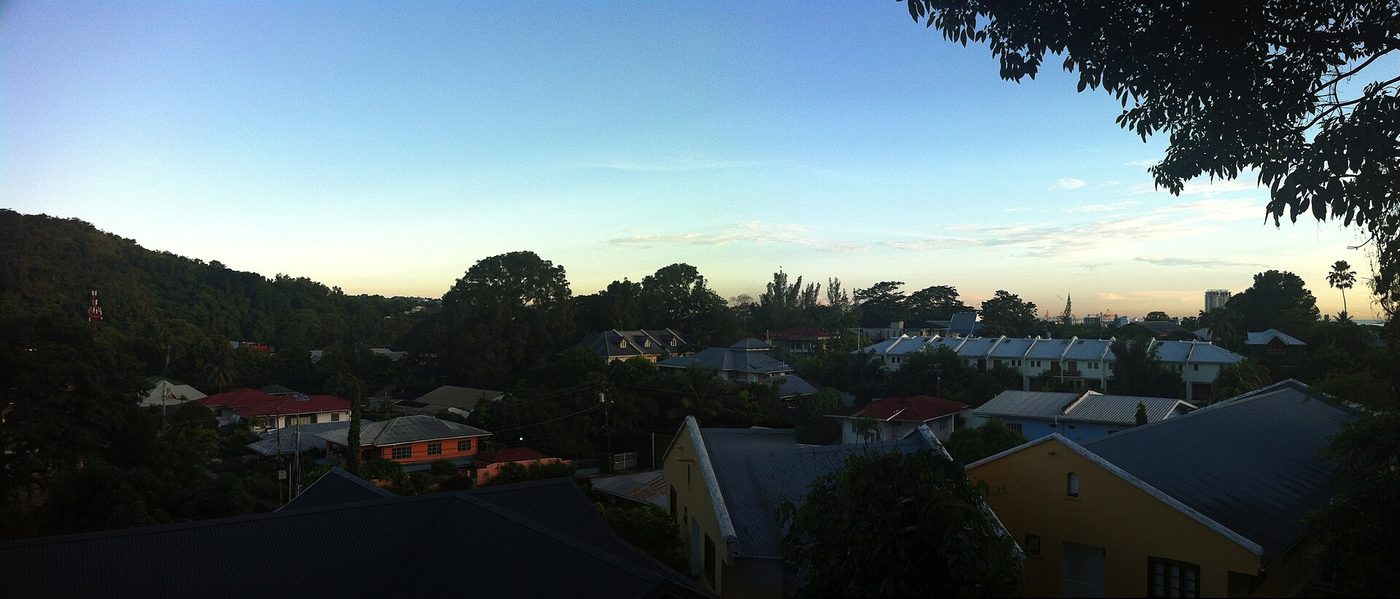
Port of Spain's urban core is home to about 484,332 people.
Among the world's megacities, though, it's one of many — the giants of Asia and Latin America run larger still:
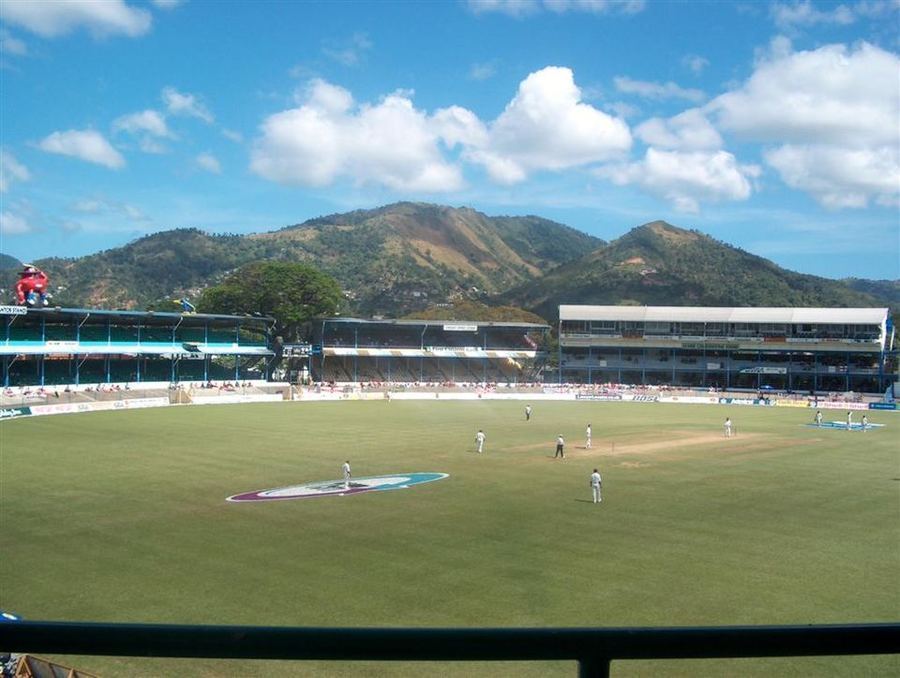
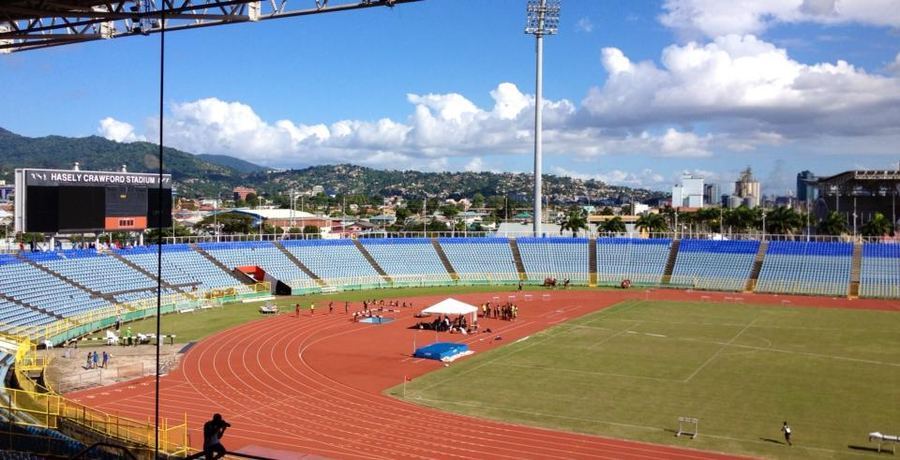
Trinidad and Tobago has won Olympic medals since Rodney Wilkes took weightlifting silver at the London Games of 1948. Hasely Crawford's victory in the 100 metres at Montreal in 1976 gave the country its first gold and made him a national figure whose name was given to the main stadium; Ato Boldon won four sprint medals across the 1996 and 2000 Games; and Keshorn Walcott's javelin gold at London in 2012, followed by a bronze in Rio, was the first Olympic throwing title won by any Caribbean athlete. In cricket, Trinidadians have been central to West Indies teams from Learie Constantine onward, and Brian Lara's 400 not out against England in 2004 remains the highest individual innings in Test history, having already broken the record with 375 a decade earlier. In football, the Soca Warriors qualified for the World Cup for the only time in 2006, holding Sweden to a goalless draw in Germany with a team built around Dwight Yorke, Russell Latapy and Shaka Hislop — an achievement that remains the high point of the country's football history. The islands also compete at the Commonwealth Games, the Pan American Games and the CARIFTA Games.
Parliamentary republic
Christine Kangaloo — PresidentPNM
In office since 20 March 2023
Kamla Susheila Persad-Bissessar — Prime Minister
Bicameral
Senate — 31 seats
Last election 5/23/2025 · 25.8% women
House of Representatives — UNC majority
UNC 26 · PNM 13 · Other 2
Last election 4/28/2025 · 23.8% women
consists of a chief justice for both the Court of Appeal with 12 judges and the High Court with 24 judges
Trinidad and Tobago Dollar — TTD (None)
GDP (PPP): $43.362 billion (2024 est.)
Per capita: $31,700 (2024 est.)
$11.087 billion (2024 est.)
natural gas, alcohols, ammonia, crude petroleum, iron reductions (2023)
Partners: USA 28%, China 7%, Guyana 5%, Chile 5%, Netherlands 5% (2023)
$10.19 billion (2024 est.)
railway cargo containers, refined petroleum, cars, iron ore, excavation machinery (2023)
Partners: USA 29%, Guyana 27%, China 8%, Brazil 4%, Canada 3% (2023)
Type: parliamentary republic
Independence: 31 August 1962 (from the UK)
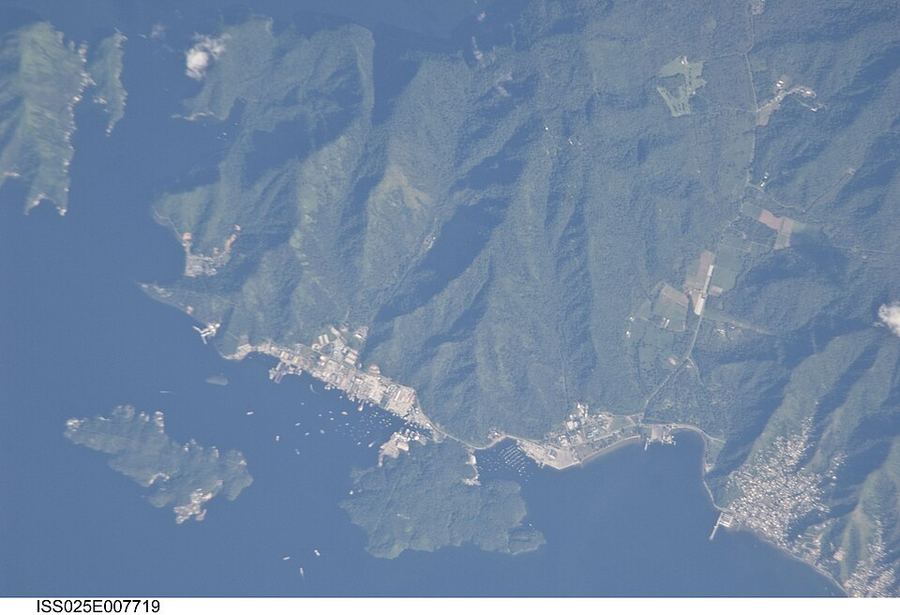
How mountains, coasts, and rivers shape settlement (LandScan).
Coming — dataWhere groups settled and how people move (GeoEPR + UNHCR).
Coming — dataNotable institutions, mappable as points.
Coming — data