HERA · Human Entity Reference Atlas by Masego Inc

← El Salvador 🌐 3D View
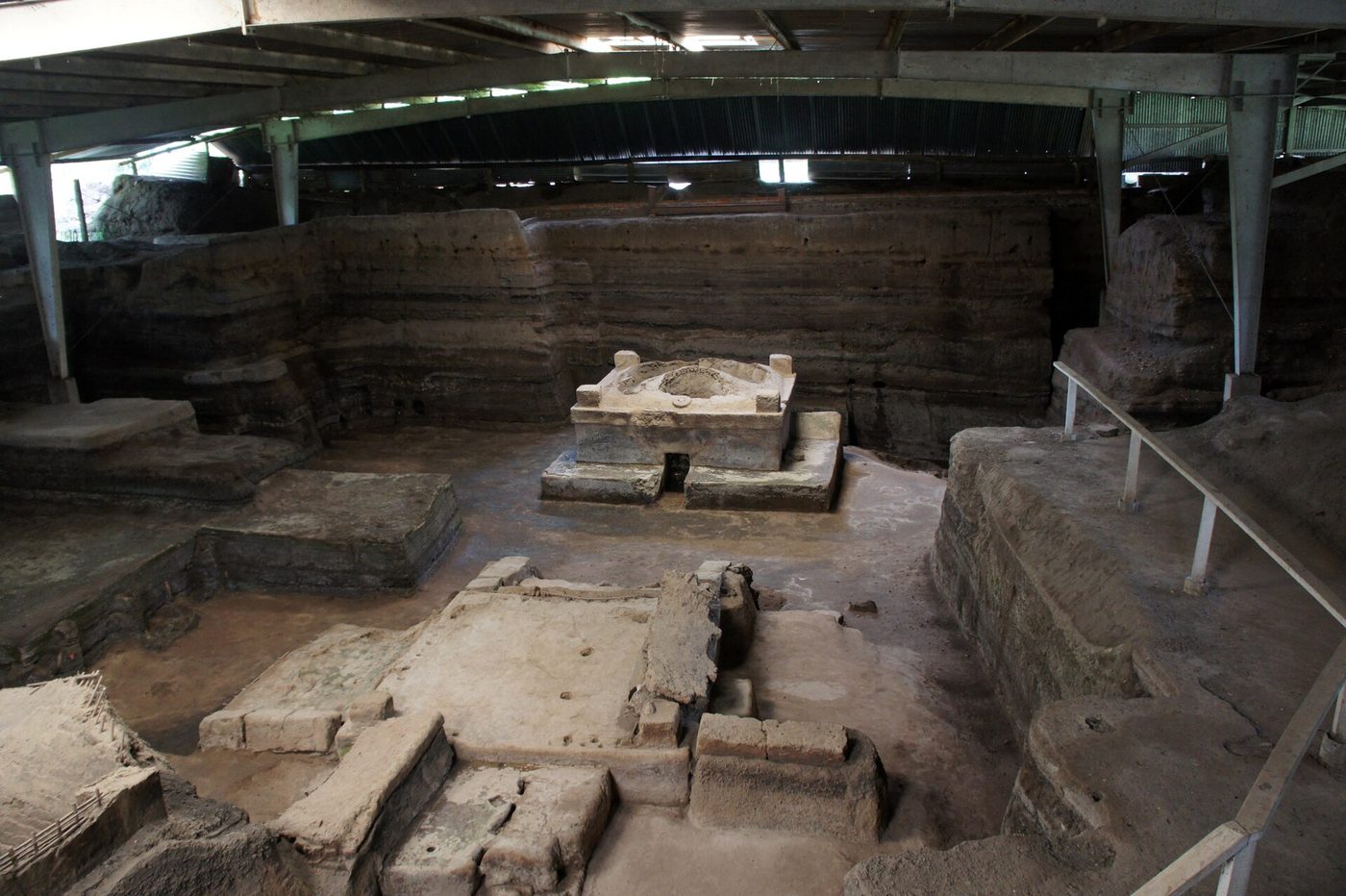
ES Joya Ceren 05 2012 Estructura 9 Area 2 Tamazcal wide angle, El Salvador
El Salvador SLV
ES Joya Ceren 05 2012 Estructura 9 Area 2 Tamazcal wide angle — Photo: Mariordo (Mario Roberto Duran Ortiz) / CC BY-SA 3.0 via Wikimedia Commons
Did You Know El Salvador is the only country in continental Central America with no Caribbean coastline, and at roughly 21,000 square kilometres it is the region's smallest and most densely populated state. — CIA World Factbook

El Salvador is the smallest country in continental Central America and the only one with no Caribbean coastline, packing roughly 6.3 million people onto a Pacific-facing strip of volcanic highland between Guatemala and Honduras. Its landscape is defined by the two parallel ranges of cones that give it the nickname 'the land of volcanoes', and by the crater lakes, coffee slopes and black-sand beaches that come with them. The population is overwhelmingly mestizo — about 86% by the last count — with Spanish universal and the indigenous Nawat language reduced to a few hundred elderly speakers. Roman Catholicism, at roughly 44%, no longer holds a majority: evangelical Protestantism has grown to nearly 40%, one of the sharpest religious realignments in Latin America. The country has used the US dollar as its currency since 2001, and in 2021 became the first state anywhere to make bitcoin legal tender. Its economy runs on garment assembly, sugar, coffee and, above all, remittances from a diaspora of roughly two million people in the United States, which are equivalent to close to a quarter of GDP. A twelve-year civil war ended in 1992; the gang violence that followed, and the sweeping state of exception imposed against it in 2022, dominate contemporary politics.

CIA World FactbookWorld BankEncyclopaedia Britannica
Population
6,334,723
Capital
San Salvador
Currency
Time zones
Largest city
San Salvador
Human Geography Themes
Loading national figures…
Largest Cities
San Salvador1,643,648
Santa Ana205,665
Sonsonate181,726
San Miguel165,222
Lourdes134,909
Ahuachapan83,851
Chalchuapa65,024
Usulután64,304
In Perspective

San Salvador's urban core is home to about 1,643,648 people.

That's bigger than Amsterdam — each a great world city in its own right.

San Salvador1,643,648
Amsterdam1,223,407

Among the world's megacities, though, it's one of many — the giants of Asia and Latin America run larger still:

San Salvador1,643,648
Jakarta40,545,126
Dhaka37,307,160
Tokyo33,244,670
Shanghai30,678,616
Cairo25,230,325
The Country & Its People

History

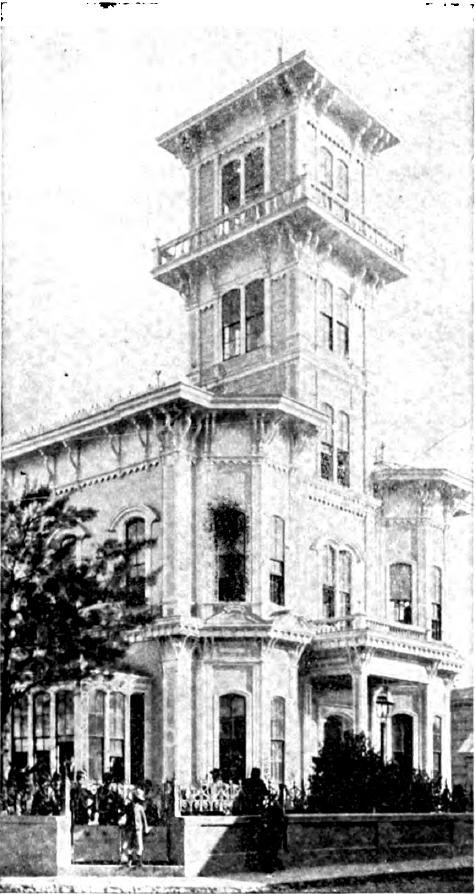
Before the Spanish arrived the western and central highlands were held by the Pipil, Nahua-speaking migrants from central Mexico whose polity of Cuzcatlán gives the country its enduring alternative name; the east was Lenca country. Pedro de Alvarado's forces met determined resistance from 1524 and took years to impose control. The colony's wealth came from indigo — añil — which made the province a significant supplier of blue dye to Europe until synthetic dyes destroyed the trade in the nineteenth century, whereupon coffee replaced it and, with it, a land regime that concentrated ownership in very few hands. Independence from Spain was declared on 15 September 1821, followed by membership of the Federal Republic of Central America until it dissolved in 1841. The defining episode of the twentieth century's first half was La Matanza of 1932: a peasant and indigenous uprising, associated with the communist organiser Farabundo Martí, was crushed by the army under Maximiliano Hernández Martínez with a death toll usually estimated in the tens of thousands, and the reprisals effectively ended open indigenous identity and Nawat speech in much of the west. Military-dominated governments held power for the next five decades, ending in the civil war of 1980–1992.
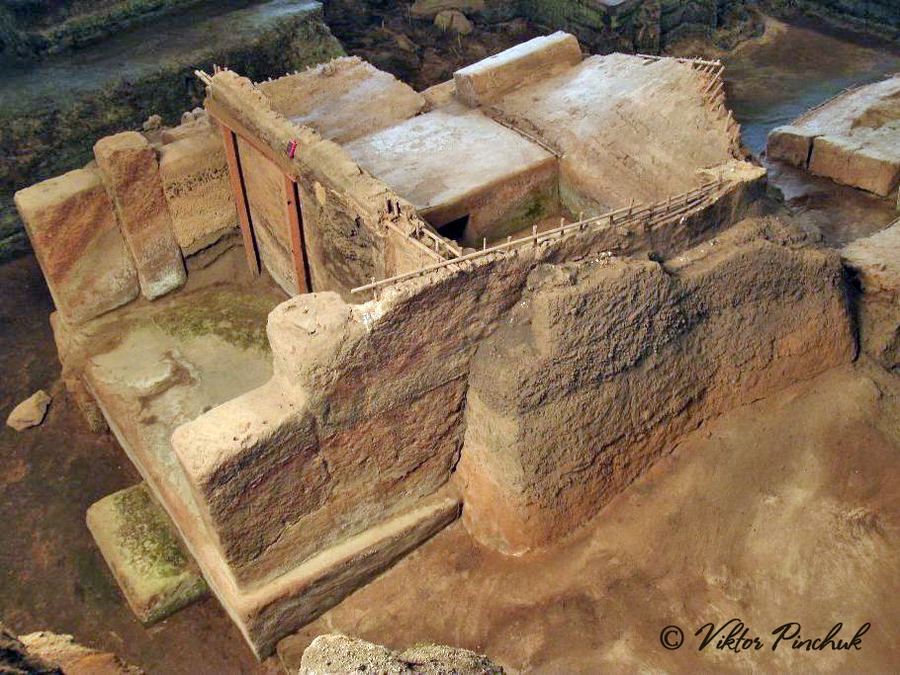
History, El Salvador
Виктор Пинчук / CC BY-SA 4.0

Culture

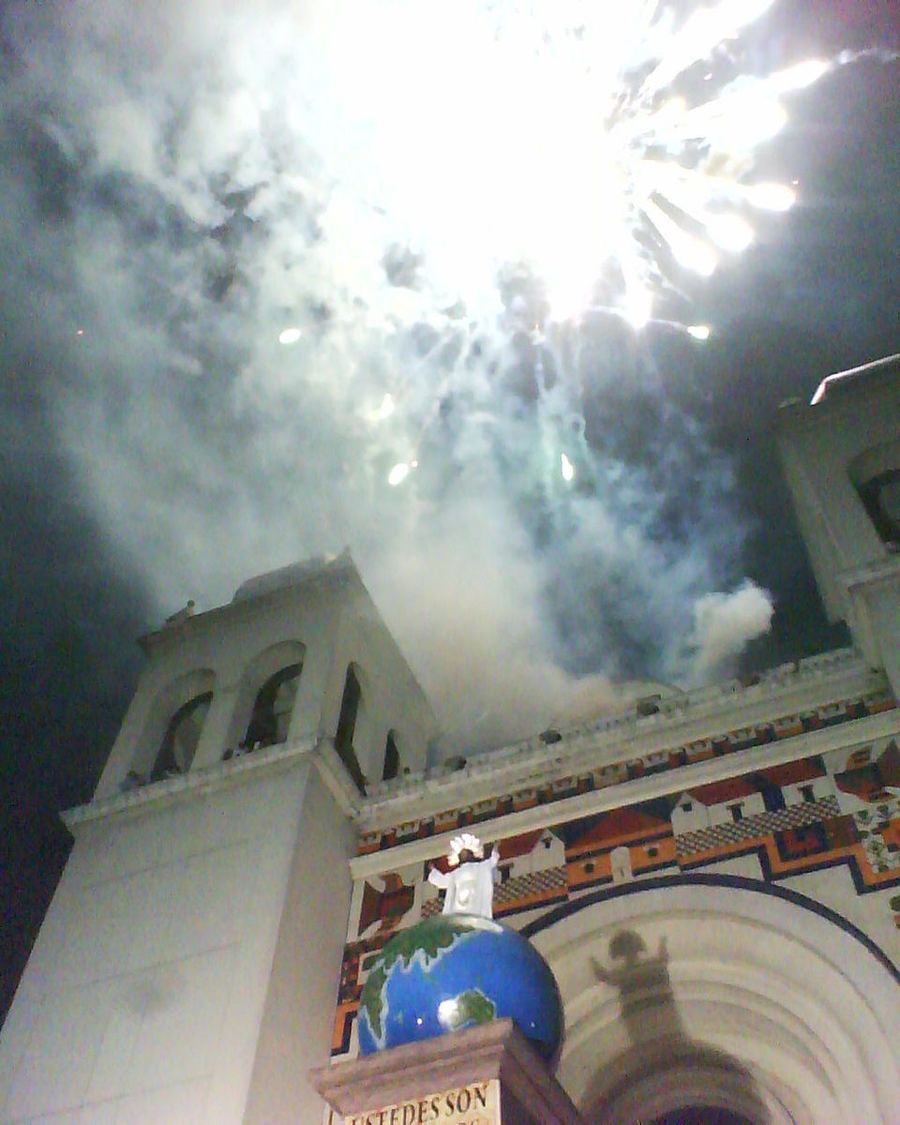
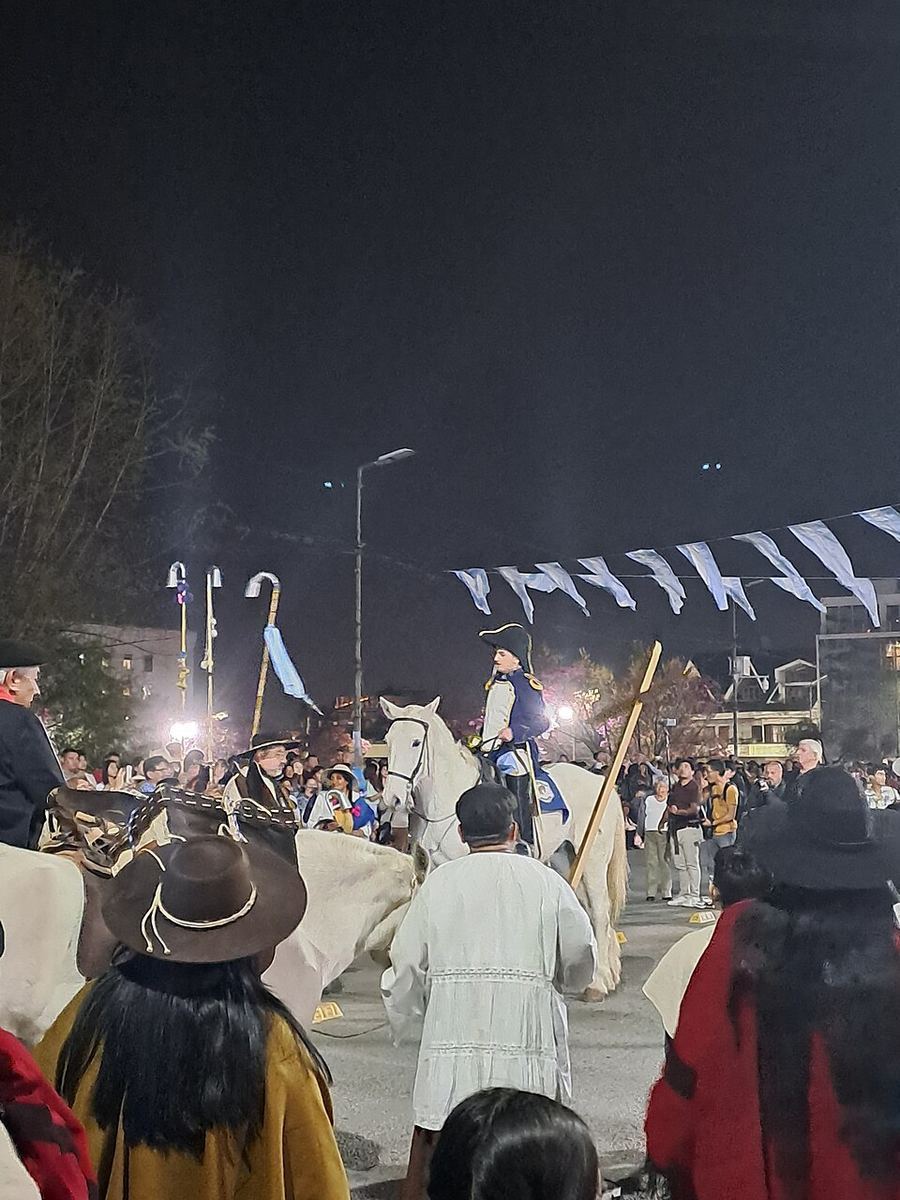
Salvadorans call themselves guanacos, an affectionate self-description that carries a certain pride in bluntness and hard work, and the culture is more informal and less ceremonious than that of its larger neighbours. Family is the organising unit and is now routinely transnational: a very large share of households has a member in the United States, and the flow of money, goods, styles and slang from Los Angeles, Houston and Washington is a constant presence rather than an occasional one. Religious life is intense and increasingly plural — Catholic patronal festivals still structure the town calendar, while evangelical and Pentecostal congregations have grown to nearly 40% of the population and are the dominant social institution in many neighbourhoods. The Fiestas Agostinas in the first week of August, honouring El Salvador del Mundo, empty San Salvador of ordinary business for a week of processions, fairground and beach. Village festivals keep older forms alive: the bolas de fuego of Nejapa on 31 August, in which two sides pelt each other with flaming kerosene-soaked rags, and the flower-and-palm processions of Panchimalco in May. Public life since 2022 has been reshaped by the state of exception and by an unfamiliar freedom of movement after decades of gang control.
Culture, El Salvador
Ocastro3 / CC0

Points Of Pride

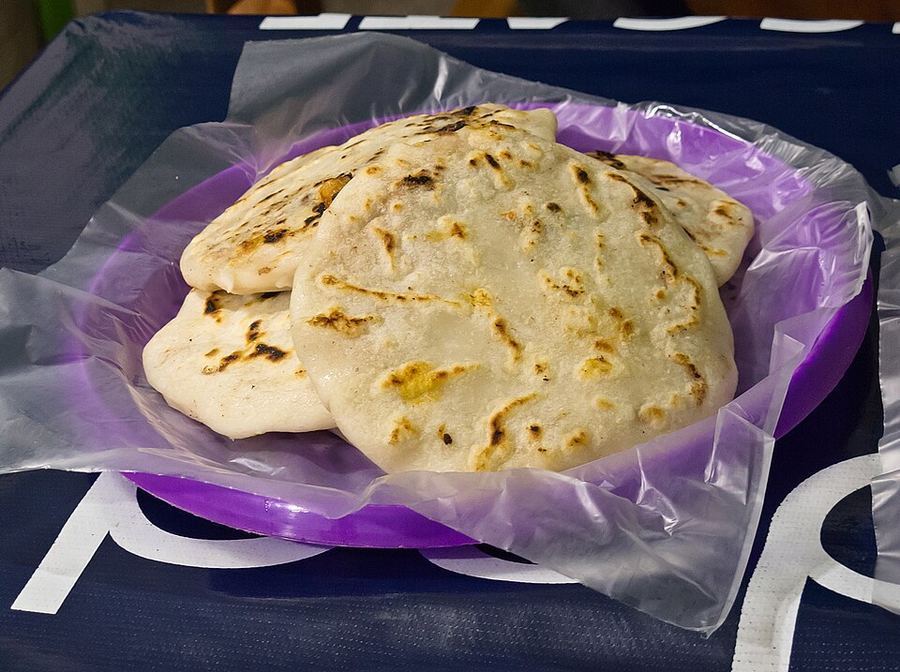
The pupusa is the first thing Salvadorans will name — a thick griddled maize cake stuffed with cheese, beans or chicharrón, declared the national dish by law, with a national Pupusa Day observed each November. The second is Óscar Arnulfo Romero, the archbishop of San Salvador shot dead at the altar in March 1980 after denouncing state killings from the pulpit; Pope Francis canonised him in October 2018, and he is now both a saint and the country's most widely recognised moral figure. Joya de Cerén, a Maya farming village near San Juan Opico buried under volcanic ash around AD 600 and preserved with its houses, tools, gardens and half-eaten meals intact, is inscribed on the UNESCO World Heritage list and is routinely called the Pompeii of the Americas; it is the only site in the country to hold that status and is prized precisely because it records ordinary life rather than elite monuments. Salvadorans also take pride in the Pacific surf at Punta Roca and El Tunco, in a coffee tradition that once made the country one of the world's leading exporters per head, and in the sheer density of accessible volcanoes.
Points Of Pride, El Salvador
Rômulo Gama Ferreira from Vitória-ES / CC BY 2.0

Cultural Fusion

El Salvador is the most thoroughly mestizo country in Central America, and the fusion happened early and then was violently completed. Indigenous identity was not so much absorbed as suppressed after 1932, when wearing indigenous dress or speaking Nawat became dangerous; the census now records an indigenous population of only about 0.2%, covering Nahua-Pipil, Lenca and Kakawira communities, though the cultural residue is far larger than that figure — in place names, in the maize-centred diet, in the Nawat words that survive in everyday Salvadoran Spanish. A second and quite different strand came from the Levant: Palestinian Christian families, mostly from Bethlehem and Beit Jala, settled from the late nineteenth century, built substantial businesses in textiles and commerce, and became a visible part of the political and economic elite, President Nayib Bukele among their descendants. Smaller Lebanese, Chinese and German communities followed similar paths. The largest fusion today runs north: roughly two million Salvadorans live in the United States, and the return traffic of money, English loanwords, evangelical church models, food franchises and — in the 1990s, through deportation — the Los Angeles gang structures has shaped the country as decisively as any colonial inheritance.
Cultural Fusion, El Salvador
feinteriano / CC BY-SA 3.0

Music & Dance

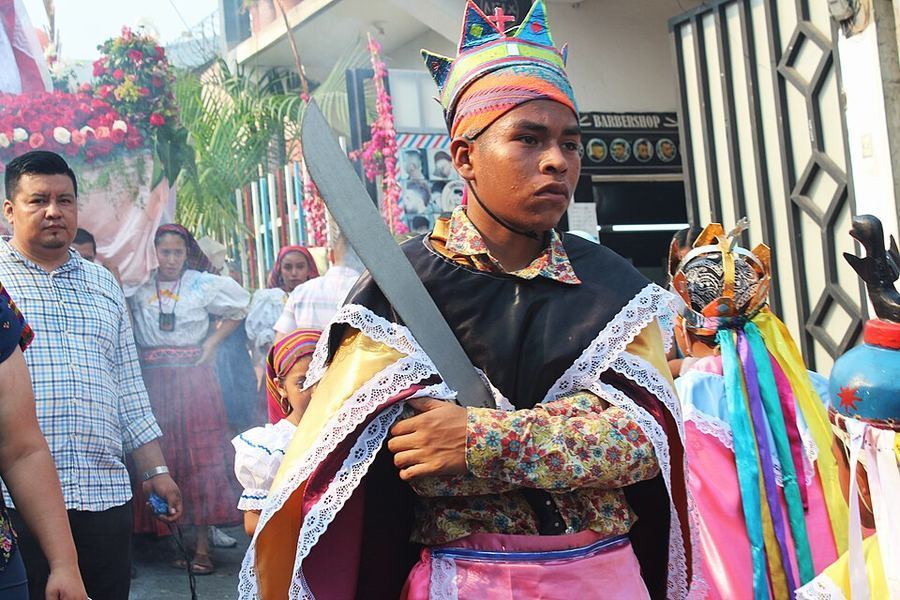
The rhythm Salvadorans claim as their own is the xuc, devised in the middle of the twentieth century by the bandleader Paquito Palaviccini, whose 'Adentro Cojutepeque' remains its signature piece; it takes a marching-band feel and a syncopated bass and is the sound of national holidays and school parades. Around it sits the wider Central American orquesta tradition, in which Los Hermanos Flores have been the dominant institution for decades, playing cumbia at weddings, patronal fairs and political rallies alike. Cumbia, in its Salvadoran variant, is the default dance music, with salsa and merengue close behind and reggaeton now dominant among the young. Folk dance is preserved chiefly through the danza de los historiantes, a costumed Moors-and-Christians drama brought by Spanish friars and still performed at patronal festivals in towns such as Panchimalco and Izalco, and through the courtship dance El Torito Pinto. The marimba is played, though less centrally than in Guatemala. In the diaspora, Salvadoran cumbia and its LA-inflected offshoots have kept a distinct identity within the broader Latin market, and returning styles feed back into the domestic scene continuously.
Music & Dance, El Salvador
Feralmej / CC BY-SA 4.0

Cuisine & Misattributed Foods

The pupusa is the centre of Salvadoran eating: a hand-patted disc of maize or rice masa filled before griddling with quesillo, refried beans, chicharrón, loroco flower buds, or all of them together in the revuelta. It is served with curtido — a lightly fermented cabbage and carrot slaw sharpened with vinegar — and a thin cooked tomato salsa, and it is eaten with the hands, at any hour, from roadside pupuserías that are as much social fixtures as food outlets. Beyond it the repertoire is maize-and-bean based and heavier on seafood than most of the isthmus: yuca frita with chicharrón and curtido, tamales wrapped in banana leaf, panes con pollo — a heavily dressed marinated chicken sandwich eaten at festivals — sopa de pata made from tripe and cow's foot, and the mariscadas and cocktails of the Pacific coast. Sweet cheese quesadilla, a dense pound cake rather than a filled tortilla, accompanies coffee. The characteristic drinks are horchata made from morro seeds rather than rice, atol de elote, and the country's own arabica coffee, historically grown in shade on volcanic slopes and still the reference point for quality even as production has fallen.
Cuisine & Misattributed Foods, El Salvador
Ll1324 / CC0

National Dress

El Salvador has no single legally defined national costume, and the repression that followed 1932 broke the continuity of everyday indigenous dress more completely here than in Guatemala or southern Mexico. What survives is largely festival and folkloric wear: for women a full gathered skirt in bright printed cotton with a white embroidered blouse, a shawl and flowers or a jug carried on the head; for men white cotton shirt and trousers, a straw hat, a red neckerchief and sandals — the outfit worn for the xuc and for school independence-day parades. Living traditional dress persists most visibly at Panchimalco, where women of the Cofradía still wear the long dark refajo skirt and headcloth for the Flores y Palmas procession in May, and among older women in a handful of Nahua-Pipil communities in the west. The country's strongest textile inheritance is dyeing rather than tailoring: añil, the indigo that was the colony's export staple, has been revived since the 1990s as an artisanal industry around Suchitoto, where workshops produce indigo-dyed cotton clothing and cloth, and it has become the material most associated with contemporary Salvadoran design.
National Dress, El Salvador
MagalíLamas(WJUY) / CC BY-SA 4.0

Sports & Inspiring Athletes

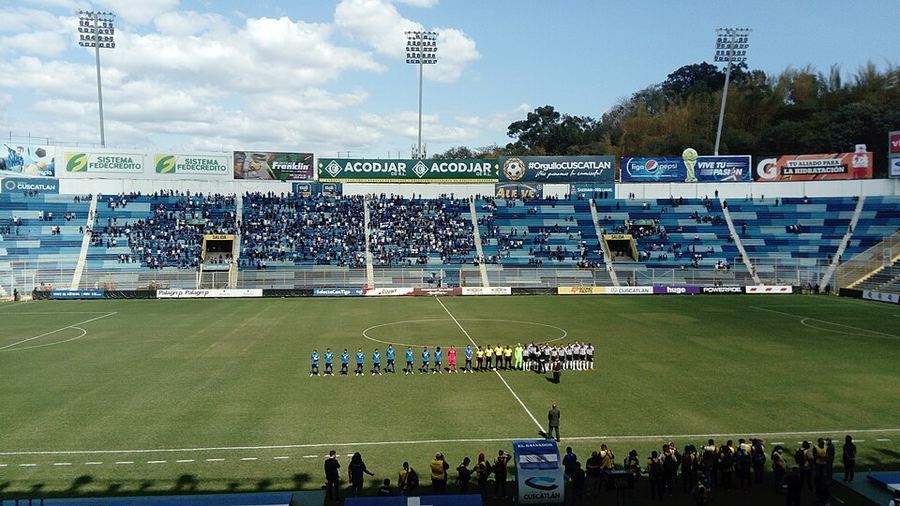
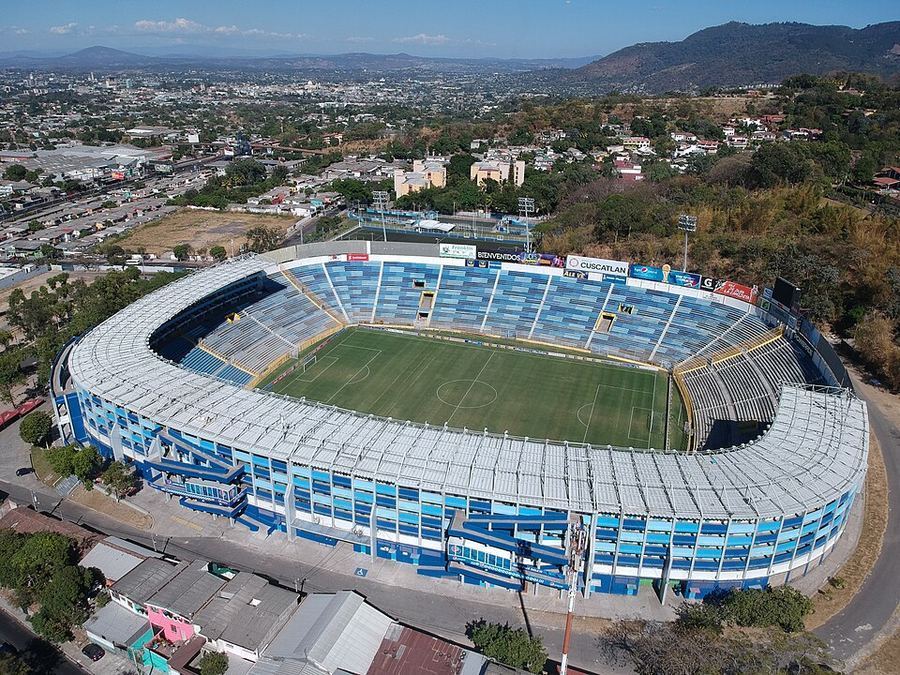
Football is the national sport and the domestic Primera División is followed with intensity disproportionate to its size, dominated historically by Club Deportivo FAS of Santa Ana, Alianza of San Salvador and Águila of San Miguel, whose meetings fill the Estadio Cuscatlán — the largest stadium in Central America. Surfing has become the country's second sporting identity and its most successful export: the right-hand point at Punta Roca in La Libertad is regarded as one of the best waves in the Americas, and the beaches at El Tunco and El Zonte have produced a competitive national squad and a year-round contest calendar. Basketball, volleyball and boxing have followings in the cities, and cycling has a long amateur tradition in the highlands. Beach football has been an unexpectedly strong discipline, with the national side a regular presence at world level. Weightlifting, judo, taekwondo and shooting supply most of the country's regional-games medals. Baseball, dominant elsewhere in the Caribbean basin, has never taken hold here, and the Pacific-facing, football-and-surf sporting culture sets El Salvador apart from its neighbours to the north.
Sports & Inspiring Athletes, El Salvador
Erik Cleves Kristensen / CC BY 2.0

Notable Educational Programs

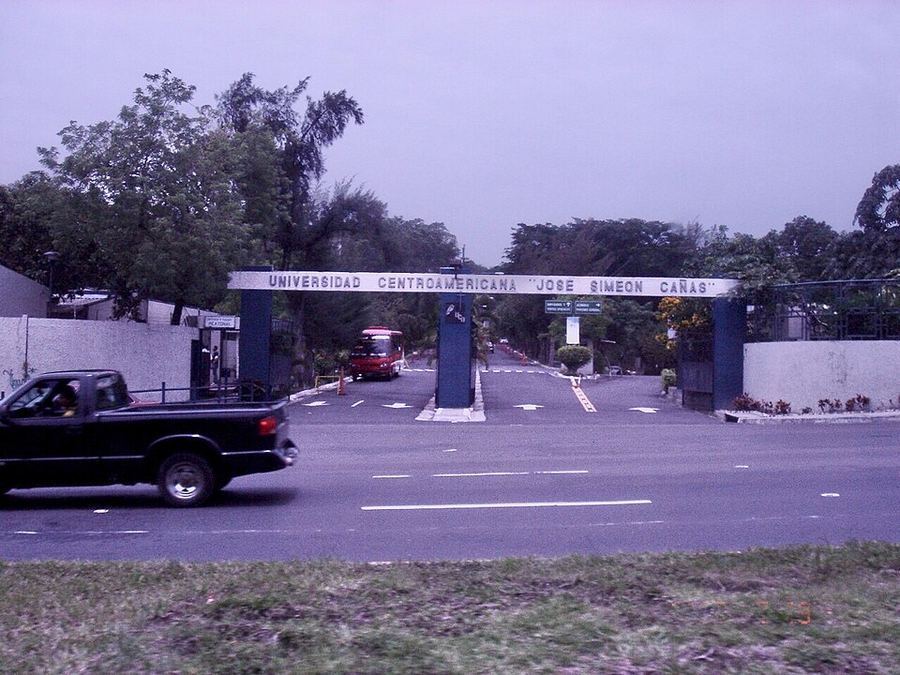
Public education is free and nominally compulsory through the ninth grade, and the state system is anchored by the Universidad de El Salvador, founded in 1841, which remains the only public university and the largest in the country. The most internationally known institution is private: the Universidad Centroamericana José Simeón Cañas, the Jesuit university in San Salvador, whose rector Ignacio Ellacuría and five fellow Jesuits, along with their housekeeper and her daughter, were murdered on the campus by an army unit in November 1989 — an atrocity that did more than any other single event to end international tolerance for the war. The UCA's human rights institute and its public opinion surveys remain central to Salvadoran civic life. The persistent structural problems are secondary completion and rural coverage: a substantial share of students leaves before finishing, and gang control of neighbourhoods long made simply travelling to school hazardous, a constraint that has eased markedly since 2022. Recent government policy has concentrated on rebuilding and re-equipping school buildings and on distributing laptops and connectivity, alongside English and computing curricula, with results still too recent to assess.
Notable Educational Programs, El Salvador
Pablo H / CC BY 2.0

Wars & Conflicts

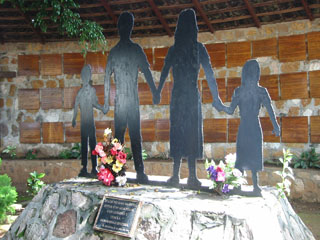
The civil war of 1980 to 1992 between the government, backed heavily by the United States, and the Farabundo Martí National Liberation Front killed roughly 75,000 people in a country of about five million. The UN-sponsored Truth Commission attributed the large majority of documented violations to state forces and allied death squads; its signal cases were the assassination of Archbishop Romero in March 1980, the massacre of some 800 to 1,000 villagers by the Atlacatl Battalion at El Mozote in December 1981, and the killing of the UCA Jesuits in 1989. The Chapultepec Accords, signed in Mexico City in January 1992, ended the fighting, disbanded the security forces and converted the FMLN into a political party. What followed was not peace but a different violence: MS-13 and Barrio 18, structures incubated among Salvadoran migrants in Los Angeles and exported home by deportation, made the country one of the most homicidal on earth by the 2010s. In March 2022 the government declared a state of exception suspending core due-process rights; more than 80,000 people have been detained under it. Homicides have fallen very sharply, and Human Rights Watch and Amnesty International have documented mass arbitrary detention, deaths in custody and trials without individualised evidence.
UNHuman Rights WatchAmnesty InternationalReutersBBCEncyclopaedia Britannica
Current as of 2026-08-07
Wars & Conflicts, El Salvador
Wikimedia Commons / CC BY-SA 3.0

Land & Border Disputes

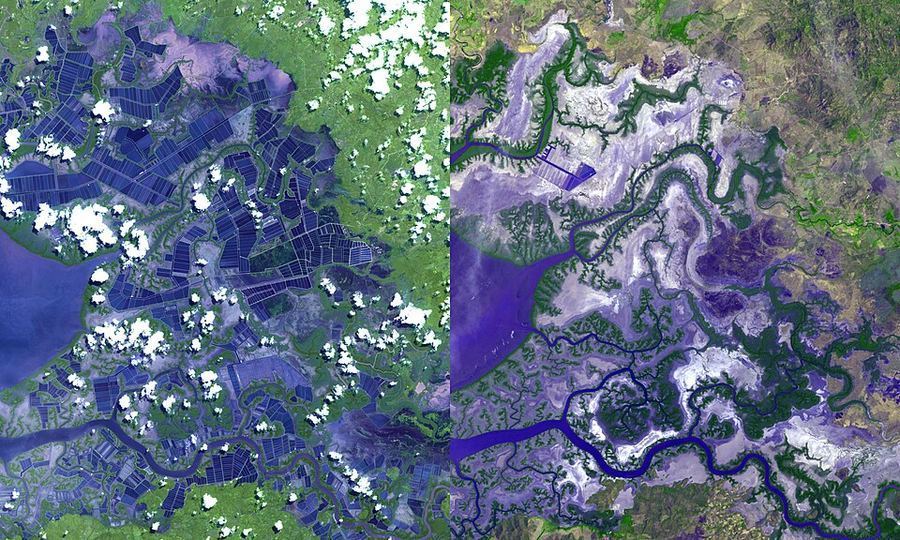
El Salvador's long-running frontier dispute with Honduras was largely settled by the International Court of Justice. The two countries fought a brief war in July 1969 — commonly called the Football War, though its causes were the expulsion of Salvadoran migrant farmers from Honduras and pressure on land — and left their boundary undefined. They submitted the whole question to a chamber of the ICJ, which delivered judgment in September 1992: it delimited the six disputed land sectors, awarded the island of El Tigre to Honduras and Meanguera and Meanguerita to El Salvador, and held that the waters of the Gulf of Fonseca are held in a condominium — joint sovereignty — by El Salvador, Honduras and Nicaragua, subject to delimitation, with a three-mile belt to each state. An El Salvadoran application in 2002 to revise the judgment on one land sector was dismissed by the Court in 2003. Demarcation on the ground has proceeded slowly, and one live disagreement remains: Conejo Island in the Gulf of Fonseca, which was not expressly allocated in 1992 and which Honduras occupies and El Salvador claims. Land boundary questions with Guatemala are settled.
Land & Border Disputes, El Salvador
NASA/METI/AIST/Japan Space Systems, and U.S./Japan ASTER Science Team / Public domain
Land, Life & Legacy

Land & Climate

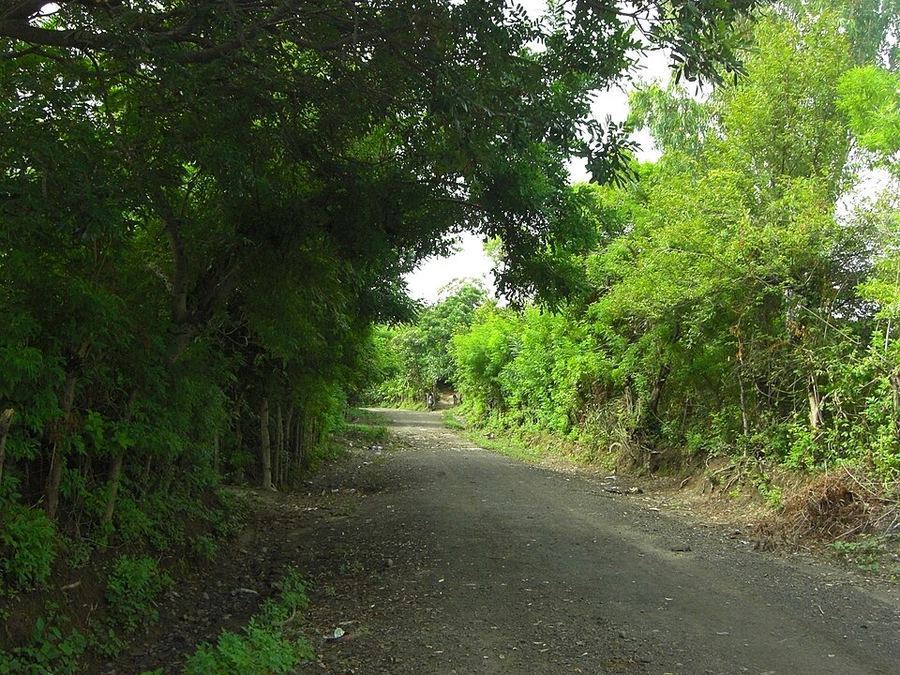
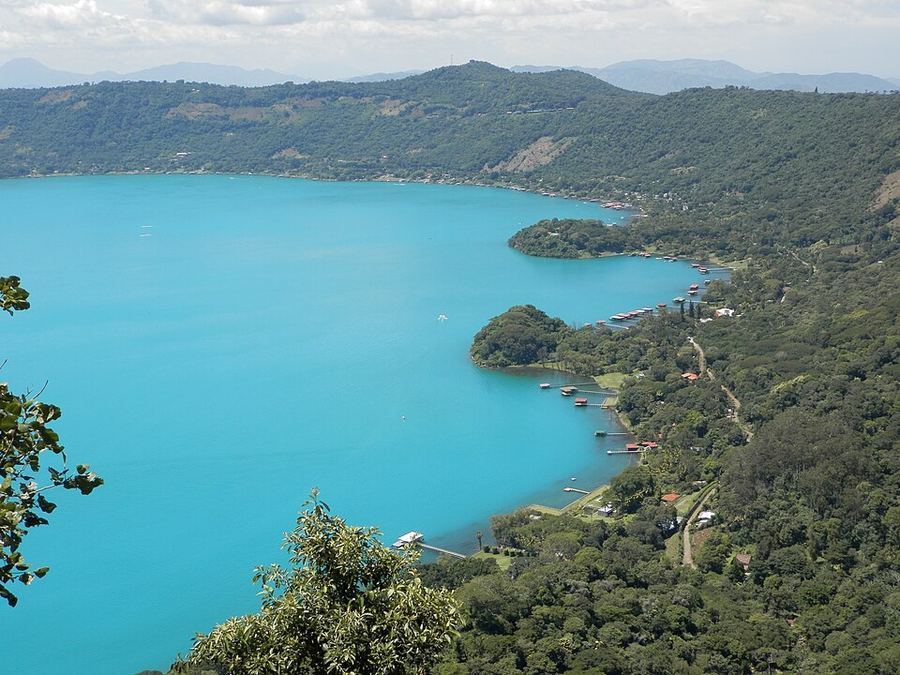
El Salvador occupies about 21,000 square kilometres — smaller than Wales, and the only Central American state without a Caribbean shore. Two roughly parallel volcanic ranges run east to west, with a central plateau between them where most of the population and all the major cities sit, and a narrow, hot coastal plain along the Pacific. The volcanoes are the defining feature and are active: Santa Ana, or Ilamatepec, is the highest at about 2,380 metres; Izalco erupted so continuously between 1770 and 1958 that sailors called it the lighthouse of the Pacific; San Salvador volcano looms directly over the capital; and the flooded calderas of Coatepeque and Ilopango are the country's largest lakes. The highest point overall is Cerro El Pital on the Honduran border at about 2,730 metres. The Lempa is the only major river, rising in Guatemala and crossing the country to the Pacific. The climate is tropical with a marked wet season from May to October and a dry season from November to April, moderated by altitude. Earthquakes, volcanic activity, landslides and Pacific storm systems are all recurrent hazards; two major earthquakes in January and February 2001 destroyed tens of thousands of homes.
Land & Climate, El Salvador
Bobjgalindo / CC BY 4.0

Entertainment

The Pacific coast is the country's principal playground and is unusually close to the capital — an hour from San Salvador puts you at La Libertad, where the point break at Punta Roca and the beaches of El Tunco and El Zonte have built a surf economy that the government has marketed heavily as Surf City. Costa del Sol and the estuary of Bahía de Jiquilisco draw families and boat trips. Inland, the Ruta de las Flores threads the coffee towns of the western highlands — Juayúa, whose weekend food festival is a fixture, Apaneca, Ataco with its murals, Nahuizalco and Salcoatitán — and the crater lake at Coatepeque and the cloud forest at Montecristo and Cerro Verde are the standard weekend escapes. Suchitoto, a preserved colonial town above the Lempa reservoir, carries the arts and heritage tourism. Football fills the rest: the domestic Primera División, and above all the European and Mexican leagues watched in bars and homes. Since the 2022 security crackdown, plazas, parks and beachfronts in neighbourhoods that were effectively closed to outsiders for two decades have returned to ordinary evening use, a change Salvadorans describe as the most tangible in daily life.
Entertainment, El Salvador
JMRAFFi / CC BY-SA 4.0

Art & Museums

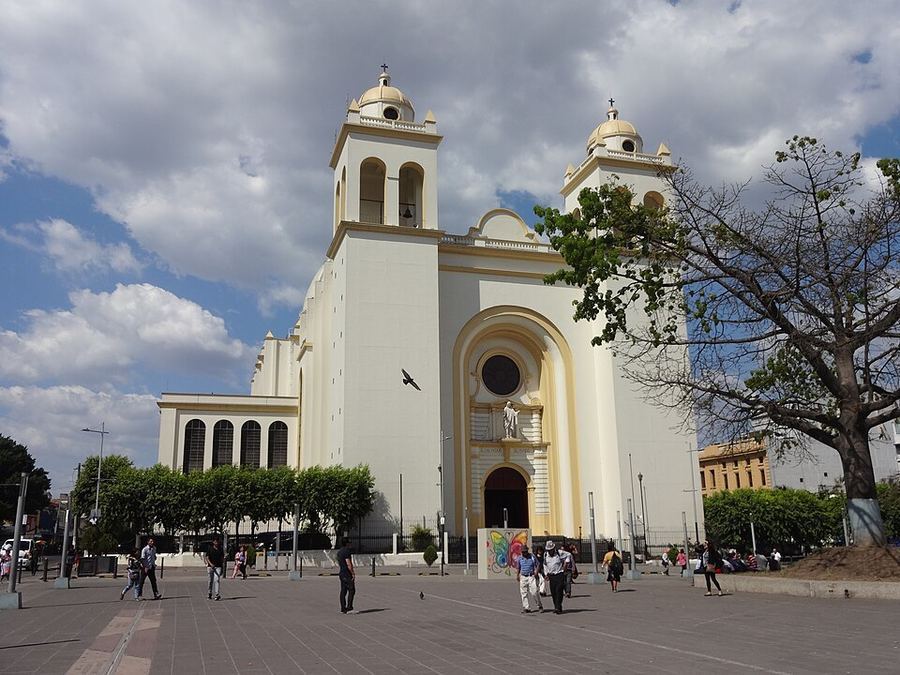
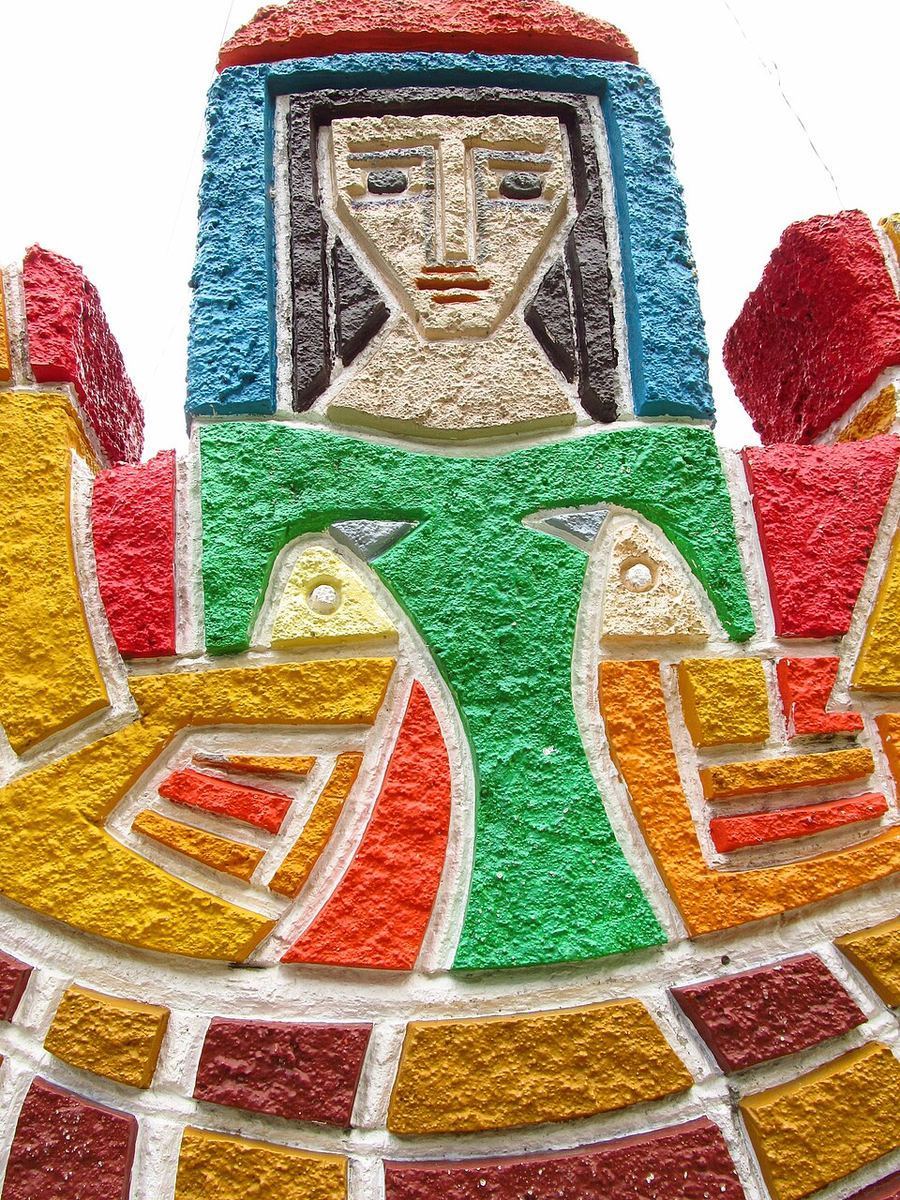
The artist most identified with El Salvador is Fernando Llort, who from the 1970s built a naïf idiom of flattened, brightly outlined figures — birds, campesinos, churches, the tree of life — out of the visual habits of the mountain town of La Palma in Chalatenango. He taught it to local families, and the resulting cooperative turned it into a national craft industry in painted wood, seeds and copinol. His mosaic covered the facade of the Metropolitan Cathedral in San Salvador from 1997 until the archdiocese removed it in 2011, an act that provoked a lasting public controversy about who owns national imagery. Earlier, Salvador Salazar Arrué — Salarrué — worked as both painter and writer, and his Cuentos de Barro set the terms for a rural, vernacular Salvadoran voice; José Mejía Vides and the Grupo de los Independientes established a modernist landscape and indigenous-subject tradition around Panchimalco in the 1930s. Craft traditions remain strong and regionally specialised: black and painted ceramics at Ilobasco, including the miniature 'sorpresas'; wicker and reed at Nahuizalco; hammock weaving at Concepción Quezaltepeque; and indigo textiles at Suchitoto.
Art & Museums, El Salvador
Claudia Herrera / CC BY-SA 3.0

Notable People

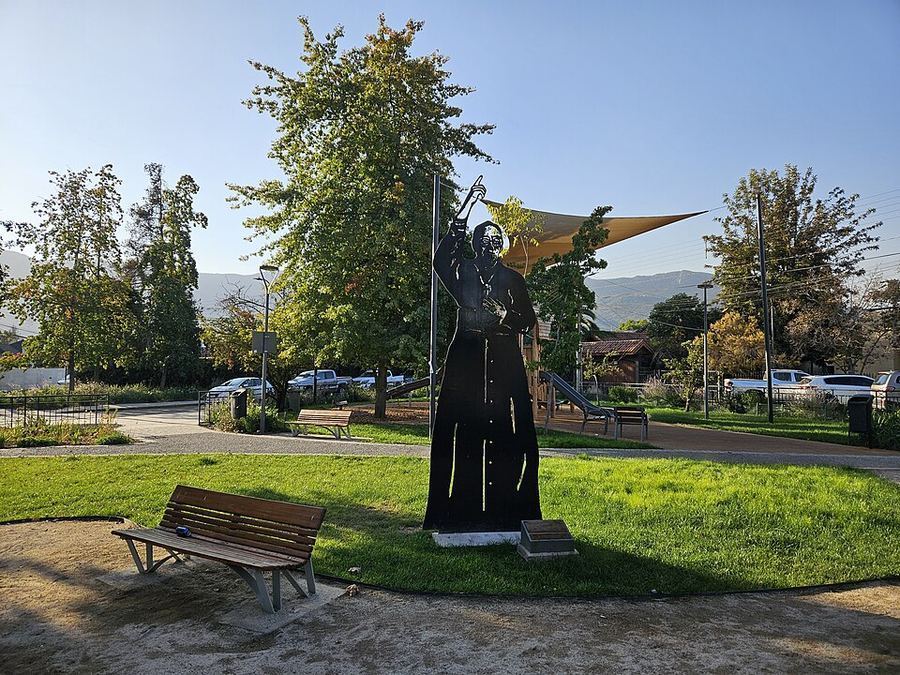
Saint Óscar Romero is the towering figure: archbishop of San Salvador from 1977, assassinated while celebrating mass in March 1980, beatified in 2015 and canonised by Pope Francis in October 2018. Farabundo Martí, the communist organiser executed after the 1932 uprising, gave his name to the guerrilla front that fought the civil war and to the political party it became. Roque Dalton, the poet of Las historias prohibidas del Pulgarcito, remains the country's most quoted literary voice and its most bitter political parable — he was killed in 1975 by his own guerrilla faction. Salarrué and Claudia Lars anchor the earlier literary canon; Prudencia Ayala, who declared a candidacy for the presidency in 1930 when women could not vote, is claimed as the founder of Salvadoran feminism. Fernando Llort defined the country's visual signature. In sport, Jorge 'Mágico' González — a dribbler who spent most of his club career at Cádiz in Spain and played at the 1982 World Cup — is regarded without serious argument as the greatest Salvadoran footballer. Nayib Bukele, president since 2019, is the most internationally visible living Salvadoran.
Notable People, El Salvador
TomasVial / CC0

Inventions & Breakthroughs

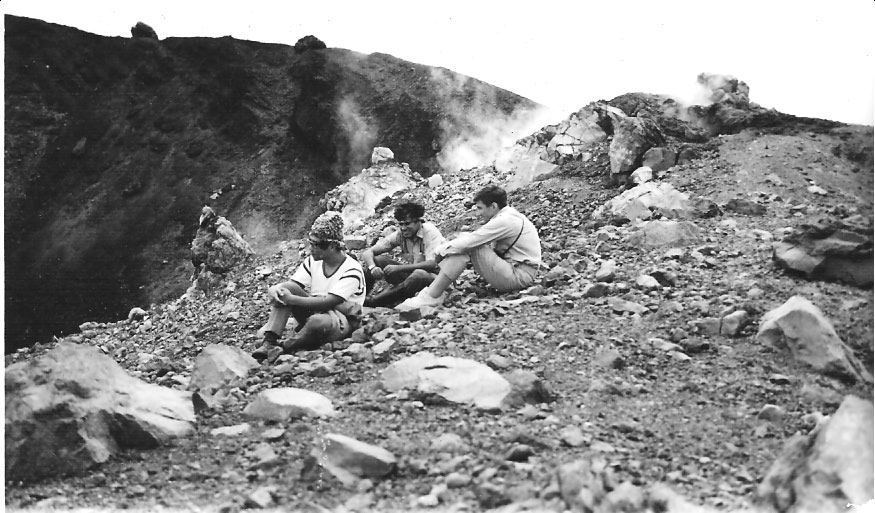
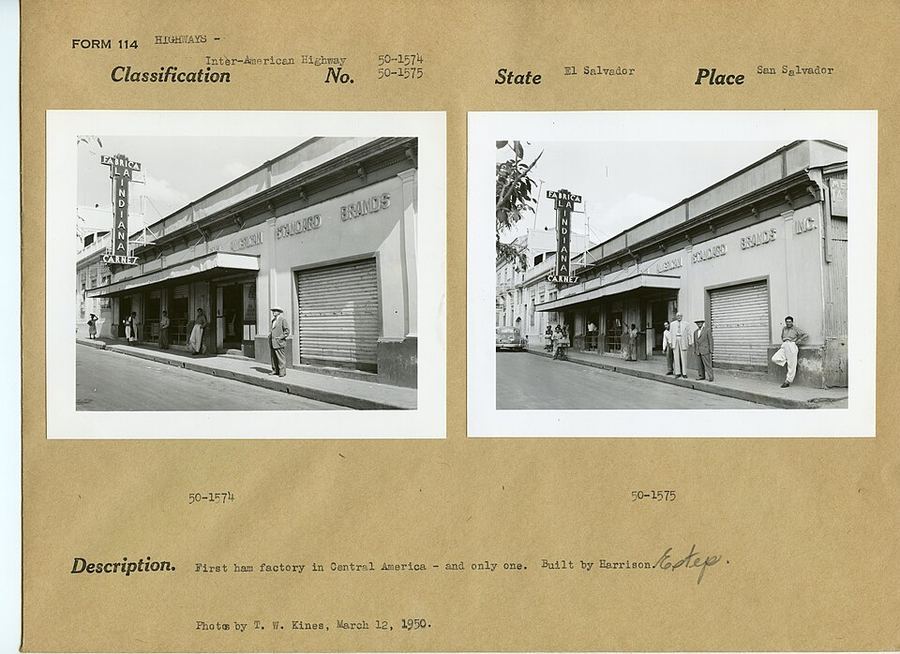
El Salvador is a small economy with little patent output, and its genuine contributions are agricultural, culinary and craft technologies rather than devices. The most historically consequential was the processing of añil: colonial obrajes on the Salvadoran highlands developed the fermentation, beating and settling sequence that turned indigo plants into cakes of dye, and for two centuries this was among the most valuable commodities crossing the Atlantic from Central America. The technique survives, revived as an artisanal industry around Suchitoto. In coffee, Salvadoran growers were central to the identification and propagation of the Bourbon and, especially, the Pacamara variety — a cross of Pacas and Maragogipe developed at the national coffee research institute in the 1950s and now grown across Central America for its large bean and distinctive cup. On the culinary side the pupusa is a genuinely local invention of long standing, and curtido, its fermented cabbage accompaniment, is a preservation method as much as a condiment. Contemporary industry is dominated by garment maquila assembly for the North American market, which builds few original products, and by geothermal engineering, where the country's utilities have accumulated real technical depth.
Inventions & Breakthroughs, El Salvador
Department of Commerce. Bureau of Public Roads. 8/20/1949-4/1/1967 / Public domain

Science & Technology

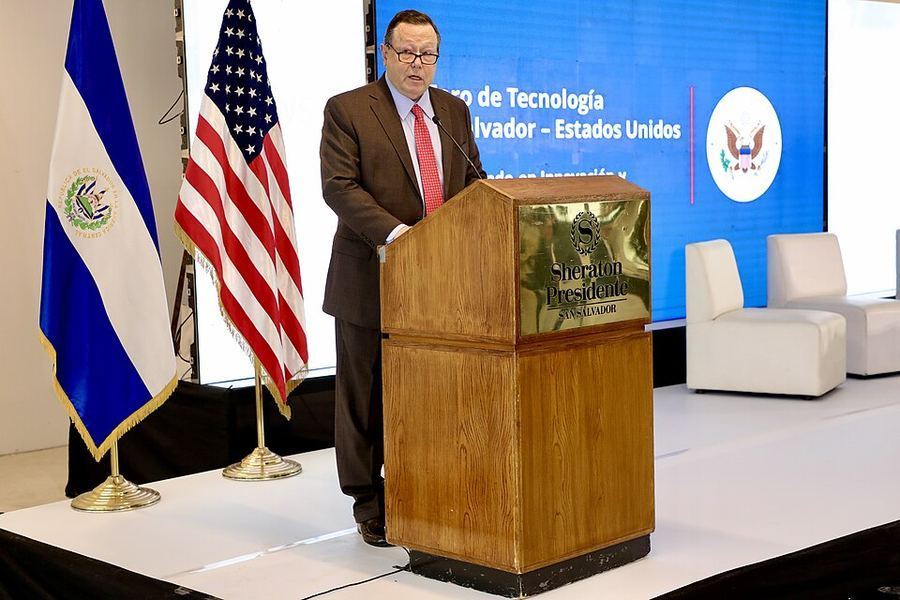
El Salvador's most distinctive technical asset is under its feet. The same volcanic geology that makes the country hazardous also makes it one of the world's leading users of geothermal electricity: the Ahuachapán field, operating since the mid-1970s, and the later Berlín field in Usulután together supply roughly a fifth to a quarter of national generation, a share exceeded by very few countries, and the state utility's engineers have accumulated genuine expertise in reservoir management and binary-cycle plant. That resource underpins the government's more publicised experiment. In September 2021 El Salvador became the first country in the world to adopt bitcoin as legal tender alongside the US dollar, launching the state Chivo wallet, announcing a geothermally powered mining operation and a projected 'Bitcoin City'. Adoption by ordinary Salvadorans has been limited and the International Monetary Fund pressed for the legal-tender mandate to be narrowed, which the government did in 2025 while retaining its bitcoin holdings. Beyond this, scientific capacity is concentrated in volcano and seismic monitoring through the environment ministry's observatory, in tropical agronomy at the national coffee institute, and in the universities' small research programmes.
Science & Technology, El Salvador
US Embassy San Salvador / Public domain
On The World Stage
Champions of El Salvador

Champions & Defining Moments

El Salvador has reached the FIFA World Cup twice, in Mexico in 1970 and in Spain in 1982, and both campaigns ended without a point. The 1982 tournament produced the record the country cannot escape: a 10–1 defeat to Hungary in Elche, still the largest margin of victory in World Cup finals history, though the same squad contained Jorge 'Mágico' González, whose performances against Belgium and Argentina made his reputation in Europe. The qualifying series for the 1970 finals was entangled with the brief June–July 1969 war with Honduras, which is still widely, if misleadingly, called the Football War. Since then the national team has been a Gold Cup regular without progressing far. At the Olympic Games, where El Salvador has competed since 1968, no Salvadoran has won a medal. The country's clearest international sporting success is in surfing, hosting World Surfing Games at La Libertad and using the sport as national branding; and in 2023 San Salvador staged the Central American and Caribbean Games, the largest multi-sport event the country has hosted.

JMRAFFi / CC BY-SA 4.0
Government & Leadership

Presidential republic

Seat of the executive

Executive

Nayib Armando Bukele Ortez — President

In office since 1 June 2019

JVC3ETA Not Credited / Public domain
The legislature

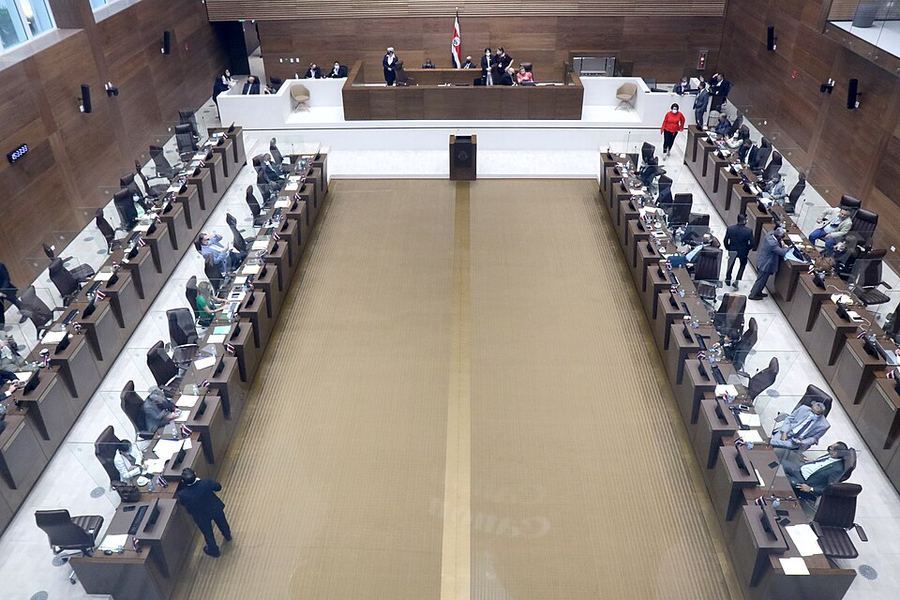
Legislative Assembly (Asamblea legislativa)

Unicameral

Composition — N majority

N 54 · Other 6

Last election 2/4/2024 · 31.7% women

The highest court
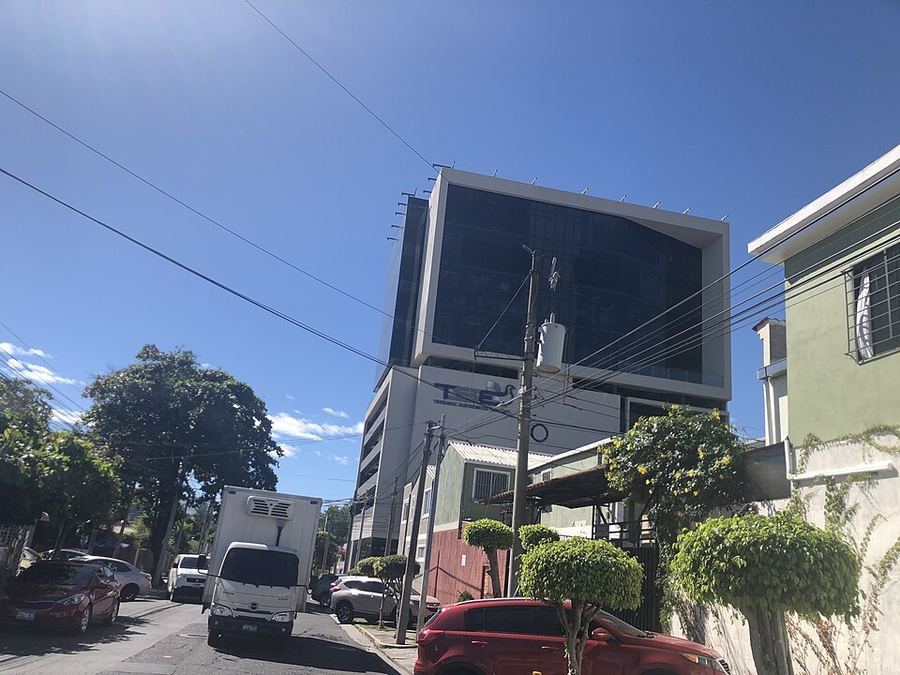
The highest court — PizzaKing13 / CC BY-SA 4.0

Supreme Court or Corte Suprema de Justicia

consists of 15 judges, including its president, and 15 substitute judges organized into Constitutional, Civil, Penal, and Administrative Conflict Chambers

Economy, Trade & Government

Currency & GDP

GDP (PPP): $73.961 billion (2024 est.)

Per capita: $11,700 (2024 est.)

Exports

$11.586 billion (2024 est.)

garments, plastic products, electrical capacitors, raw sugar, toilet paper (2023)

Partners: USA 36%, Guatemala 17%, Honduras 15%, Nicaragua 8%, Costa Rica 5% (2023)

Imports

$18.354 billion (2024 est.)

refined petroleum, natural gas, garments, packaged medicine, plastics (2023)

Partners: USA 28%, China 15%, Guatemala 11%, Mexico 8%, Honduras 5% (2023)

Government

Type: presidential republic

Independence: 15 September 1821 (from Spain)

Terrain → Where People Live

How mountains, coasts, and rivers shape settlement (LandScan).

Coming — data

Migration & Ethnic Settlement

Where groups settled and how people move (GeoEPR + UNHCR).

Coming — data

Universities

Notable institutions, mappable as points.

Coming — data
Economy & government facts: CIA World Factbook (public domain), via OpenFactBook / factbook.json.
Every fact and narrative claim will carry a visible source citation. Data-driven sections light up automatically wherever HERA has coverage.