History
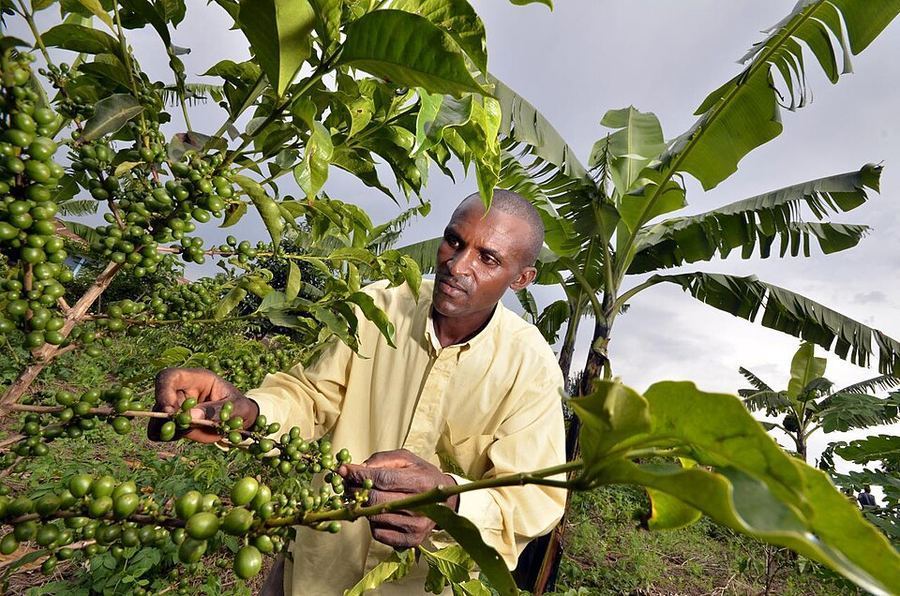
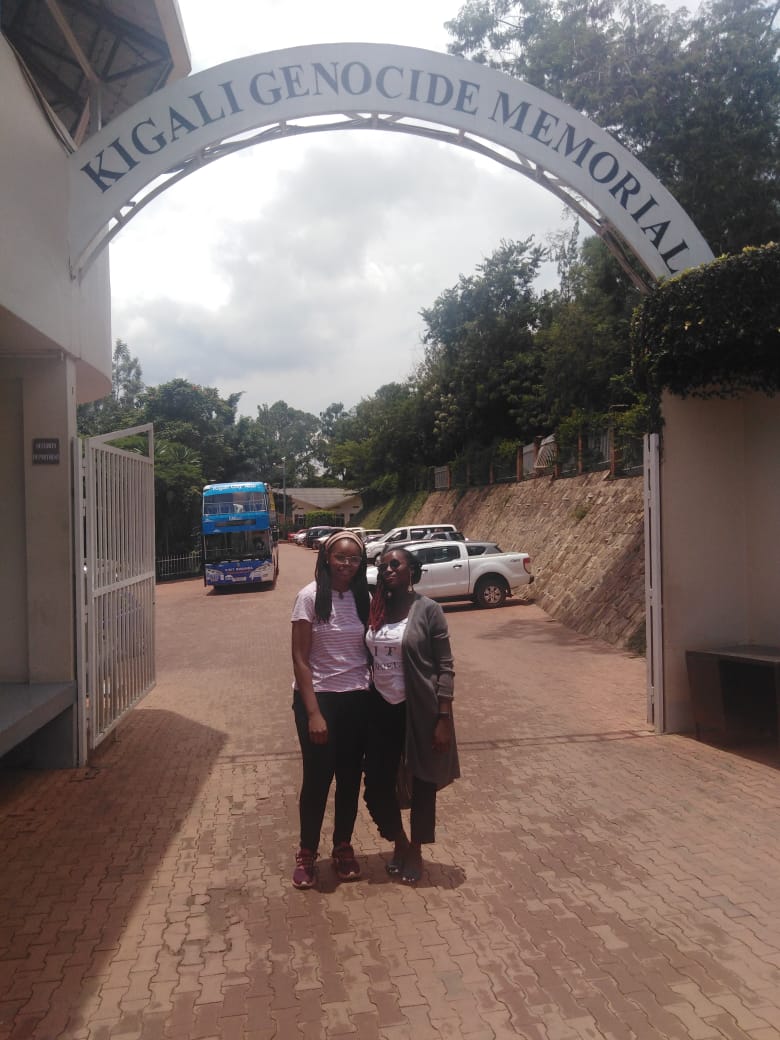
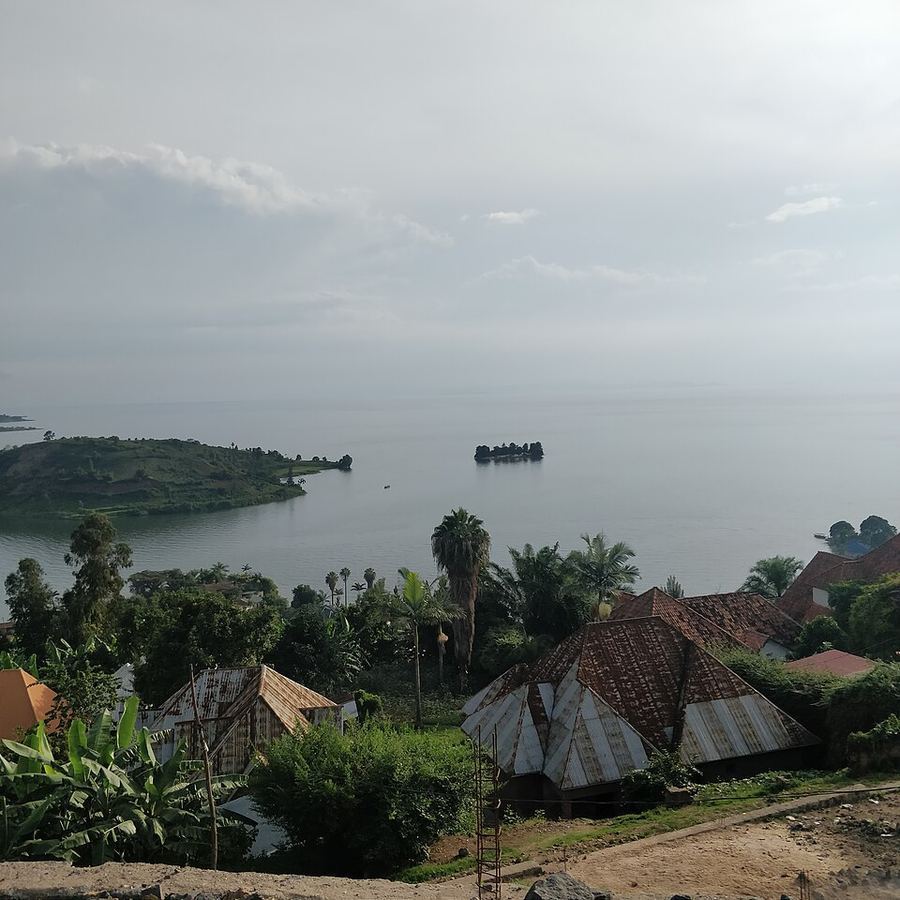
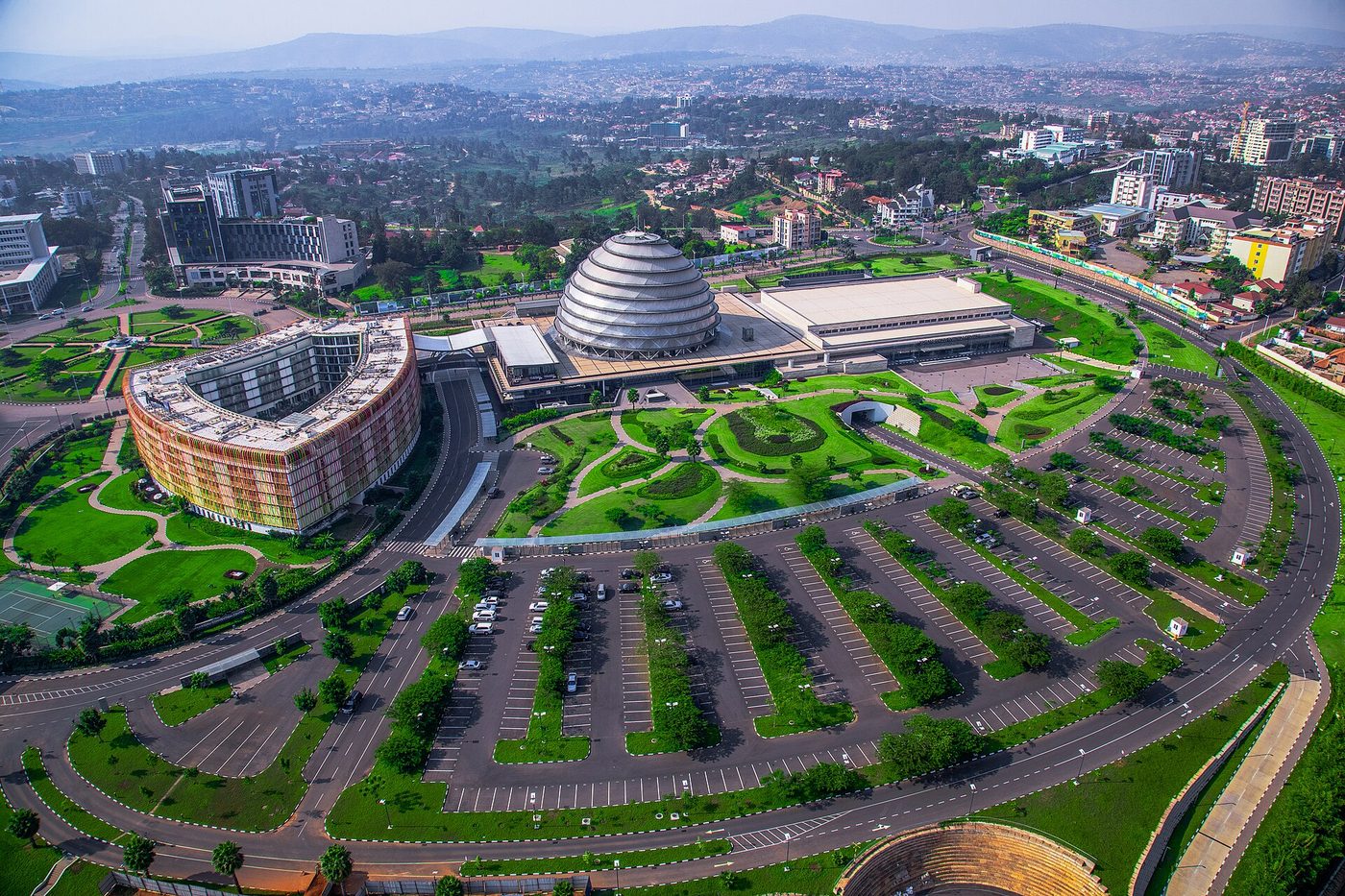
Rwanda is a small, densely populated, landlocked presidential republic in the Great Lakes region of east-central Africa, bordered by Uganda, Tanzania, Burundi and the Democratic Republic of the Congo. About 13.6 million people live in roughly 26,000 square kilometres of steep, cultivated hills, which give the country its byname, the Land of a Thousand Hills. Kigali, the capital, sits on ridges in the centre of the country. Rwanda is unusual in Africa for linguistic unity: Kinyarwanda is spoken as a universal vernacular by essentially the whole population, and it shares official status with French, English and Swahili. The population is overwhelmingly Christian, with Catholics at about 40% and Pentecostal, Protestant and Adventist churches accounting for most of the rest. Rwanda's modern history is dominated by the 1994 genocide against the Tutsi and by the reconstruction that followed under a government led since 2000 by Paul Kagame. The economy is low-income and largely agricultural but has grown quickly, exporting gold, rare-earth ores, coffee and tea, with the United Arab Emirates as its dominant export destination. Rwanda has invested heavily in services, conservation tourism and its reputation as a clean, orderly and administratively capable state.
Kigali's urban core is home to about 1,621,760 people.
That's bigger than Amsterdam — each a great world city in its own right.
Among the world's megacities, though, it's one of many — the giants of Asia and Latin America run larger still:
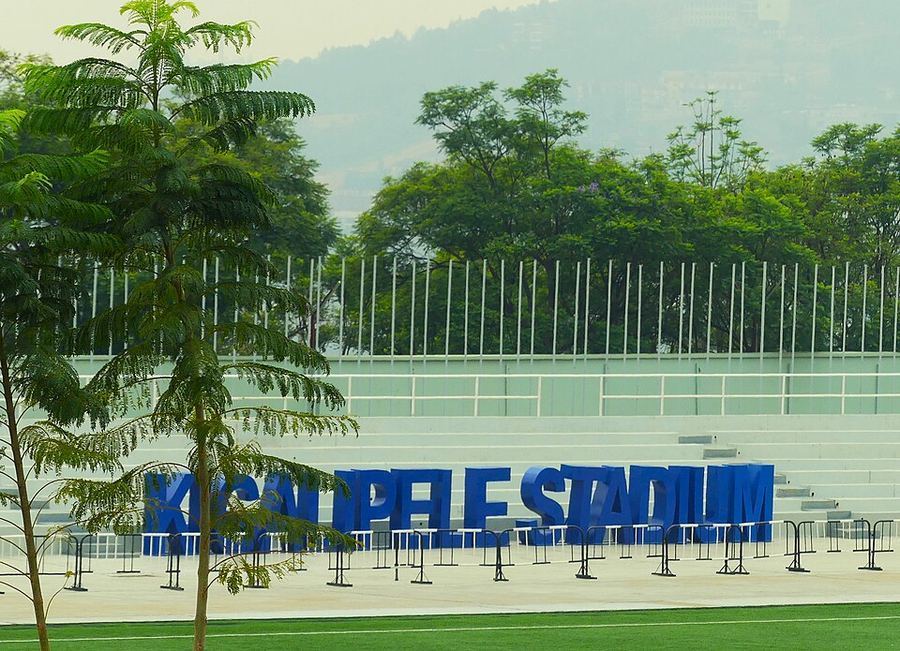
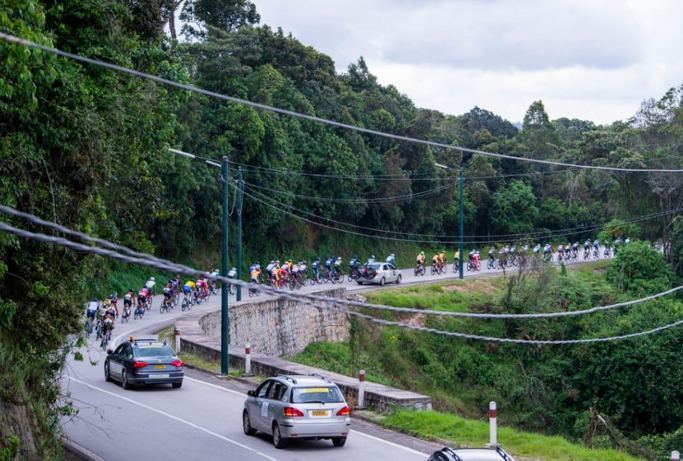
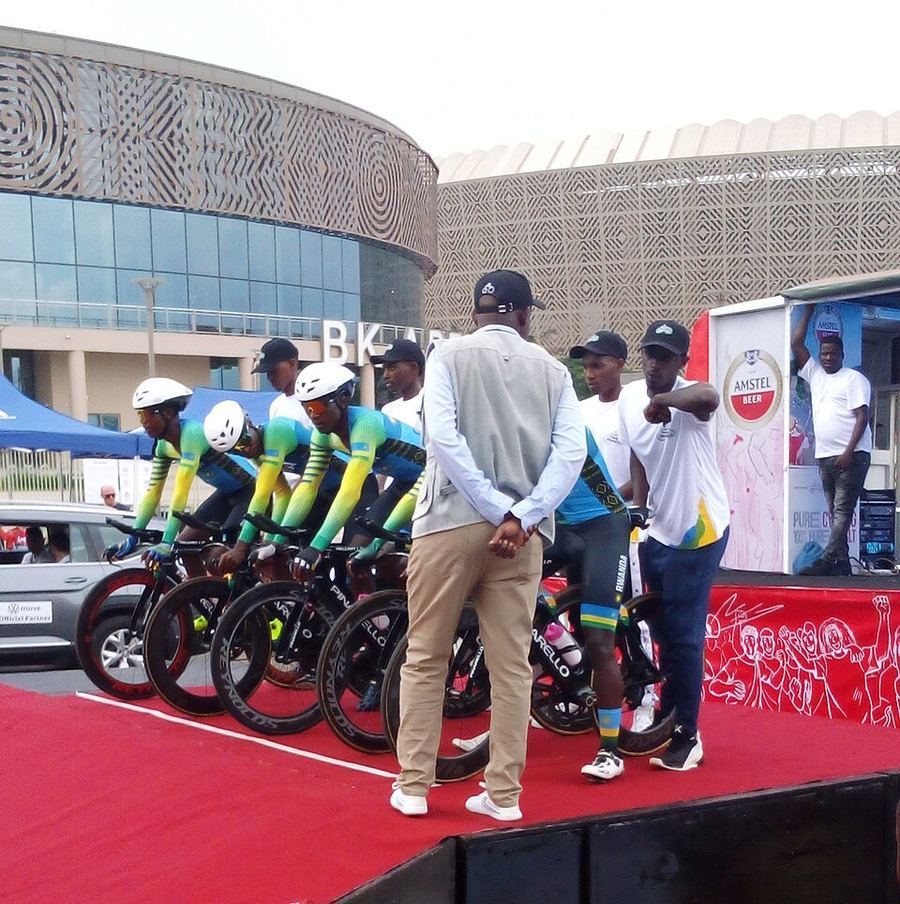
Rwanda has used sport deliberately as an instrument of national branding. From 2018 the Visit Rwanda campaign began buying sleeve and stadium sponsorship with major European football clubs, starting with Arsenal and followed by Paris Saint-Germain and Bayern Munich, putting the country's name in front of global television audiences and drawing both praise for ambition and criticism over the cost. In cycling, Kigali hosted the UCI Road World Championships in 2025 — the first time the sport's premier annual championship had been staged anywhere in Africa — with courses climbing the city's ridges. Basketball has been the other pillar: the BK Arena in Kigali has been a central venue for the Basketball Africa League, the NBA-backed continental competition launched in 2021, hosting group stages and finals. Rwanda competes at the Summer Olympics through its national Olympic committee and at the Commonwealth Games, with its athletes concentrated in distance running, cycling and swimming, and it regularly bids to host continental federation events and congresses as part of a broader conference-tourism strategy.
Presidential republic
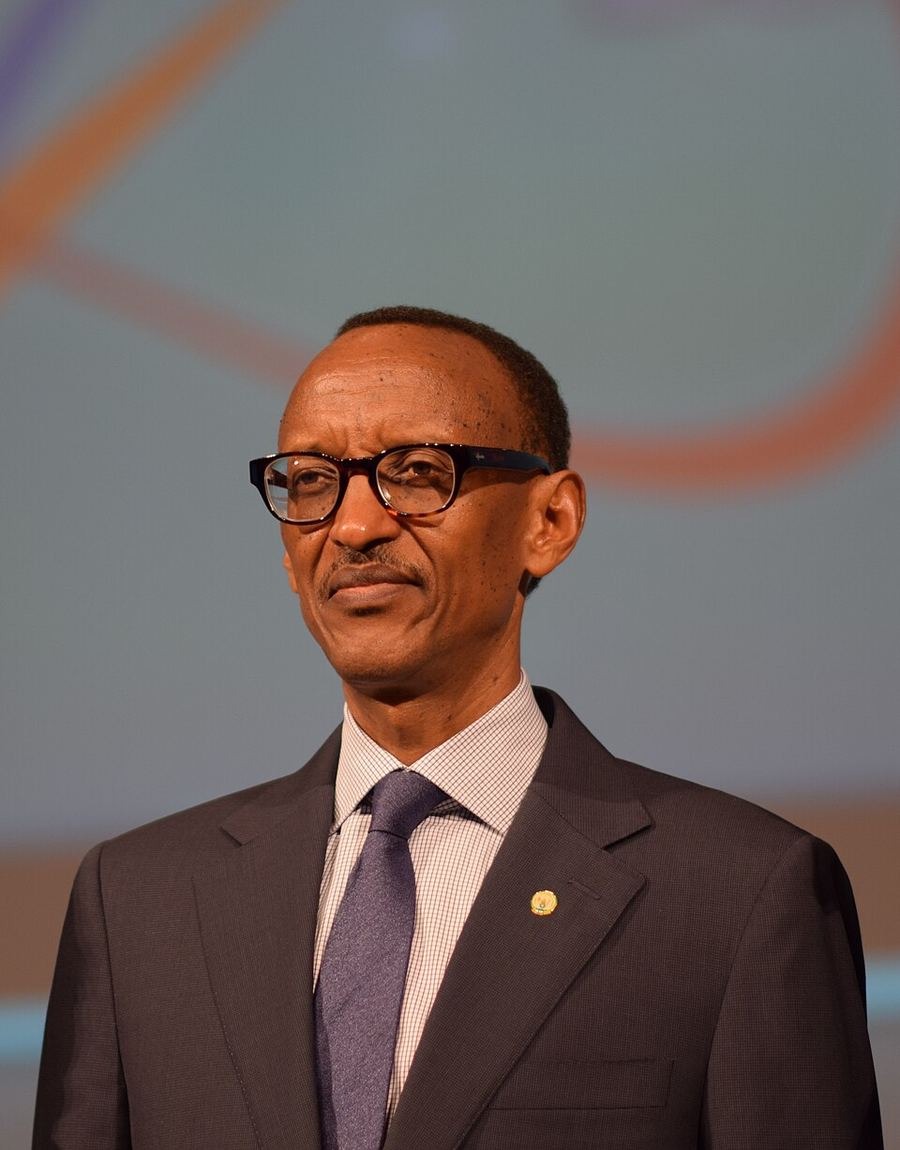
Paul Kagame — PresidentRPF
In office since 22 April 2000
Justin Nsengiyumva — Prime Minister
Bicameral
Senate (Sénat) — 26 seats
Last election 9/16/2024 to 9/16/2024 · 53.8% women
Chamber of Deputies (Chambre des Députés) — 80 seats
Last election 7/15/2024 to 7/16/2024 · 63.8% women
consists of the chief and deputy chief justices and 5 judges; normally organized into 3-judge panels); High Court (consists of the court president, vice president, and a minimum of 24 judges and organized into 5 chambers
Rwanda Franc — RWF (None)
GDP (PPP): $46.543 billion (2024 est.)
Per capita: $3,300 (2024 est.)
$3.509 billion (2023 est.)
gold, rare earth ores, coffee, tea, tin ores (2023)
Partners: UAE 66%, China 10%, USA 3%, Kenya 3%, Thailand 2% (2023)
$5.783 billion (2023 est.)
broadcasting equipment, fish, corn, packaged medicine, plastic products (2023)
Partners: China 19%, Kenya 14%, Uganda 13%, Tanzania 9%, UAE 7% (2023)
Type: presidential republic
Independence: 1 July 1962 (from Belgium-administered UN trusteeship)
How mountains, coasts, and rivers shape settlement (LandScan).
Coming — dataWhere groups settled and how people move (GeoEPR + UNHCR).
Coming — dataNotable institutions, mappable as points.
Coming — data