History
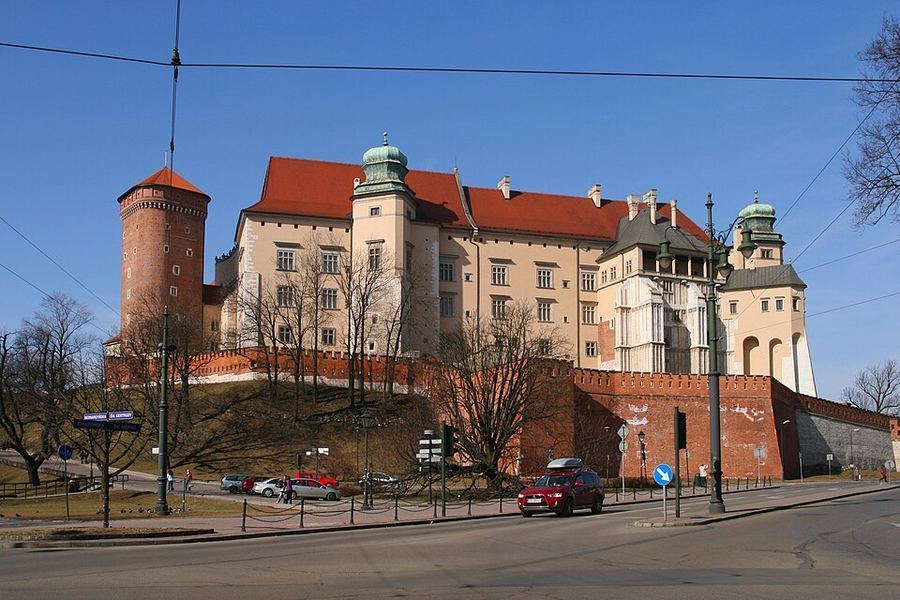
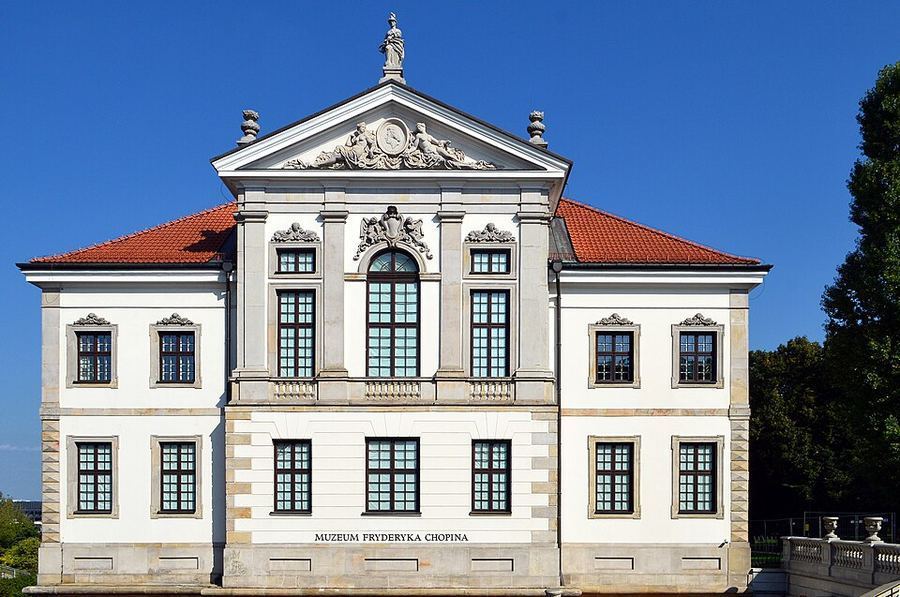
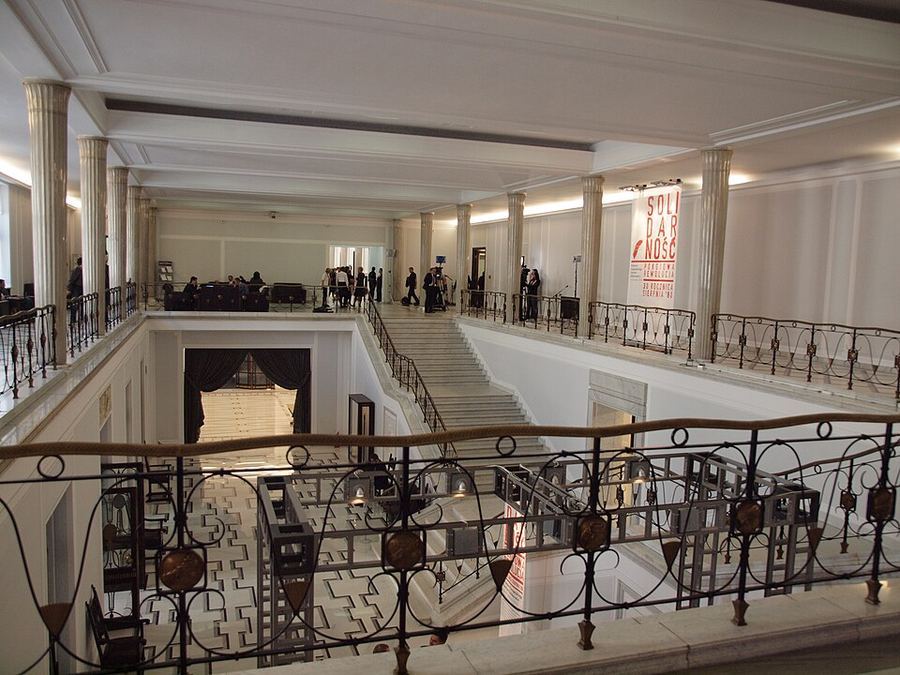
Poland occupies the great flat corridor of the North European Plain — a geography that made it Europe's battleground for centuries and makes it NATO's hinge today. Its roughly 38 million people live in a parliamentary republic whose capital, Warsaw, was rebuilt brick by brick from wartime rubble so faithfully that the reconstruction itself earned UNESCO recognition. The national story runs from the baptism of 966, through the vast Polish-Lithuanian Commonwealth of 1569, to complete erasure from the map for 123 years, to rebirth on 11 November 1918 — and then to the Solidarity movement that cracked the Soviet bloc open. Since shedding communism in 1989, Poland has staged one of the great economic transformations of modern times: a $1.6 trillion economy at purchasing power parity, roughly $45,100 per person, which grew 3.6 percent in 2025 — among the fastest rates in the European Union — exporting vehicle parts, batteries, and cars, mostly to Germany. Politics in 2026 is a standoff between Prime Minister Donald Tusk's pro-European coalition government and President Karol Nawrocki, the conservative elected in 2025, whose vetoes the coalition cannot override. Society is aging (median age 43.4) and shrinking — the statistics office counted 37.3 million registered residents at the end of 2025, down about 156,000 in a year — and historically homogeneous, about 97 percent ethnic Polish and 70.7 percent Roman Catholic, yet Poland now hosts about a million Ukrainian refugees and a foreign-born workforce without precedent in its postwar history.
Warsaw's urban core is home to about 2,022,382 people.
That's bigger than Amsterdam — each a great world city in its own right.
Among the world's megacities, though, it's one of many — the giants of Asia and Latin America run larger still:
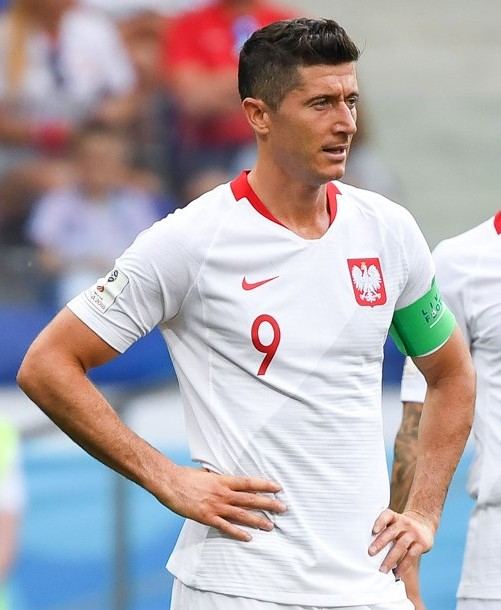
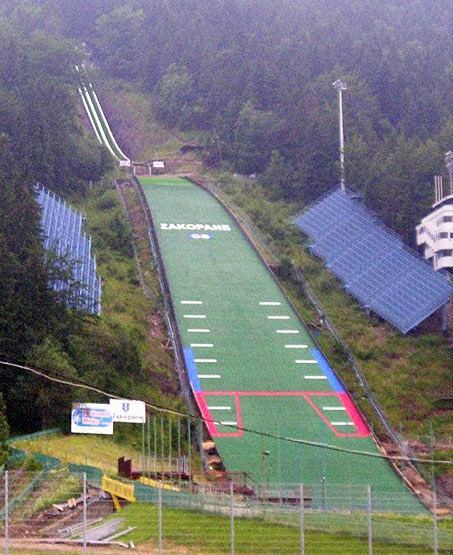
Poland's Olympic backbone is track and field: Irena Szewińska won seven medals across five consecutive Games from 1964 to 1980 and remains the only sprinter, male or female, to have held world records at 100, 200, and 400 meters, while hammer thrower Anita Włodarczyk — the first woman to throw beyond 80 meters — collected three Olympic titles. Winter fame belongs to ski jumping: Adam Małysz's four overall World Cup crowns made jumping Sundays a national institution, Kamil Stoch added three Olympic golds, and at Milan-Cortina 2026 Kacper Tomasiak won three of Poland's four medals (three silver, one bronze overall) — the country's third-best Winter Games tally. Footballers took Olympic gold in 1972 and finished third at the 1974 and 1982 World Cups; Robert Lewandowski was named FIFA's Best Men's Player in both 2020 and 2021, but Poland missed the 2026 World Cup after a 3-2 play-off final defeat to Sweden. The men's volleyball team has won three world championships (1974, 2014, 2018), took silver at Paris 2024 and bronze at the 2025 Worlds, and in 2026 won both the Nations League and the European Championship. Justyna Kowalczyk mastered cross-country skiing, motorcycle speedway packs provincial stadiums, and Iga Świątek's six Grand Slam titles have made tennis a second national sport.
Parliamentary republic
Karol Nawrocki — PresidentPIS
In office since 6 August 2025
Donald Tusk — Prime Minister
Bicameral
Senate (Senat) — KO largest party
KO 41 · PiS 34 · The Third Way 11 · Nowa Lewica 9 · Independents 5
Last election 10/15/2023 · 19% women
Sejm — PiS largest party
PiS 194 · KO 157 · The Third Way 65 · Nowa Lewica 26 · Other 18
Last election 10/15/2023 · 31.3% women
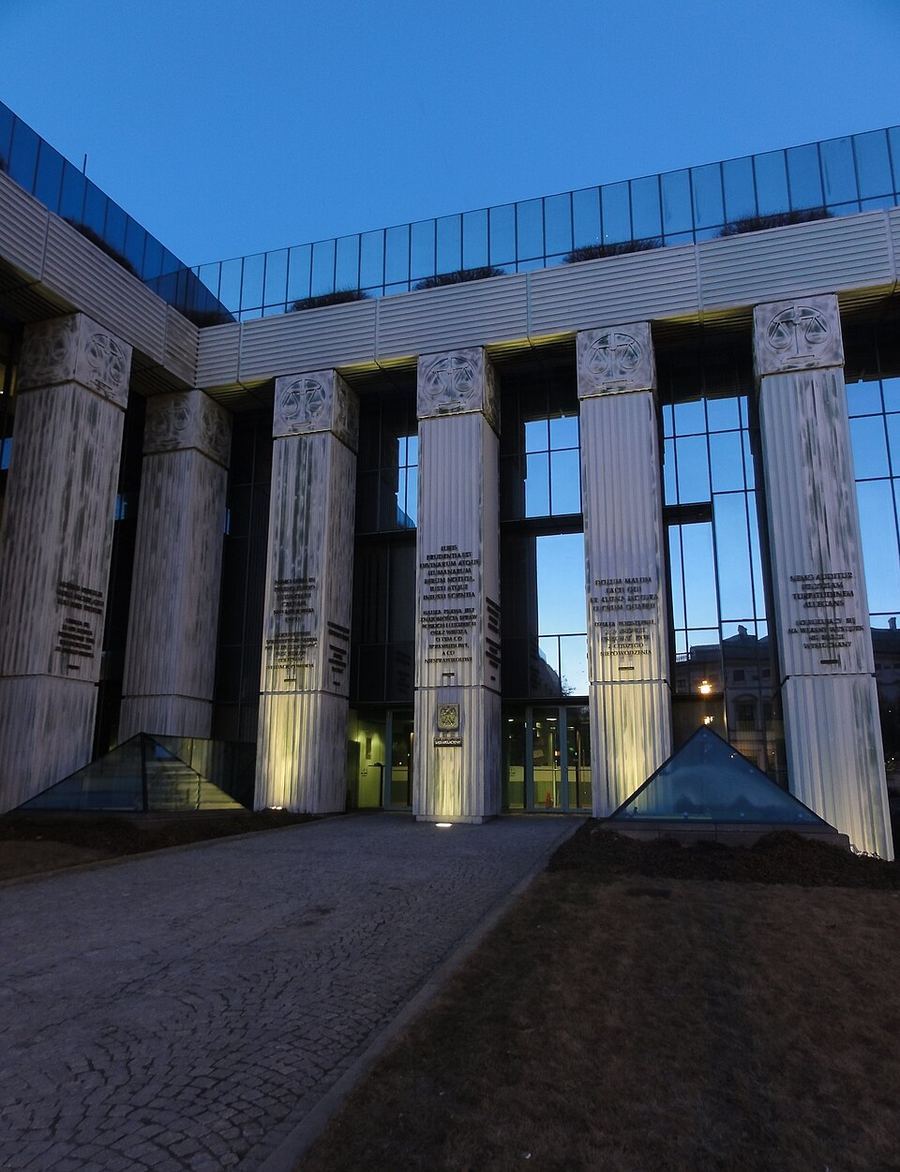
Consists of the first president of the Supreme Court and 120 justices organized in criminal, civil, labor and social insurance, and extraordinary appeals and public affairs and disciplinary chambers); Constitutional Tribunal (consists of 15 judges, including the court president and vice president
Zloty — PLN (zł)
GDP (PPP): $1.649 trillion (2024 est.) (in 2021 dollars)
Per capita: $45,100 (2024 est.) (in 2021 dollars)
$478.579 billion (2024 est.)
vehicle parts/accessories, electric batteries, plastic products, cars, seats (2023)
Partners: Germany 25%, UK 6%, Czechia 6%, France 6%, Italy 5% (2023)
$441.945 billion (2024 est.)
crude petroleum, cars, garments, vehicle parts/accessories, plastic products (2023)
Partners: Germany 22%, China 12%, Italy 5%, Netherlands 4%, USA 4% (2023)
Type: parliamentary republic
Independence: 11 November 1918 (republic proclaimed); notable earlier dates: 14 April 966 (adoption of Christianity, traditional founding date), 1 July 1569 (Polish-Lithuanian Commonwealth created)
How mountains, coasts, and rivers shape settlement (LandScan).
Not yet available for this countryWhere groups settled and how people move (GeoEPR + UNHCR).
Not yet available for this countryNotable institutions, mappable as points.
Not yet available for this country