History
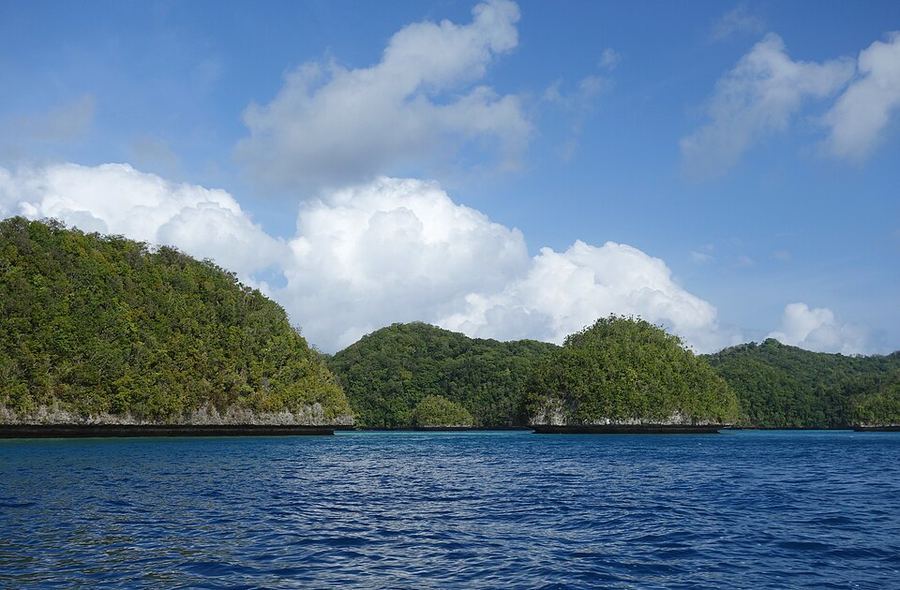
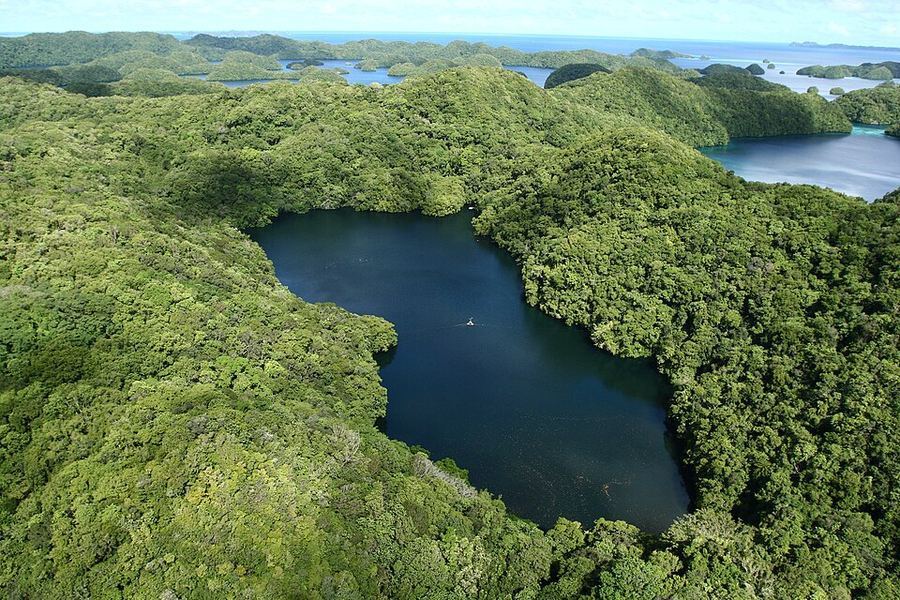
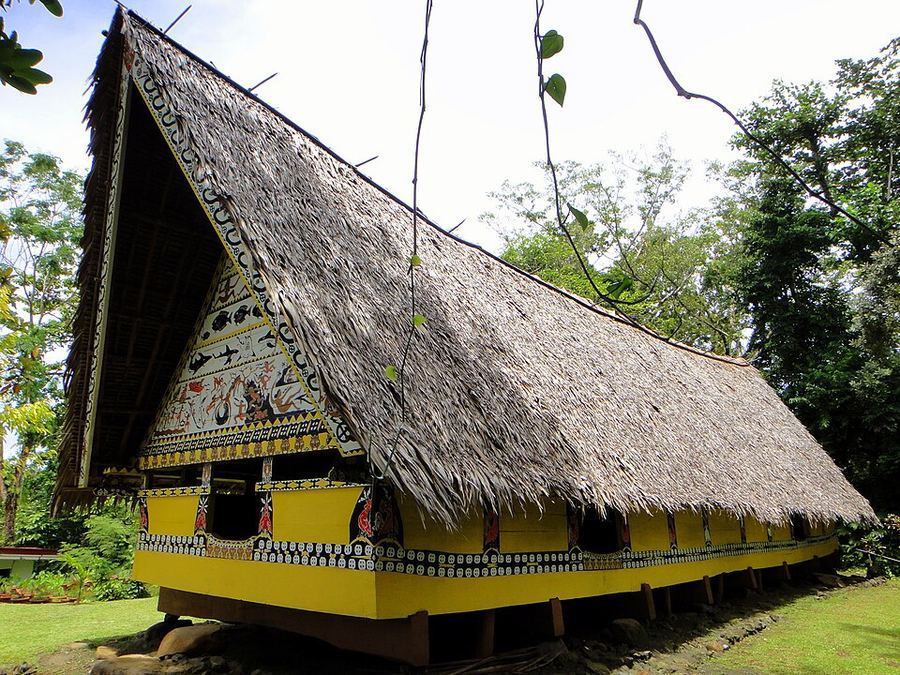
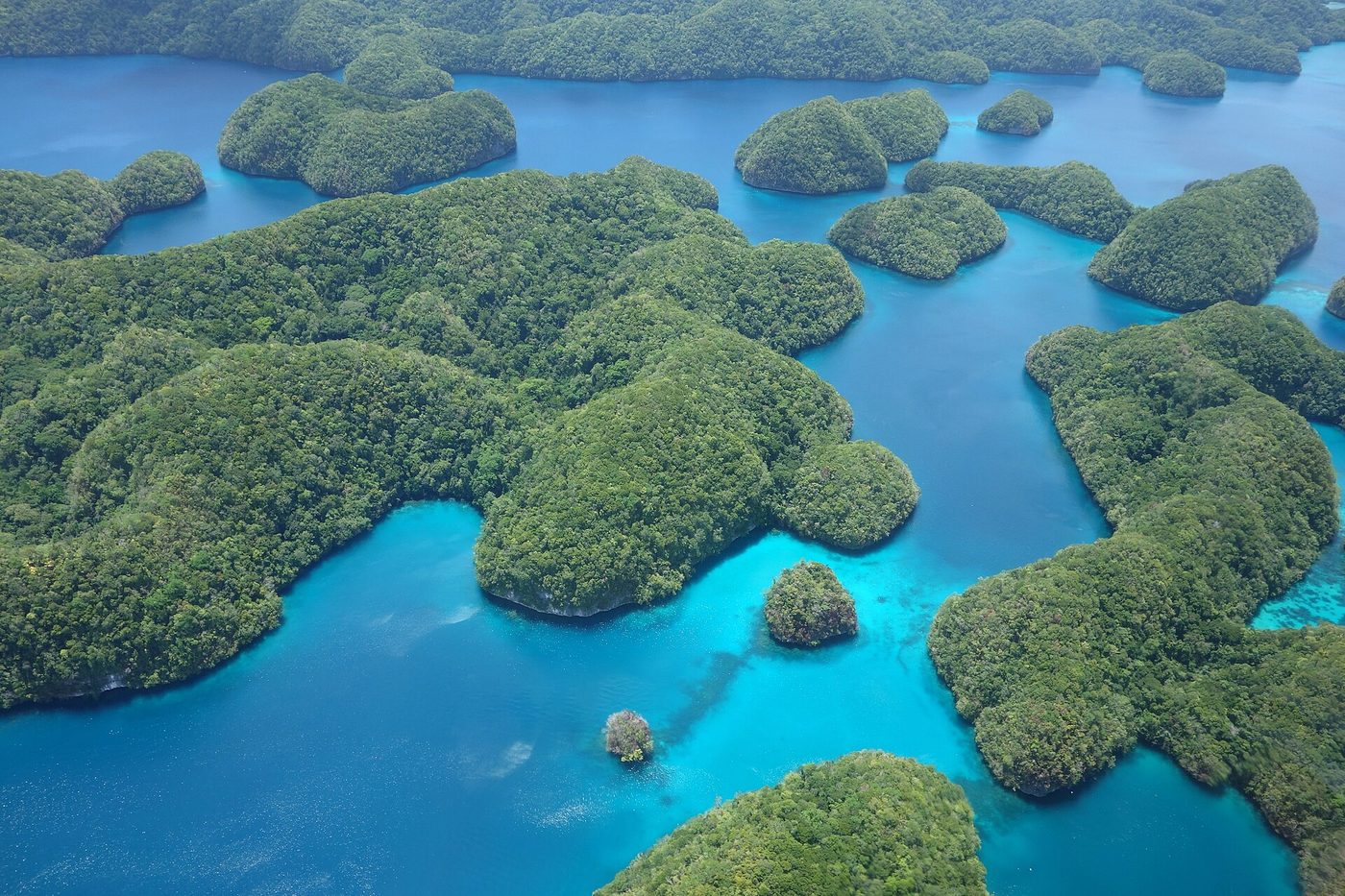
Palau is a presidential republic of about 22,000 people in the western Pacific, an archipelago of more than 300 islands at the far western end of the Caroline chain, roughly 900 kilometres east of the Philippines. It is one of the world's smallest sovereign states by population and one of the largest by the ocean it governs: its exclusive economic zone covers some 600,000 square kilometres, and in 2015 it declared a national marine sanctuary closing the great majority of that water to commercial fishing. Independence came on 1 October 1994, at the end of the United Nations trusteeship the United States had administered since the Second World War, under a Compact of Free Association that gives the United States defence responsibility and Palauans the right to live and work there. The capital moved in 2006 from Koror, still the commercial centre and home to most of the population, to Ngerulmud on the larger island of Babeldaob. Palauans make up 70.6% of residents and Asian workers, largely Filipino, about a quarter. Palauan and English are official, Catholicism is the largest denomination, and the indigenous Modekngei faith persists. Tourism, built on diving, and fishing licences dominate an economy of about $280 million.
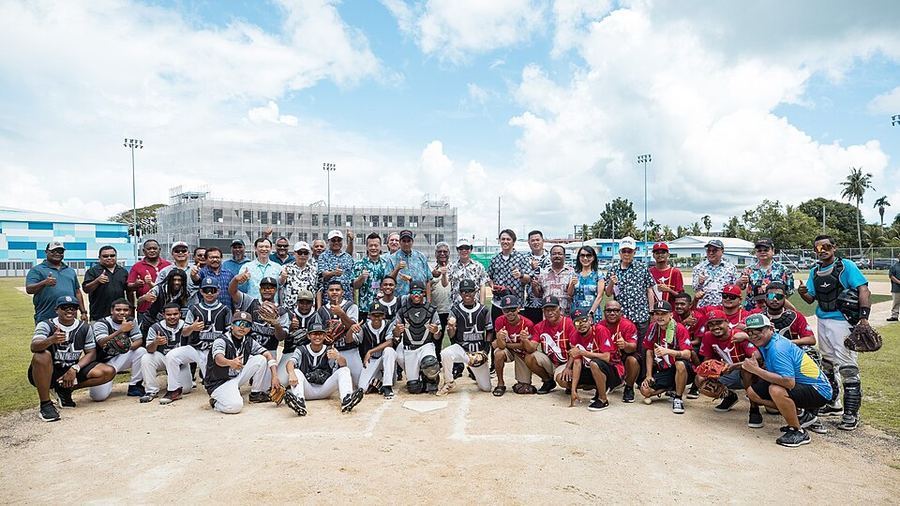
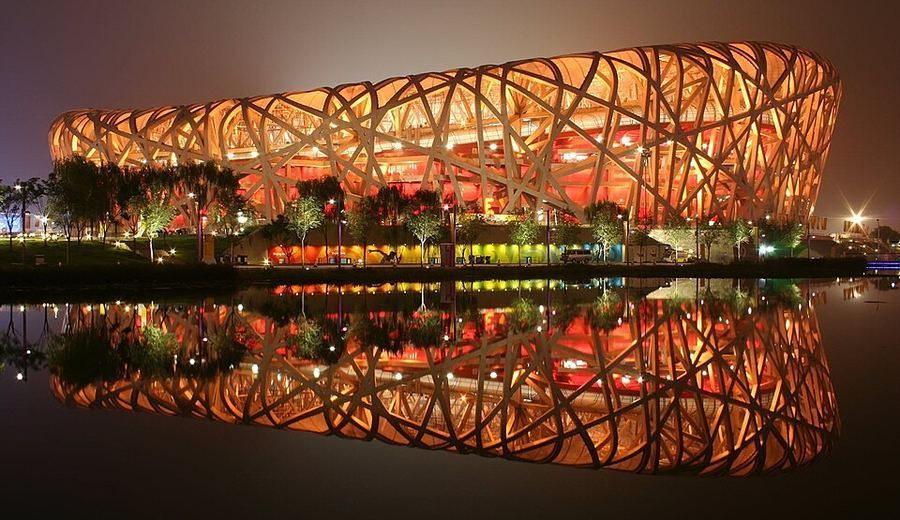
Palau joined the International Olympic Committee in 1999 and has competed at every Summer Olympic Games since Sydney in 2000, sending small teams — usually a handful of athletes in swimming, athletics and wrestling or weightlifting — under the flag of one of the least populous nations in the movement. It has not won an Olympic medal, and its participation functions as a statement of sovereignty as much as a sporting entry; the flagbearer's walk at the opening ceremony is watched at home. Palau competes in the Pacific Games, the Micronesian Games and the Oceania regional championships, which are the arenas where its athletes are genuinely competitive and where the country has taken medals in baseball, athletics and swimming. It is a member of the Oceania National Olympic Committees and of regional federations in athletics and swimming, though it is not a FIFA member and its football activity is limited. Palau also has an international profile in ocean governance that intersects with sport and tourism: its marine sanctuary and the Palau Pledge are frequently presented at United Nations ocean conferences, where the country's diplomatic visibility far exceeds its size.
Presidential republic in free association with the US
Surangel Whipps, Jr. — President
In office since 21 January 2021
Bicameral
Senate — 15 seats
Last election 11/5/2024 · 13.3% women
House of Delegates — 16 seats
Last election 11/5/2024 · 25% women
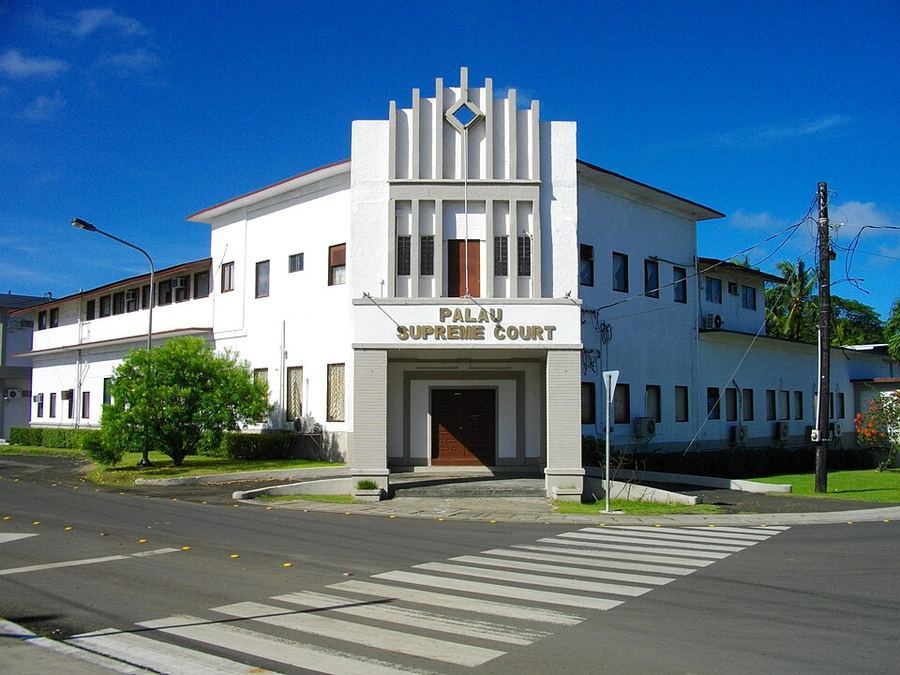
consists of the chief justice and 3 associate justices organized into appellate trial divisions; the Supreme Court organization also includes the Common Pleas and Land Courts
GDP (PPP): $280.025 million (2023 est.)
Per capita: $15,800 (2023 est.)
$24.48 million (2022 est.)
ships, refined petroleum (2023)
Partners: India 41%, Turkey 26%, Taiwan 10%, USA 9%, Japan 5% (2023)
$216.681 million (2022 est.)
ships, refined petroleum, additive manufacturing machines, cars, plastic products (2023)
Partners: Italy 32%, China 25%, USA 11%, Turkey 10%, Japan 6% (2023)
Type: presidential republic in free association with the US
Independence: 1 October 1994 (from the US-administered UN trusteeship)
How mountains, coasts, and rivers shape settlement (LandScan).
Coming — dataWhere groups settled and how people move (GeoEPR + UNHCR).
Coming — dataNotable institutions, mappable as points.
Coming — data