History
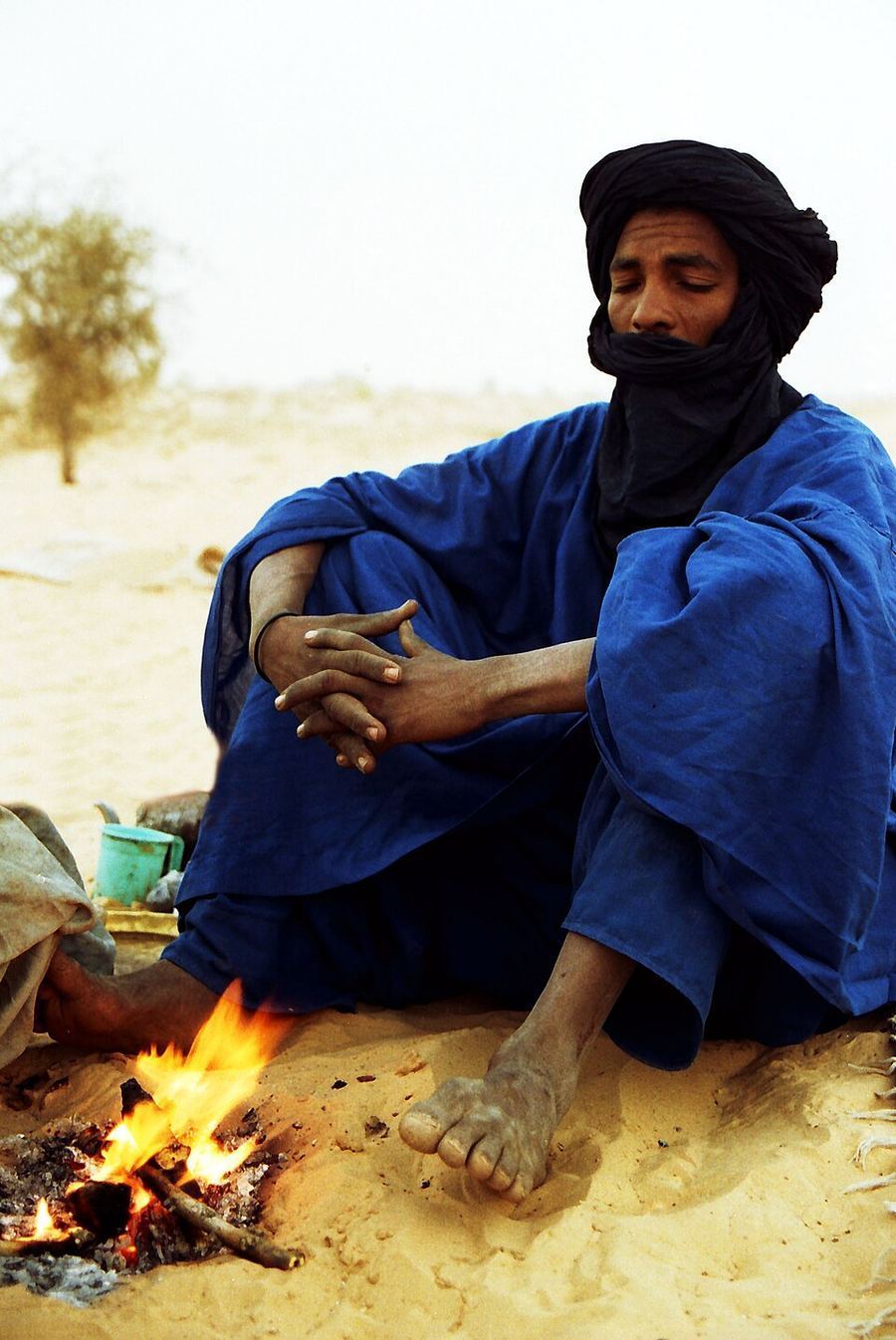
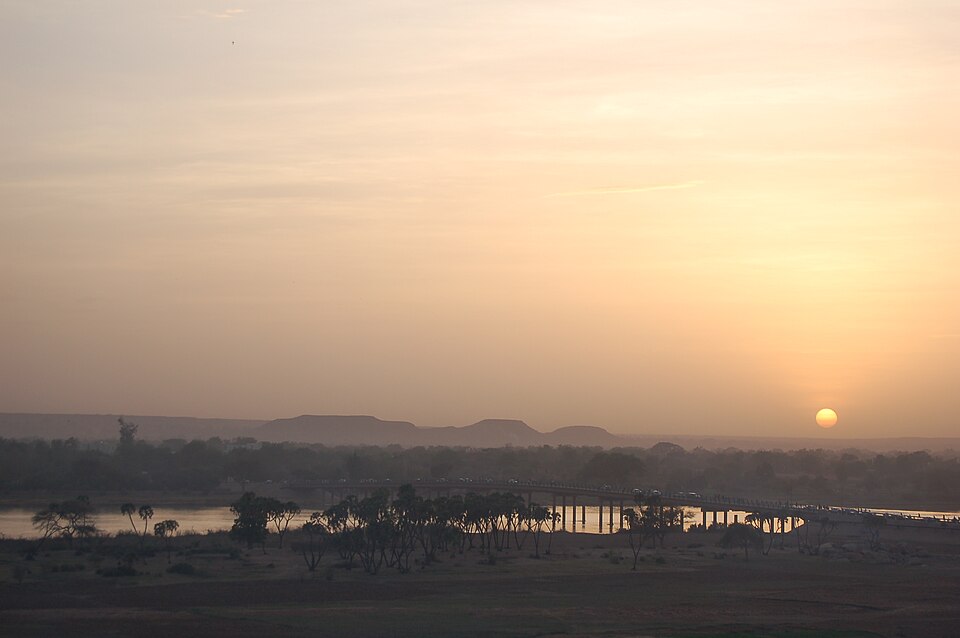
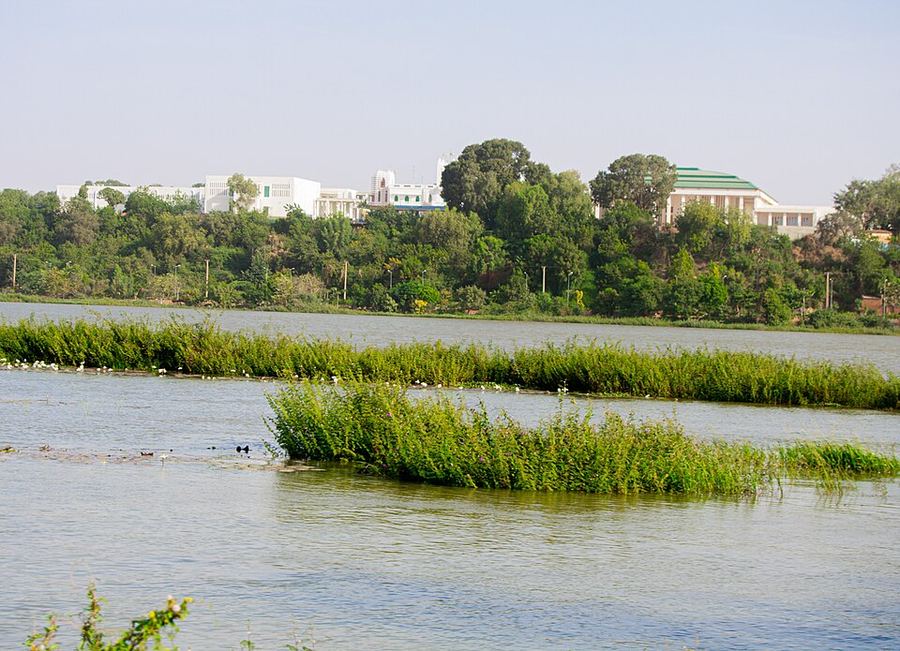
Niger is a landlocked country of about 27 million people in the West African Sahel, the largest state in West Africa by area and roughly four-fifths desert. The Sahara covers the north and centre, the Aïr Mountains and the Ténéré sand sea among them; almost the entire population lives in the narrow southern belt along the Nigerian border and in the south-west, where the Niger River passes Niamey, the capital. Hausa speakers make up just over half the population, with Zarma and Songhai, Tuareg, Fulani, Kanuri, Gurma, Arab and Toubou communities alongside them; French is the official language and Islam is professed by around 95 percent. Niger has the youngest population in the world, with a median age of about 15 and the highest fertility rate of any country, which makes demographic pressure the single largest fact about its future. It is among the world's largest uranium producers and began exporting crude oil through a pipeline to Benin in 2024, yet remains near the bottom of global income and development rankings. Independence from France came on 3 August 1960; a military coup in July 2023 removed the elected president and installed a junta that has since realigned the country away from France and its West African neighbours.
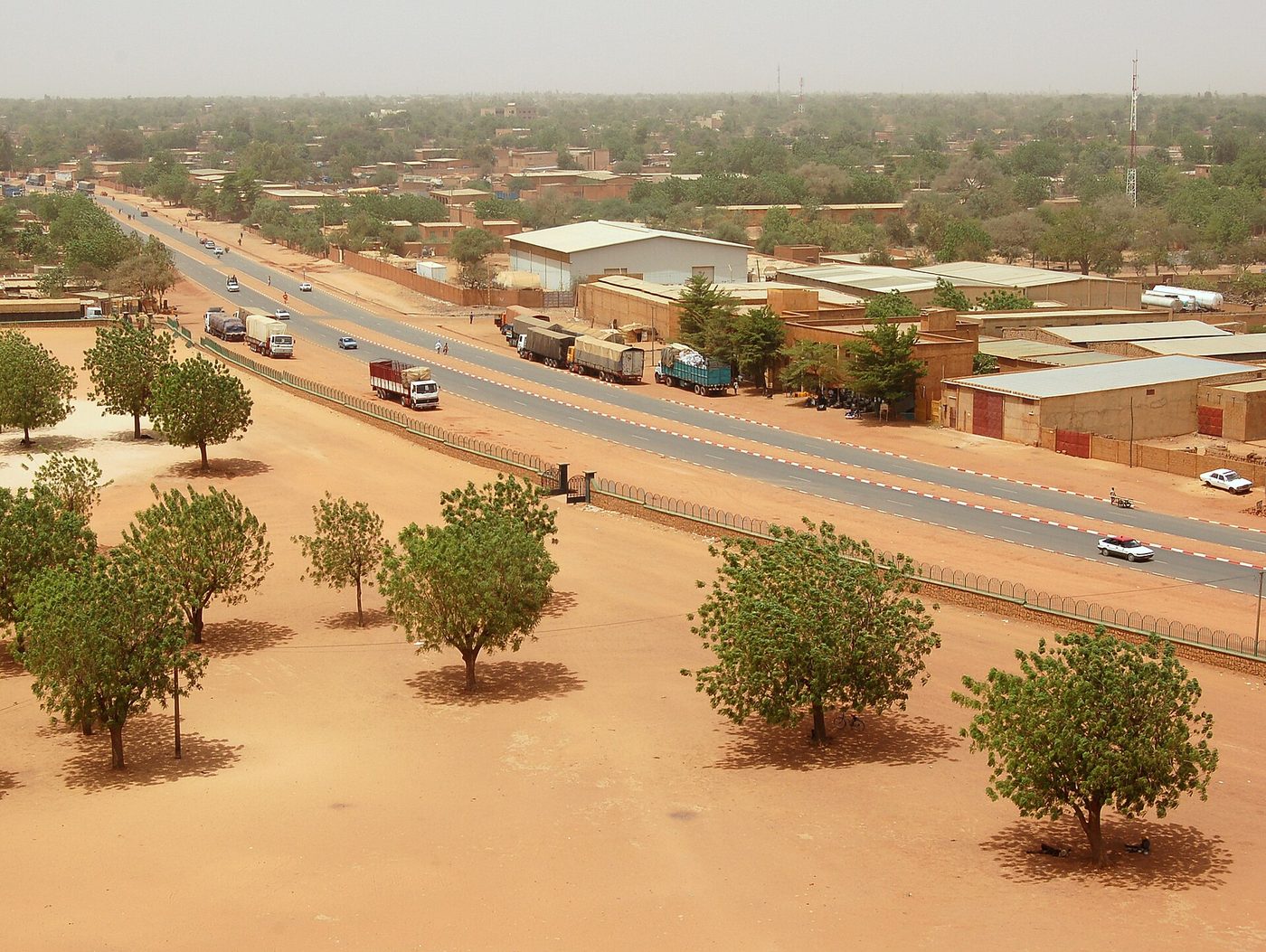
Niamey's urban core is home to about 1,600,656 people.
That's bigger than Amsterdam — each a great world city in its own right.
Among the world's megacities, though, it's one of many — the giants of Asia and Latin America run larger still:
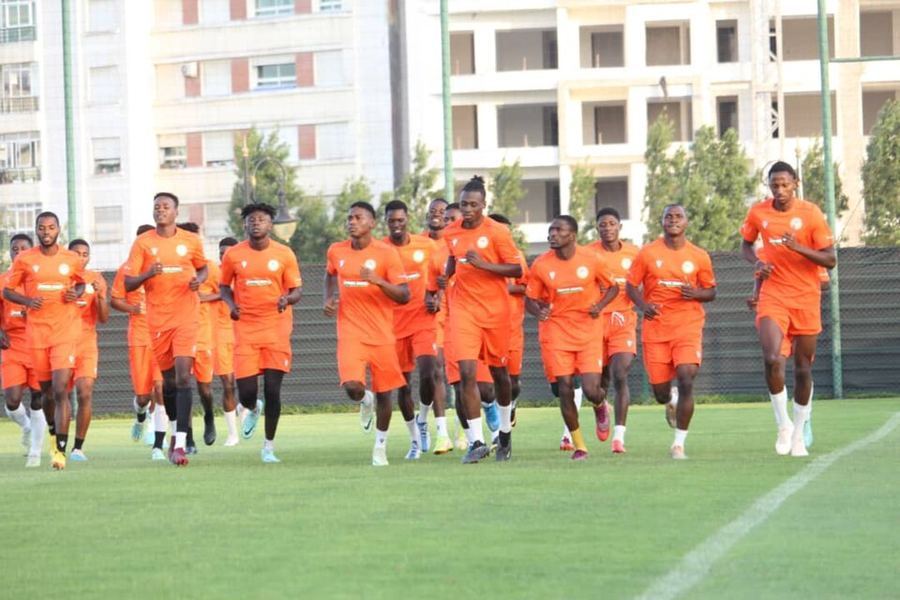
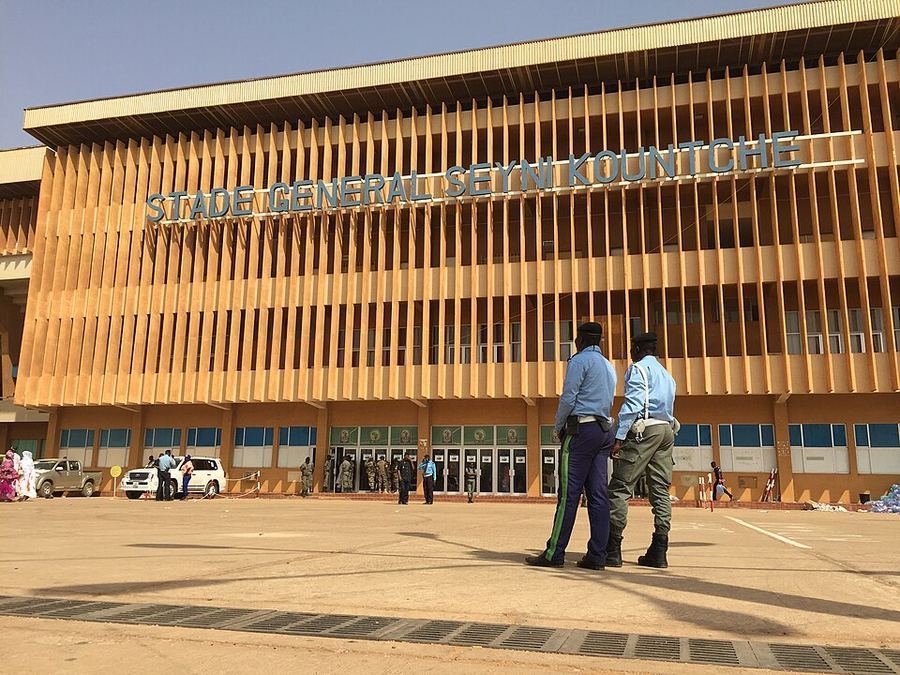
Niger has competed at the Olympic Games since 1964 and has won two medals. Issaka Daborg took bronze in light-welterweight boxing at Munich in 1972, and Abdoulrazak Issoufou Alfaga won silver in the heavyweight taekwondo division at Rio in 2016, a result that made him the country's most celebrated athlete and drew large crowds to his return to Niamey. In football, the Mena have reached the Africa Cup of Nations twice, qualifying for the 2012 tournament in Gabon and Equatorial Guinea and again for the 2013 tournament in South Africa, exiting at the group stage on both occasions, and have never reached a World Cup. The country competes at the African Games, the Francophone Games and in West African regional competition, with wrestling, boxing, athletics and taekwondo supplying most of its representation. Niger also hosts and competes in the regional traditional wrestling championships organised across West Africa, a circuit invisible in global sporting coverage but followed intensely across the Sahel. Resource constraints and, since 2023, the country's diplomatic isolation have limited international participation.
Formerly, semi-presidential republic
Abdourahame Tiani — President of the National Council for the Safeguard of the Homeland General
In office since 28 July 2023
Cnsp Prime Minister Ali Mahaman Lamine Zeine — Head of government
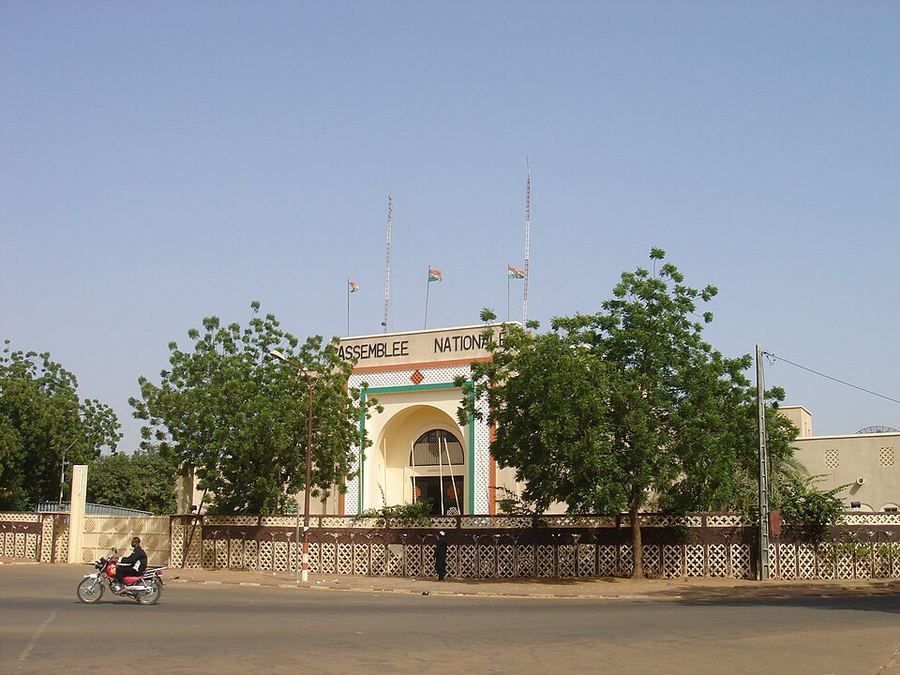
Unicameral
Composition — 194 seats
Last election 5/1/2025 · 19.6% women
consists of 7 members); Supreme Court (membership NA); Constitutional Court (consists of 7 judges
CFA Franc BCEAO — XOF (Fr)
GDP (PPP): $47.921 billion (2024 est.)
Per capita: $1,800 (2024 est.)
$1.223 billion (2023 est.)
gold, oil seeds, uranium and thorium ore, radioactive chemicals, refined petroleum (2023)
Partners: UAE 31%, France 23%, China 18%, India 6%, Sweden 5% (2023)
$3.808 billion (2023 est.)
rice, aircraft parts, iron structures, refined petroleum, centrifuges (2023)
Partners: China 26%, France 15%, India 12%, Nigeria 7%, UAE 6% (2023)
Type: formerly, semi-presidential republic
Independence: 3 August 1960 (from France)
How mountains, coasts, and rivers shape settlement (LandScan).
Coming — dataWhere groups settled and how people move (GeoEPR + UNHCR).
Coming — dataNotable institutions, mappable as points.
Coming — data