History
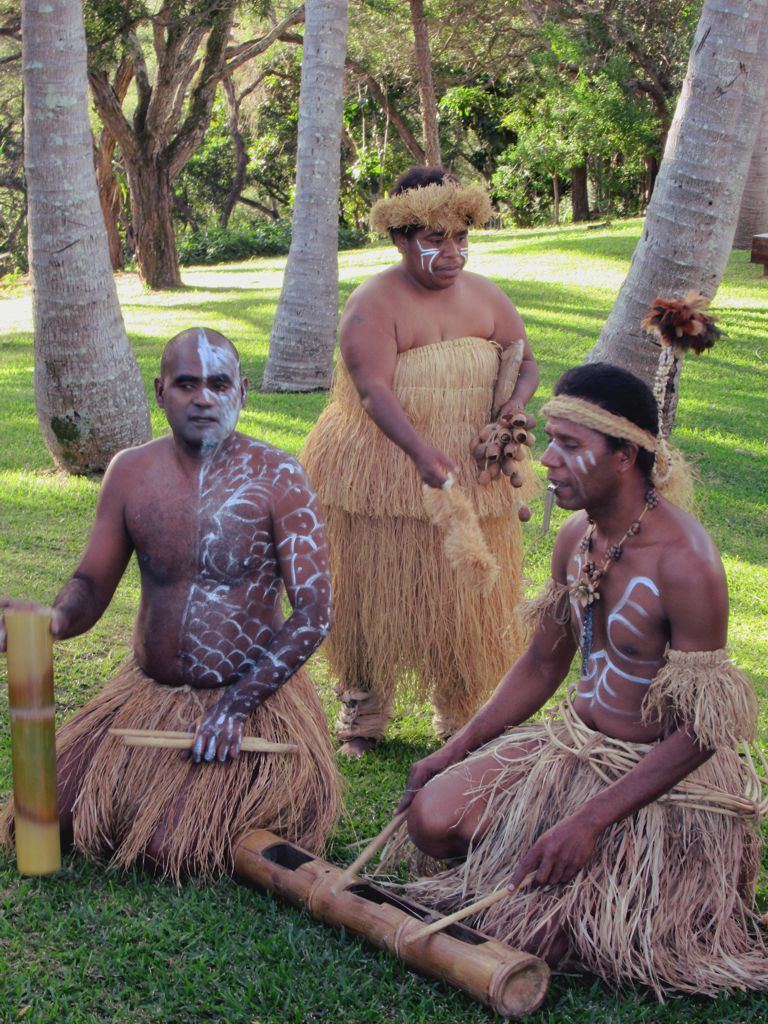
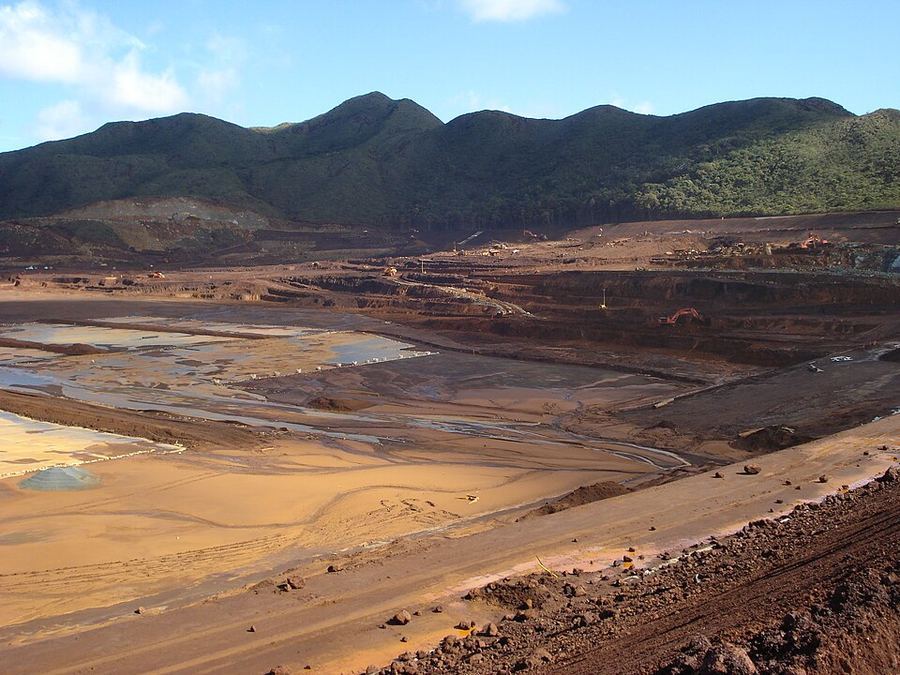
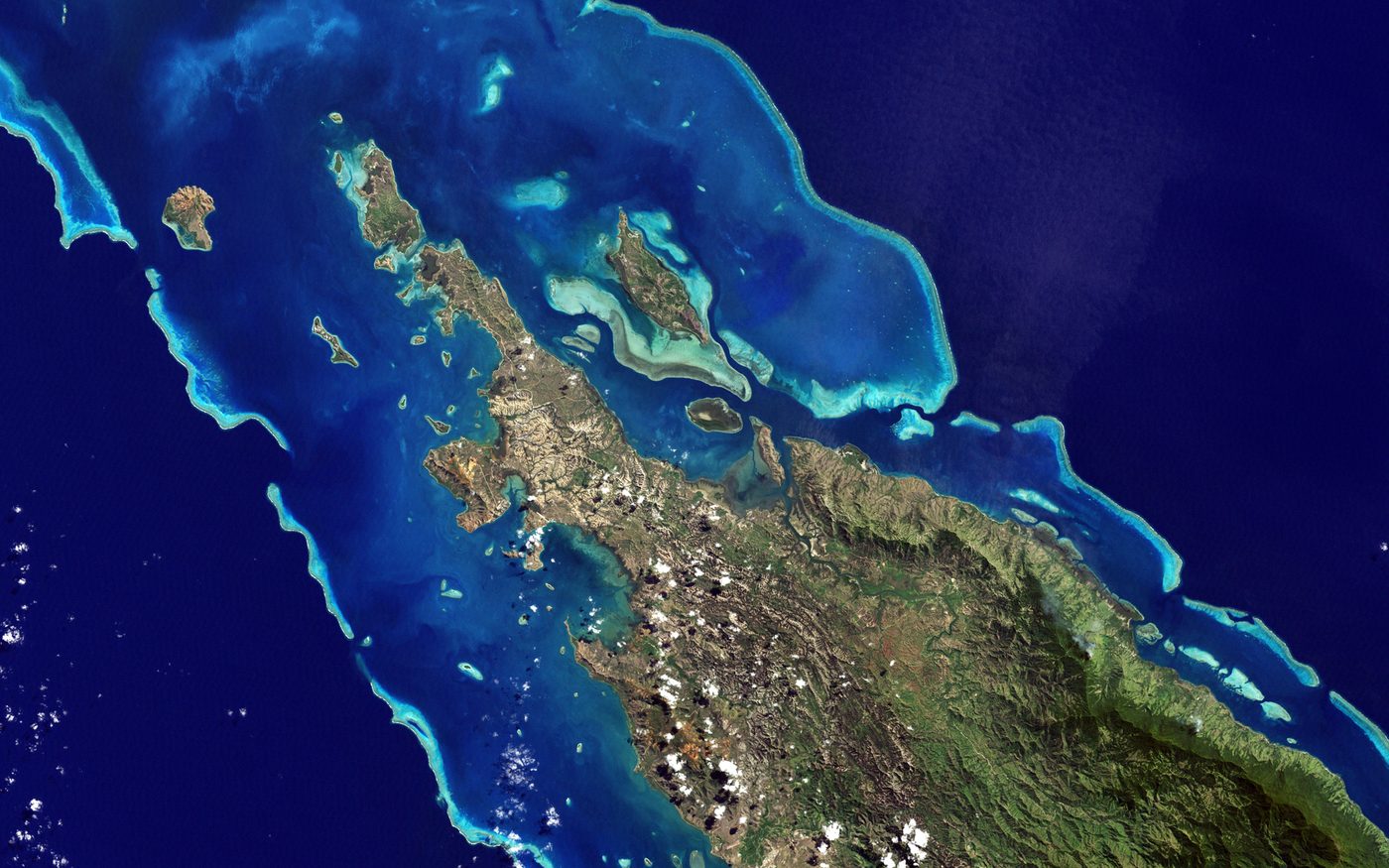
New Caledonia is a French overseas collectivity in the south-west Pacific, some 1,200 kilometres east of Australia, made up of the long mountainous main island of Grande Terre, the Loyalty Islands of Ouvéa, Lifou and Maré, the Isle of Pines and a scattering of smaller islands, with a population of about 308,000. Nouméa, in the far south of Grande Terre, holds roughly half of it. The indigenous Melanesian population, the Kanak, make up around 39 percent, with a European-descended population of about 27 percent alongside Wallisian, Futunian, Tahitian, Indonesian, Vietnamese and Ni-Vanuatu communities. French is the official language and around thirty Kanak languages are spoken. The territory holds roughly a tenth of the world's known nickel reserves, and nickel mining and smelting has dominated its economy and its politics for over a century. Its central question since the 1980s has been whether it will become independent: the Matignon Accords of 1988 and the Nouméa Accord of 1998 set out a long process of transferred powers and referendums, three of which were held between 2018 and 2021 and all of which returned a no, the last under a pro-independence boycott. Serious rioting in 2024 reopened the whole settlement.
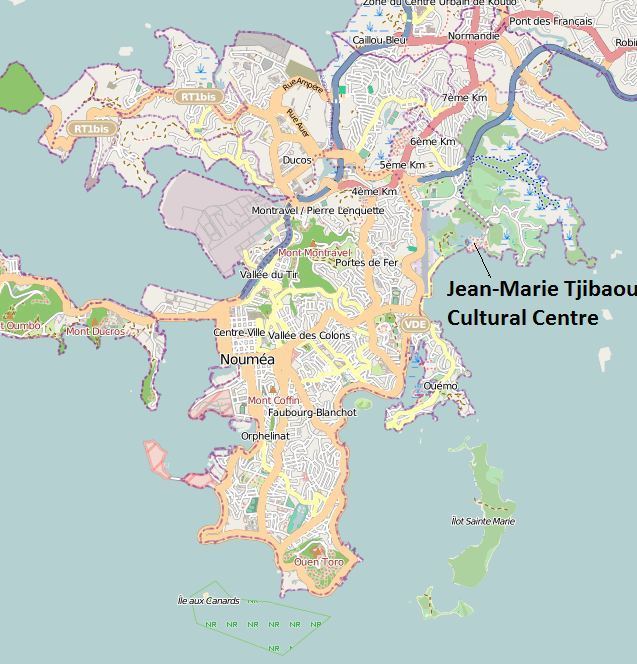
Nouméa's urban core is home to about 153,190 people.
Among the world's megacities, though, it's one of many — the giants of Asia and Latin America run larger still:
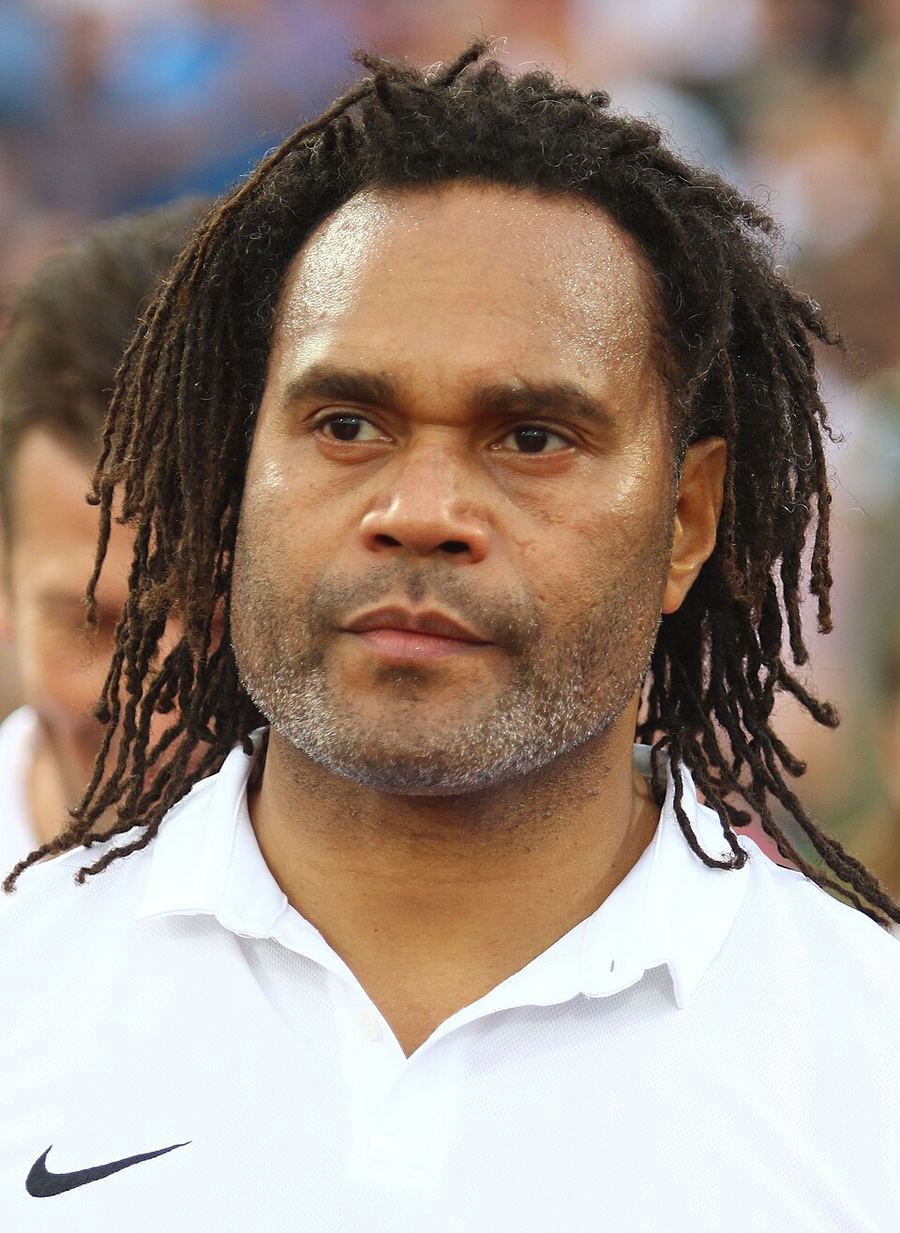
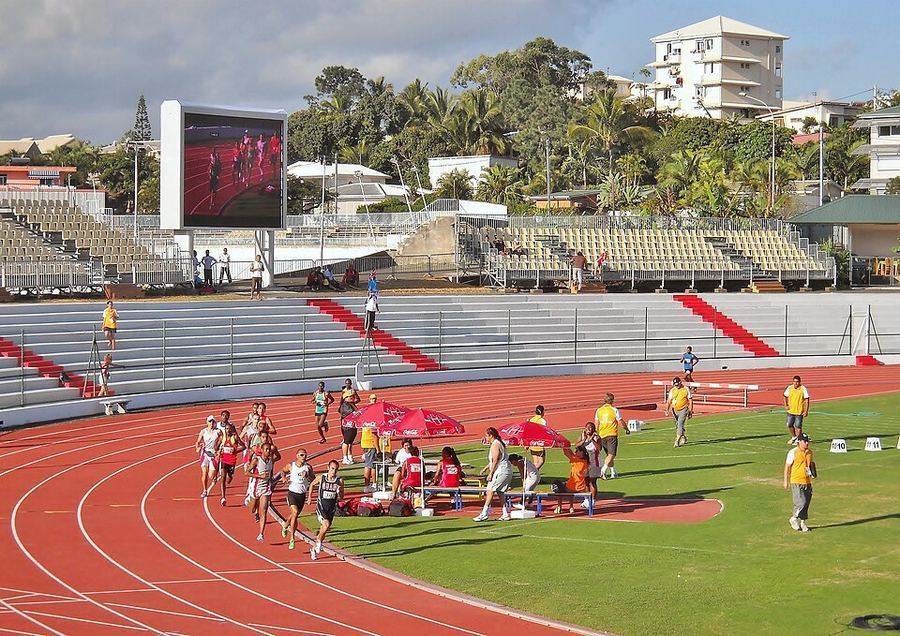
New Caledonia competes internationally under its own name in most sports, an unusual position for a French territory. It is a full member of FIFA, having joined in 2004, and of the Oceania Football Confederation, and its national team is among the strongest in the Pacific: it reached the final of the OFC Nations Cup in 2008 and again in 2024, and that 2024 result carried it into the intercontinental play-off route for the 2026 World Cup, the closest the territory has come to qualifying. Because it has no national Olympic committee, New Caledonian athletes who reach the Olympics compete for France, which is how Christian Karembeu's generation of footballers came to wear the French shirt. The territory's principal multi-sport arena is the Pacific Games, where it is consistently among the top nations in the medal table alongside Tahiti, Papua New Guinea and Fiji, and it hosted the Games in Nouméa in 2011. It also competes at the Pacific Mini Games and in regional competition across athletics, swimming, judo and volleyball.
Parliamentary democracy (Territorial Congress); an overseas collectivity of France
Emmanuel Macron — President
In office since 14 May 2017
Government Alcide Ponga — President of the
Unicameral
Composition — 54 seats
Last election 5/12/2019
number of judges NA
CFP Franc — XPF (None)
GDP (PPP): $8.469 billion (2024 est.)
Per capita: $34,600 (2024 est.)
$1.92 billion (2021 est.)
iron alloys, nickel, nickel ore, processed crustaceans, shellfish (2023)
Partners: China 75%, Japan 9%, Taiwan 3%, India 3%, France 2% (2023)
$2.26 billion (2021 est.)
refined petroleum, coal, cars, aircraft, packaged medicine (2023)
Partners: France 36%, Singapore 16%, Australia 15%, China 6%, NZ 3% (2023)
Type: parliamentary democracy (Territorial Congress); an overseas collectivity of France
Independence: none (overseas collectivity of France)
How mountains, coasts, and rivers shape settlement (LandScan).
Coming — dataWhere groups settled and how people move (GeoEPR + UNHCR).
Coming — dataNotable institutions, mappable as points.
Coming — data