HERA · Human Entity Reference Atlas by Masego Inc

← Sri Lanka 🌐 3D View
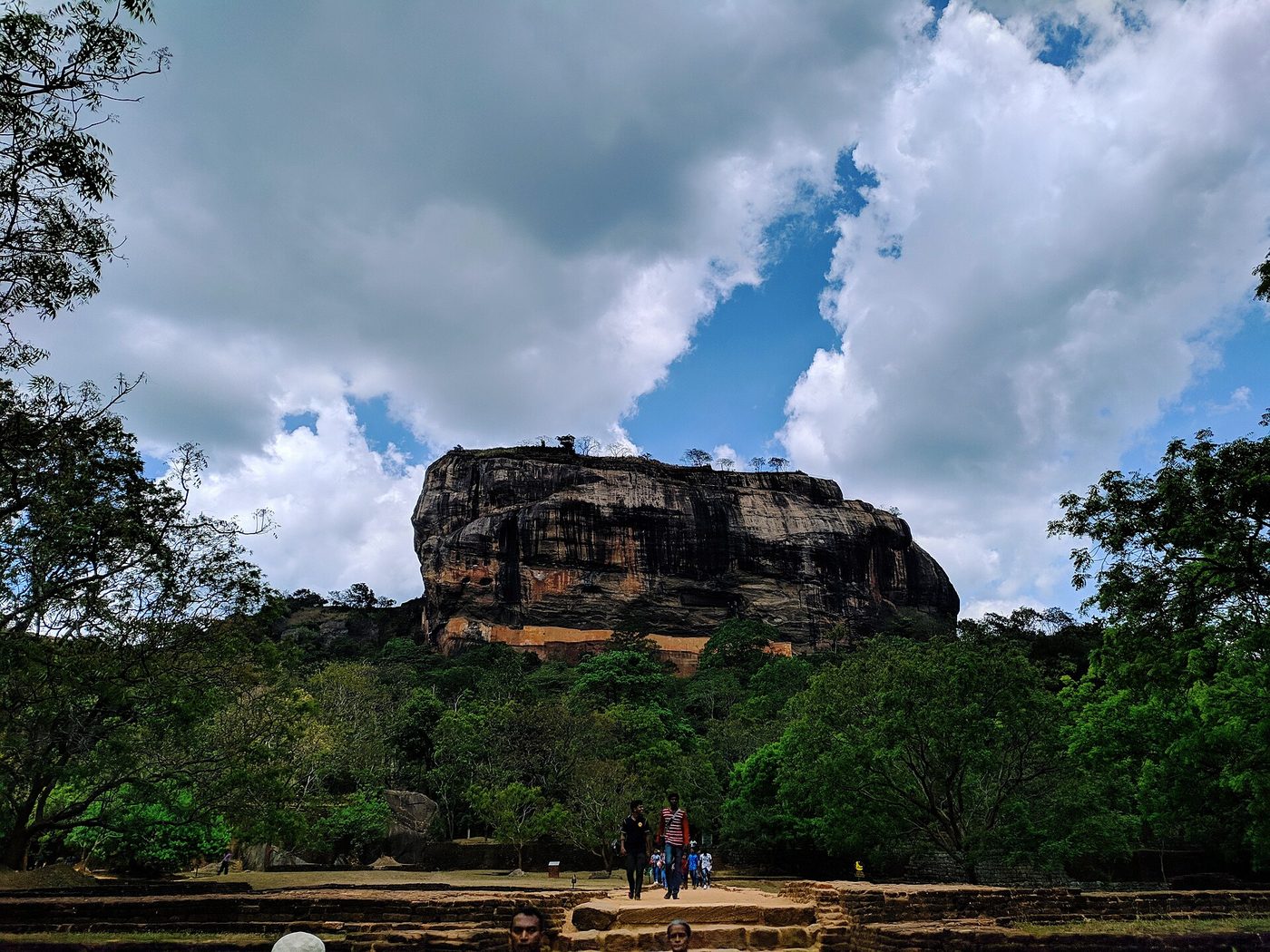
Sigiriya Fortress, Sri Lanka, Sri Lanka
Sri Lanka LKA
Sigiriya Fortress, Sri Lanka — Photo: Madhawa Dunuwila / CC BY-SA 4.0 via Wikimedia Commons
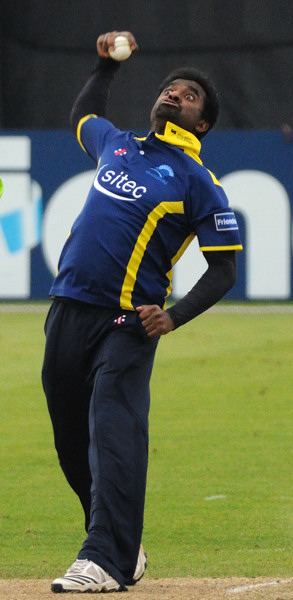
Did You Know Muttiah Muralitharan's 800 Test wickets and 534 one-day international wickets are both still records no bowler has approached. — Encyclopaedia Britannica

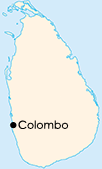
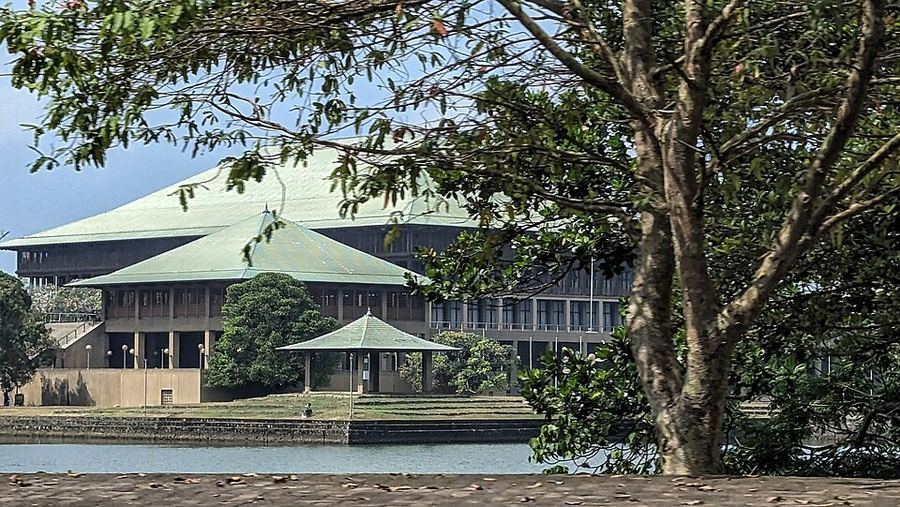
Sri Lanka is an island republic of about 22 million people in the Indian Ocean, separated from the southern tip of India by the narrow Palk Strait and covering some 65,600 square kilometres — a teardrop of coastal plain rising to a central massif of tea-covered highlands. Colombo on the west coast is the commercial capital and largest city, while the legislature sits at Sri Jayewardenepura Kotte just inland. Independence from the United Kingdom came on 4 February 1948, and the country was known as Ceylon until 1972. The Sinhalese make up about 75 percent of the population and Sri Lankan Tamils roughly 11 percent, concentrated in the north and east, alongside Sri Lankan Moors of about 9 percent and Indian Tamils, descended from plantation labourers brought under British rule, of some 4 percent. Sinhala and Tamil are both official languages and English is widely used. Buddhism, professed by around 70 percent and given a constitutionally foremost place, arrived in the third century BC and is central to Sinhalese identity, with substantial Hindu, Muslim and Christian communities. Garments, tea, gems and rubber lead exports, tourism is a mainstay, and the country is recovering from the sovereign default and economic crisis of 2022.

CIA World FactbookEncyclopaedia BritannicaWorld BankIMF
Population
22,050,561
Capital
Colombo (commercial capital); Sri Jayewardenepura Kotte (legislative capital)
Currency
None LKR
Time zones
Largest city
Colombo [Sri Jayawardenepura Kotte]
Human Geography Themes
Loading national figures…
Largest Cities
Colombo [Sri Jayawardenepura Kotte]4,720,933
Kandy696,126
Galle554,849
Jaffna199,497
Batticaloa159,779
Kalmunai120,979
Matale98,502
Ambalangoda94,682
In Perspective

Colombo [Sri Jayawardenepura Kotte]'s urban core is home to about 4,720,933 people.

That's bigger than Sydney, Barcelona, Berlin and Rome — each a great world city in its own right.

Colombo [Sri Jayawardenepura Kotte]4,720,933
Sydney4,375,394
Barcelona3,908,362
Berlin3,601,776
Rome2,556,354

Among the world's megacities, though, it's one of many — the giants of Asia and Latin America run larger still:

Colombo [Sri Jayawardenepura Kotte]4,720,933
Jakarta40,545,126
Dhaka37,307,160
Tokyo33,244,670
Shanghai30,678,616
Cairo25,230,325
The Country & Its People

History

Sri Lankan chronicles, above all the Mahavamsa, trace the island's recorded history from the arrival of Prince Vijaya and the establishment of Sinhalese settlement, and from the mission of Mahinda, son of the Mauryan emperor Ashoka, who converted King Devanampiya Tissa to Buddhism in the third century BC. Anuradhapura became the capital of a hydraulic civilisation that endured more than a millennium, building vast reservoirs and monastic complexes, before shifting to Polonnaruwa in the eleventh century after Chola invasion. Repeated south Indian incursions and internal fragmentation pushed the Sinhalese kingdoms southward, and by the sixteenth century a Tamil kingdom held Jaffna while Kandy commanded the highlands. The Portuguese arrived in 1505 and took the coasts, the Dutch displaced them from 1658, and the British took the maritime provinces in 1796 and finally conquered the Kingdom of Kandy in 1815, unifying the island under a single administration for the first time in centuries and establishing coffee and later tea plantations worked by Tamil labour brought from India. Independence came peacefully on 4 February 1948. Language and constitutional policy privileging Sinhala from 1956 deepened Tamil grievance, and civil war followed from 1983 to 2009.
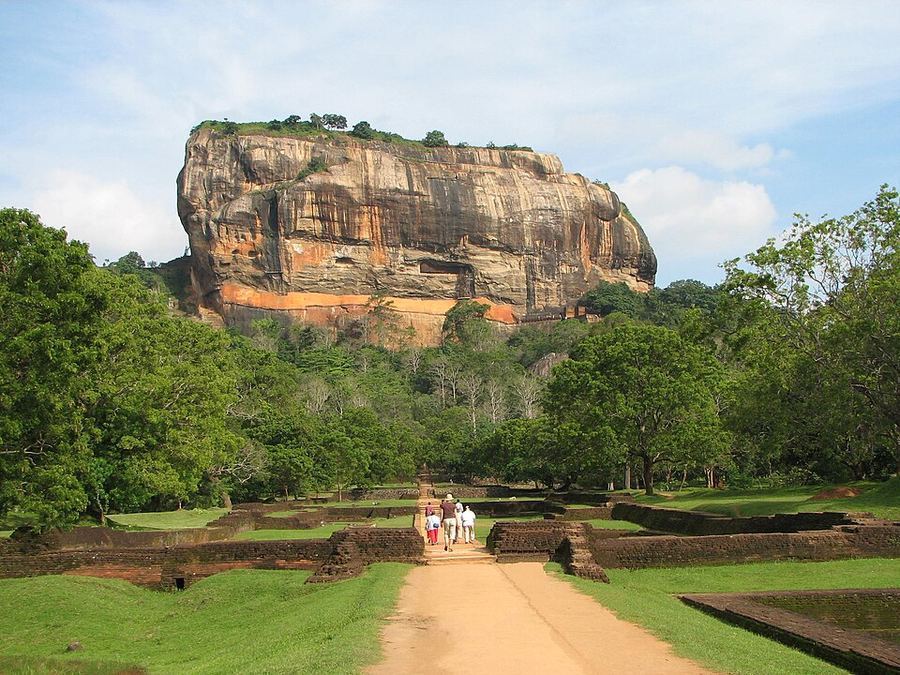
History, Sri Lanka
Bernard Gagnon / CC BY-SA 3.0

Culture

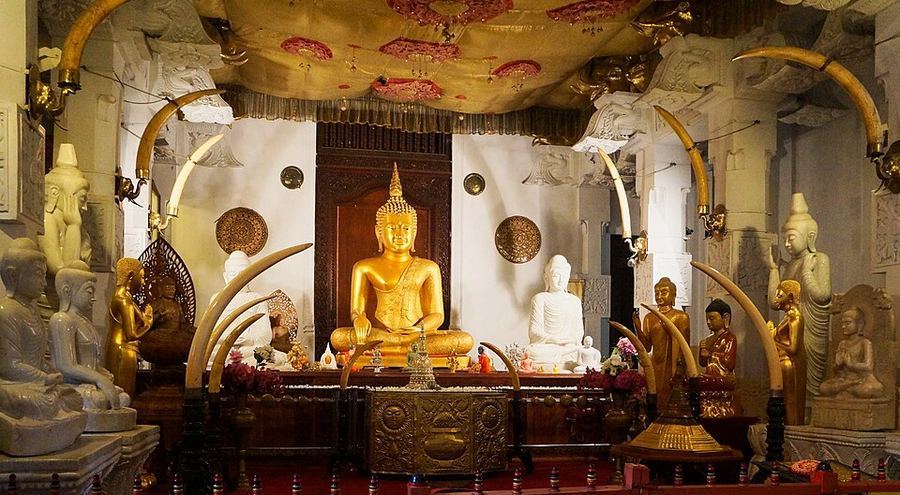
Sri Lankan culture is layered by community and by the extraordinary continuity of Theravada Buddhism, which has been practised on the island since the third century BC and which preserves the Pali canon in a lineage that Sri Lankans regard as the oldest unbroken Buddhist tradition anywhere. The temple, the bo tree and the poya day — the full-moon public holiday observed each month — structure the Sinhalese calendar, and monks retain considerable public and political standing. Hindu Tamil life in the north and east centres on the kovil, on temple festivals, and on Saiva devotional practice, while the Moor community observes Islam and Sri Lankan Christians, both Sinhalese and Tamil, are largely Catholic on the western coast. Sinhala and Tamil New Year in mid-April is celebrated jointly and is the great domestic festival of the year, with astrologically appointed times for lighting the hearth, eating and anointing with oil. Hospitality, respect for elders and caste and kin obligations remain socially significant. Ayurveda is widely practised alongside biomedicine, and astrology is consulted for marriages, business decisions and journeys by a large share of the population.
Culture, Sri Lanka
Pierre André Leclercq / CC BY-SA 4.0

Points Of Pride

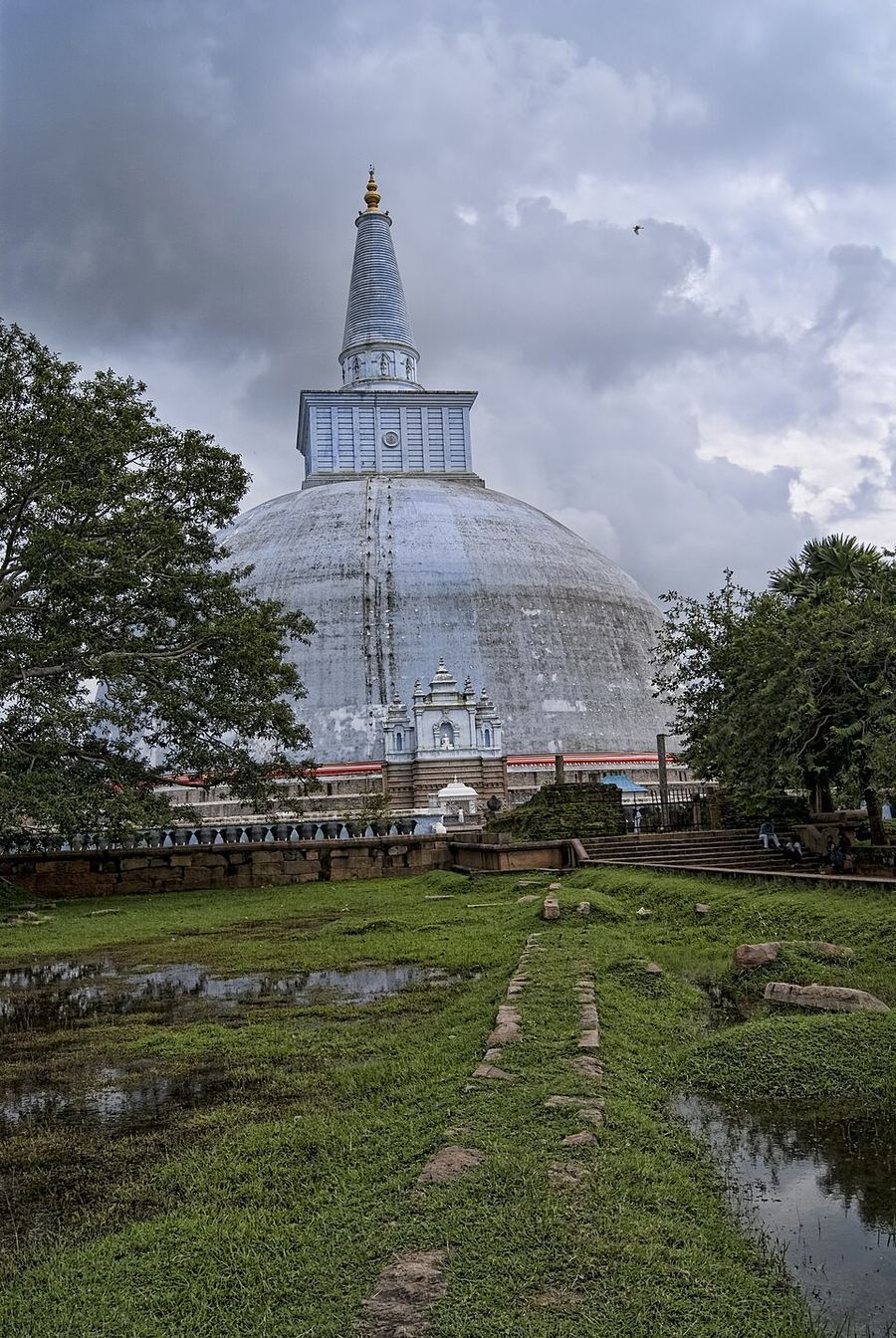
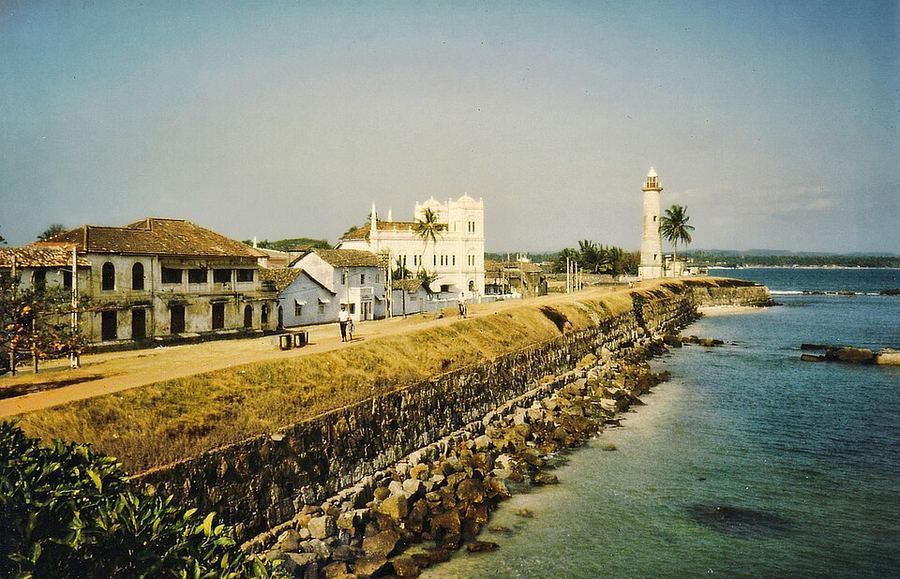
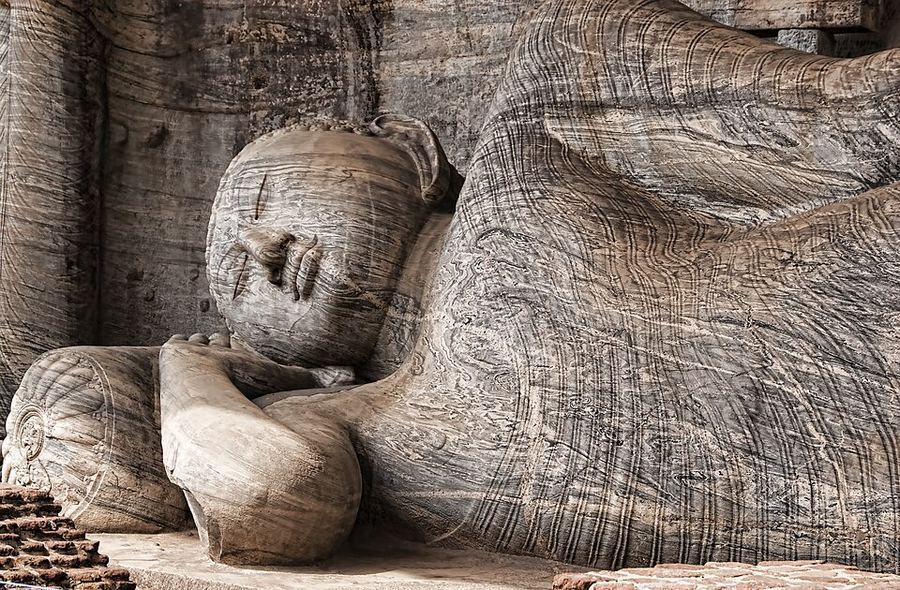
Sri Lanka has eight UNESCO World Heritage sites in a country the size of Ireland. Anuradhapura and Polonnaruwa preserve two successive capitals of the ancient hydraulic civilisation, with stupas that were among the tallest structures in the ancient world and the serene rock-cut Buddhas of Gal Vihara. Sigiriya, the fifth-century royal citadel built on a 200-metre granite plug with its mirror wall, water gardens and frescoes of celestial maidens, is the country's most striking single monument. Dambulla's cave temples hold the largest collection of Buddha images in the island, the Sacred City of Kandy holds the Temple of the Tooth Relic, Galle preserves the finest surviving Dutch colonial fortified town in Asia, and the Sinharaja Forest Reserve and the Central Highlands protect ancient rainforest of exceptional endemism. Sri Lanka's tea, planted after coffee blight in the 1860s, made Ceylon a byword for quality worldwide, and the island's sapphires, particularly from Ratnapura, are among the finest in the world. UNESCO also inscribes the traditional Rukada Natya string puppetry and the Ambalangoda mask ritual traditions among its intangible heritage.
Points Of Pride, Sri Lanka
Philip Nalangan / CC BY 4.0

Cultural Fusion

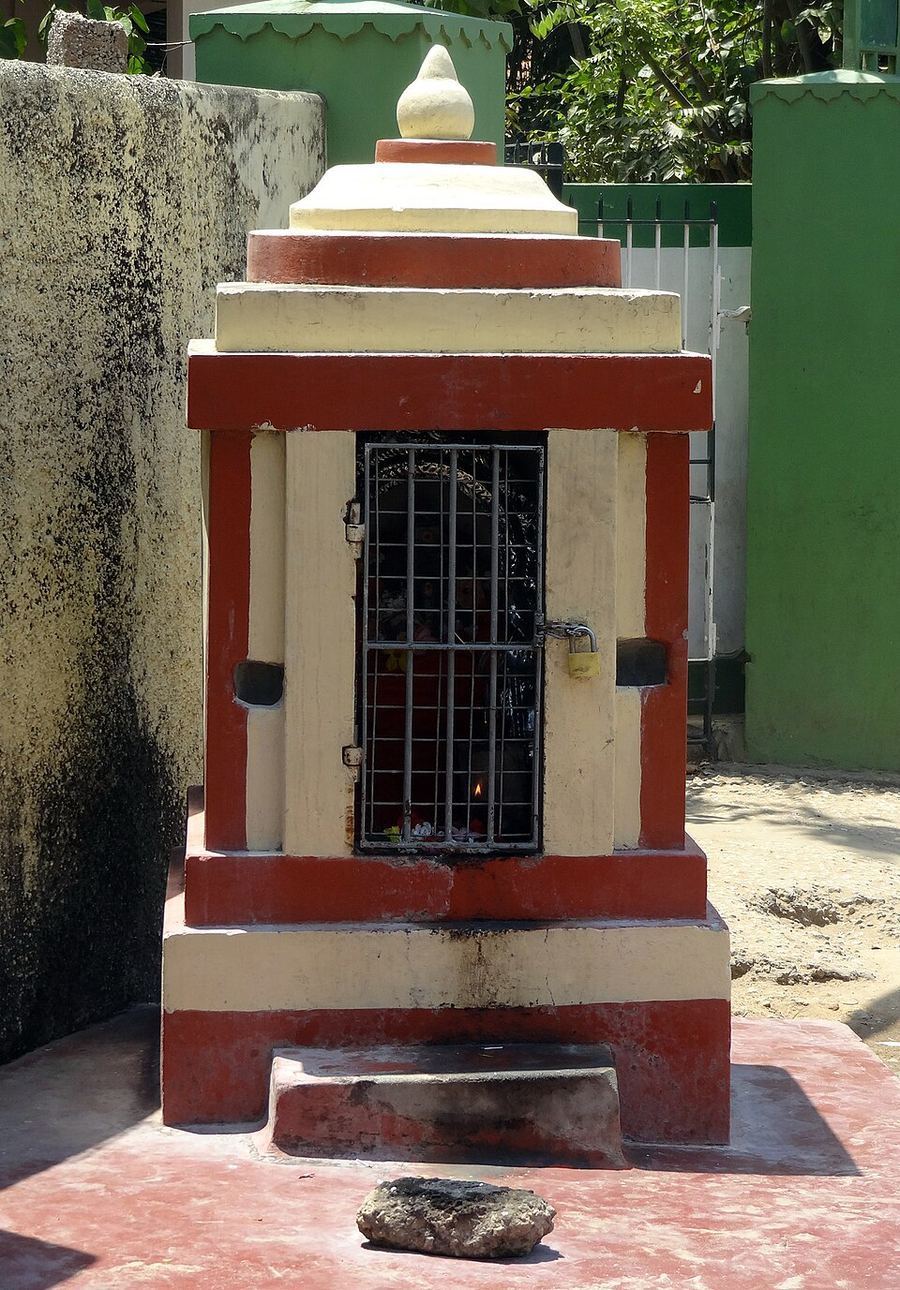
Sri Lanka's position at the centre of the Indian Ocean made it a crossroads for two millennia. Sinhalese, an Indo-Aryan language, and Tamil, a Dravidian one, have coexisted on the island for most of its history and have borrowed heavily from each other in vocabulary, ritual and cuisine, and the Sinhalese pantheon incorporates Hindu deities — Vishnu, Kataragama and Pattini — worshipped at shrines attached to Buddhist temples, an accommodation with few parallels. Arab traders settled the coasts from the eighth century and their descendants form the Moor community, which speaks Tamil and practises Islam. Portuguese, Dutch and British rule left Catholicism, Reformed churches, colonial architecture, legal traditions — Roman-Dutch law still underpins Sri Lankan civil law — and the Burgher community of mixed European and local descent, whose culture, cuisine and English usage remain distinct. Malays brought under Dutch rule form another established community. Indian Tamils were brought from south India in the nineteenth century to work coffee and tea estates and remain concentrated in the hill country as a socially distinct group. Sri Lankan cuisine, music and dress carry visible South Indian, Arab, Malay and European elements throughout.
Cultural Fusion, Sri Lanka
Zapata1000 / CC BY-SA 4.0

Music & Dance

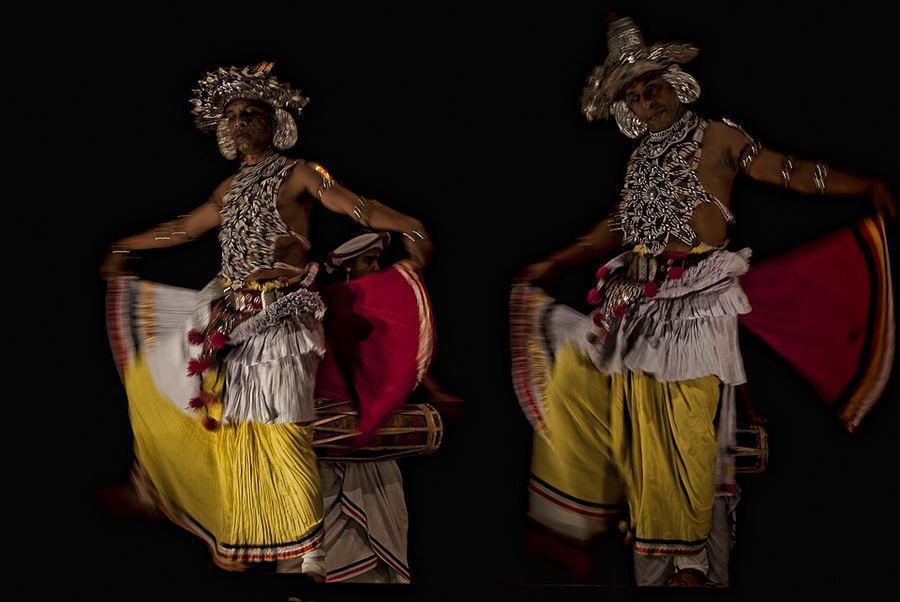
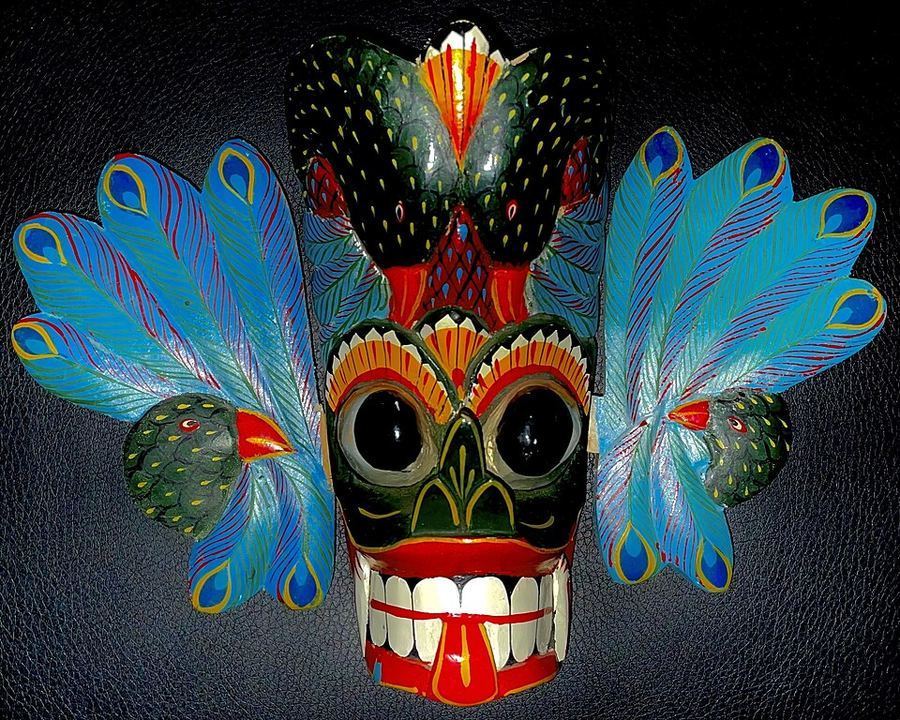
Sri Lanka's dance divides into three great traditions. Kandyan dance, the udarata natum of the highlands, is the most prestigious and is performed by men in a distinctive silver-plated headdress and beaded breastplate, driven by the geta bera, a double-headed drum played with the hands, with rapid footwork, leaps and spins; it originated in the kohomba kankariya healing ritual and is now the national dance form, performed at the Kandy Esala Perahera. Low-country dance from the southern coast is bound to exorcism and healing ceremonies, the tovil, in which masked dancers embody disease demons through the night to the yak bera drum, using the carved and painted masks of Ambalangoda. Sabaragamuwa dance from the south-central region belongs to the Saman deity cult. Tamil traditions bring bharatanatyam and temple music with nadaswaram and thavil. Popular music includes baila, a syncopated dance genre of Portuguese-Burgher origin sung in Sinhala, and the sarala gee art-song tradition shaped by Ananda Samarakoon, who wrote the national anthem, and by W. D. Amaradeva, the towering figure of twentieth-century Sri Lankan music.
Music & Dance, Sri Lanka
Philip Nalangan / CC BY-SA 4.0

Cuisine & Misattributed Foods

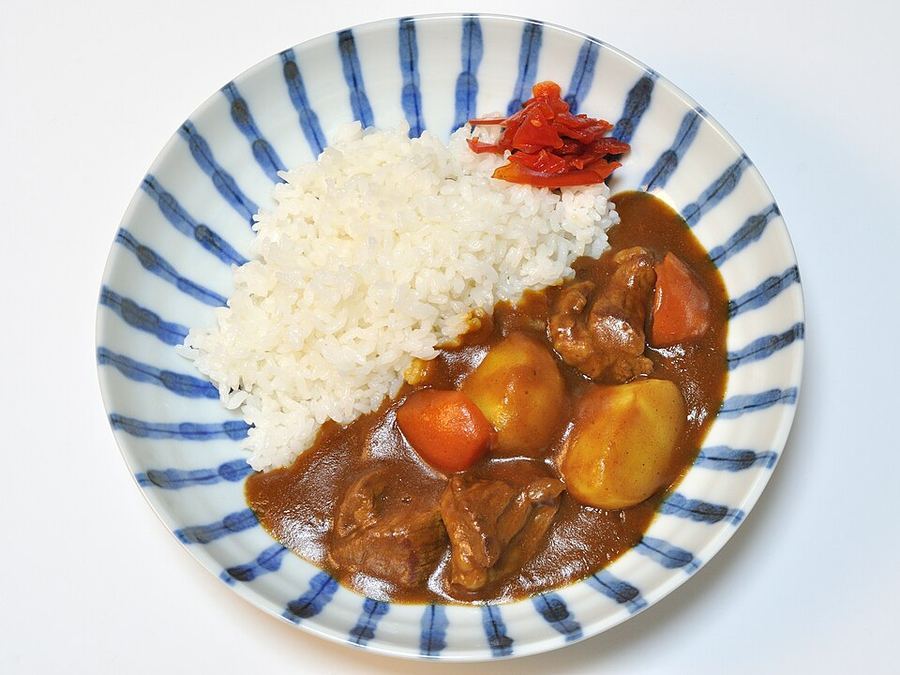
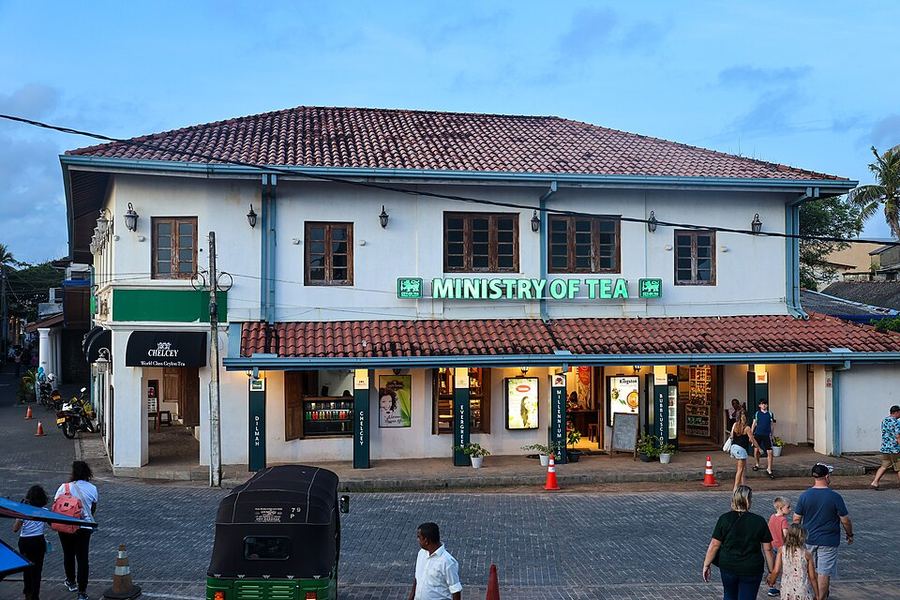
Sri Lankan food is built on rice and curry, but the phrase understates it: a proper meal is a mound of rice ringed by half a dozen or more separately cooked dishes, each with its own spicing — a meat or fish curry, dhal tempered with mustard seed and curry leaf, a vegetable in coconut milk, a fiery sambol and a mallum of finely shredded greens with scraped coconut. The defining flavours are coconut in every form, Ceylon cinnamon, curry leaf, pandan, goraka souring fruit and roasted curry powder, and the heat level is generally higher than in Indian cooking. Pol sambol, coconut pounded with dried chilli, lime and Maldive fish, is on nearly every table. Hoppers — bowl-shaped pancakes of fermented rice flour and coconut milk, often with an egg cooked into the centre — and their noodle counterpart, string hoppers, are the classic breakfast and supper, eaten with sambol and curry. Kottu roti, flatbread chopped on a hot griddle with vegetables, egg and meat to a distinctive rhythmic clatter, is the great street dish. Tea, grown in the highlands since the 1860s, is the national drink and one of the country's defining exports.
Cuisine & Misattributed Foods, Sri Lanka
Ocdp / CC0

National Dress

Sinhalese women's formal dress is the osari, or Kandyan saree, distinguished from the Indian style by a pleated frill at the waist and a fuller drape over the shoulder, worn at weddings, on national occasions and by public figures; the sari in Indian styles is equally common. Tamil women wear the sari and the pavadai for girls, and the Muslim community has its own conventions of dress. The lama sariya is worn by girls for ceremonies. Men's traditional dress is the sarong, worn universally at home and in rural life, and for formal occasions the national dress adopted during the independence movement — a long white collarless shirt worn over a sarong or with trousers — which became the standard attire of Sri Lankan politicians and a deliberate statement of anti-colonial identity. Kandyan chieftain costume, the mul anduma, is a spectacular ceremonial dress of layered brocade, a pleated skirt, a jacket and a four-cornered hat, worn in the Esala Perahera. Kandyan dancers wear the ves costume with its beaded silver headdress, and the handloom textiles and batik of the island, revived in the twentieth century, supply much of its distinctive cloth.
National Dress, Sri Lanka
LuxFoto09 / CC BY-SA 4.0

Sports & Inspiring Athletes

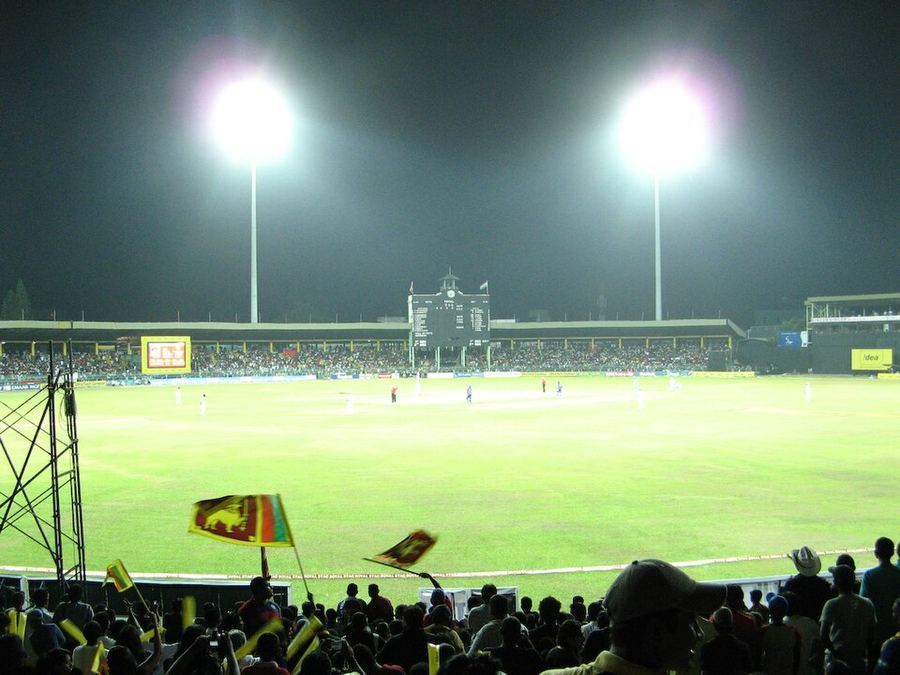
Cricket is the national sport in practice if not in law — volleyball holds the formal designation — and it commands a following unmatched by anything else on the island. Sri Lanka Cricket administers a first-class structure and the national team, and the domestic school game, with its century-old inter-school matches such as the Royal-Thomian in Colombo, is a social institution in its own right. The country was granted Test status in 1981 and has since produced some of the game's greatest players. Volleyball is genuinely widely played across rural areas and is the designated national sport. Rugby union has a strong following, concentrated in Colombo and Kandy schools and clubs. Athletics, badminton, netball, football and swimming are all organised nationally, and Sri Lanka has a distinctive martial art in angampora, a fighting system combining grappling, striking and weapons that was banned under British rule and has been revived. Traditional games played at the Sinhala and Tamil New Year — pillow fighting on a beam, the kotta pora, tug of war, and the greased pole climb — are a national custom rather than a competitive sport.
Sports & Inspiring Athletes, Sri Lanka
Harshadewa Ariyasinghe from Mount Lavinia, Sri Lanka / CC BY-SA 2.0

Notable Educational Programs

Sri Lanka has for decades recorded social indicators far above what its income level would predict, and education is central to that record: free education from primary school through university has been state policy since the 1940s, literacy is among the highest in South Asia at over ninety percent, gender parity in enrolment is complete and female enrolment in higher education exceeds male. Schooling is provided in Sinhala and Tamil medium with English taught throughout, and the national school system is supplemented by a large network of pirivena Buddhist monastic schools. Competition for university places is intense, allocated through the highly selective Advanced Level examination, and the state universities — Colombo, Peradeniya, Moratuwa for engineering, Kelaniya, Jaffna and others — admit only a fraction of qualified applicants, which drives a substantial outflow of students to universities abroad and, more recently, growth in private and foreign-affiliated institutions. Medical and engineering education is well regarded, and Sri Lankan-trained doctors and nurses work throughout the Gulf and the Commonwealth. The 2022 economic crisis strained the system severely, closing schools during fuel shortages and accelerating emigration among teachers and academics.
Notable Educational Programs, Sri Lanka
Anuradha Ratnaweera from Sri Lanka / CC BY-SA 2.0

Wars & Conflicts

Sri Lanka's civil war ran from 1983 to May 2009 between the government and the Liberation Tigers of Tamil Eelam, who sought an independent Tamil state in the north and east. It followed decades of grievance over the Sinhala Only language act of 1956, university admission quotas and citizenship laws affecting Indian Tamils, and it was triggered into open war by the anti-Tamil pogrom of July 1983 known as Black July. The conflict killed an estimated 80,000 to 100,000 people, saw the LTTE pioneer the use of suicide bombing as a systematic tactic and recruit child soldiers, and included the assassination of the Indian prime minister Rajiv Gandhi in 1991 and of Sri Lankan president Ranasinghe Premadasa in 1993. An Indian peacekeeping force intervened between 1987 and 1990; a Norwegian-brokered ceasefire held from 2002 until fighting resumed in 2006. The war ended with the military defeat of the LTTE in the Vanni in May 2009 amid heavy civilian casualties, and United Nations investigations have alleged serious violations by both sides, with accountability remaining contested. Separately, two Marxist JVP insurrections in 1971 and 1987 to 1989 were suppressed with tens of thousands of deaths, and Islamist suicide bombings on Easter Sunday 2019 killed more than 250 people.
Current as of 2026-08-07
Wars & Conflicts, Sri Lanka
Aathavan jaffna / CC BY-SA 3.0

Land & Border Disputes

Sri Lanka has no land border and only one significant international territorial question, which was settled amicably: sovereignty over Katchatheevu, a small uninhabited island in the Palk Strait, was ceded to Sri Lanka under bilateral agreements with India in 1974 and 1976, a decision that remains politically contentious in the Indian state of Tamil Nadu and is periodically raised there, though both national governments treat the boundary as settled. The live friction in the strait is fisheries: Indian trawlers crossing into Sri Lankan waters, and the arrest of their crews by the Sri Lankan navy, produce recurrent incidents and diplomatic exchanges, with bottom trawling and its effect on northern Sri Lankan fishing communities at the heart of the grievance. Beyond that, Sri Lanka's international disputes are economic and diplomatic: the terms of its sovereign debt restructuring after the 2022 default, negotiated with the International Monetary Fund and with bilateral creditors including China, India and Japan; scrutiny at the United Nations Human Rights Council over wartime accountability and post-war reconciliation; and questions over the strategic use of the Hambantota port, leased on a long concession to a Chinese state company in 2017.
Land & Border Disputes, Sri Lanka
User:Nil Einne / Public domain
Land, Life & Legacy

Land & Climate

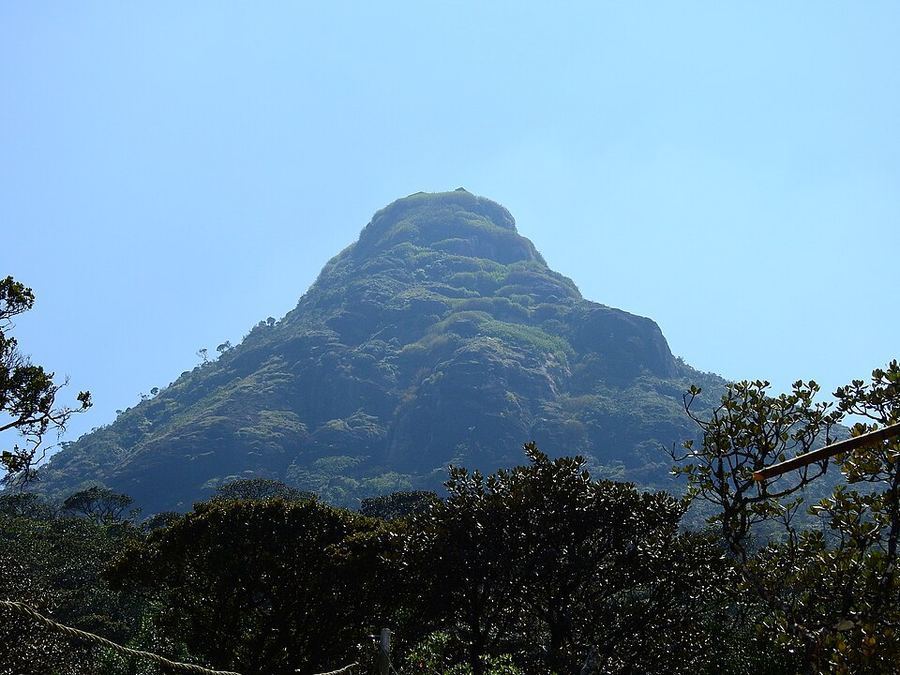
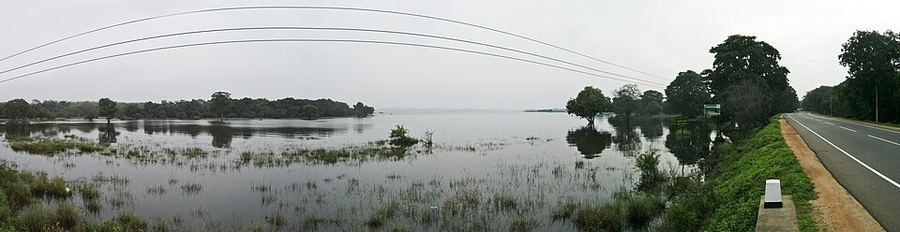
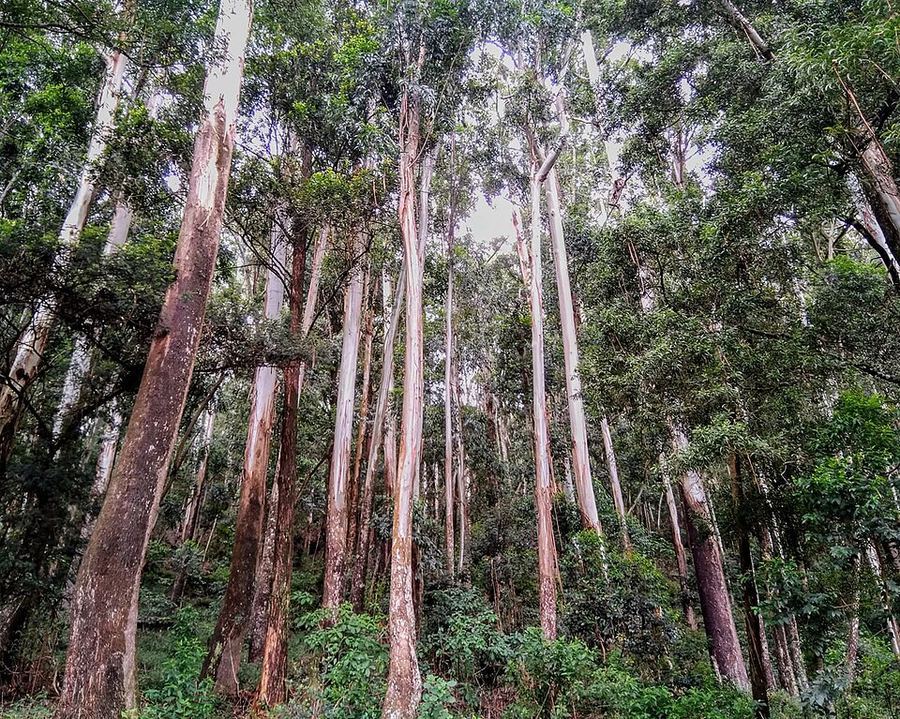
Sri Lanka is a pear-shaped island of coastal lowland rising to a central highland massif, with Pidurutalagala at 2,524 metres its highest point and Adam's Peak, or Sri Pada, at 2,243 metres its most venerated, climbed by pilgrims of four religions to a summit footprint variously attributed to the Buddha, Shiva, Adam and Saint Thomas. The highlands generate the rivers, of which the Mahaweli is the longest, and divide the island climatically into a wet zone in the south-west and central hills and a dry zone covering the north and east. Two monsoons deliver that division: the south-west monsoon from May to September and the north-east monsoon from December to February, so that some part of the island is in rain for most of the year. The dry zone is the site of the ancient irrigation civilisation, whose tanks and canals still water it. Beaches ring the island, coral reefs fringe parts of the coast, and the Palk Strait separating it from India is shallow enough to hold the chain of shoals known as Adam's Bridge. Sri Lanka is one of the most biodiverse countries in Asia for its size, with high endemism in the Sinharaja rainforest and the Central Highlands, and it suffered catastrophic damage in the Indian Ocean tsunami of December 2004.
Land & Climate, Sri Lanka
Rehman Abubakr / CC BY-SA 4.0

Entertainment

Cricket is the organising leisure activity of the country, played in every lane and field and watched collectively wherever a screen can be found. Beyond it, Sri Lankan recreation is family-oriented and closely tied to the religious calendar: poya days each month bring temple visits, and the Sinhala and Tamil New Year in April empties the cities for a week of village games, oil-anointing rituals and feasting. Pilgrimage is a major form of travel — the ascent of Adam's Peak through the night in the December to May season, the shrine at Kataragama in the south-east visited by Buddhists, Hindus and Muslims alike, and the Temple of the Tooth in Kandy. The Esala Perahera in Kandy each July or August, in which caparisoned elephants, Kandyan dancers, drummers and fire performers process for ten nights, is the country's greatest spectacle. Domestic tourism runs to the hill stations at Nuwara Eliya and Ella, the beaches of the south and east coasts, and the national parks at Yala and Udawalawe for leopard and elephant. Carrom is played everywhere, kite flying is a coastal pastime, and the country's cinema, teledrama and live music scenes are active.
Entertainment, Sri Lanka
Ishan shanuka / CC BY-SA 4.0

Art & Museums

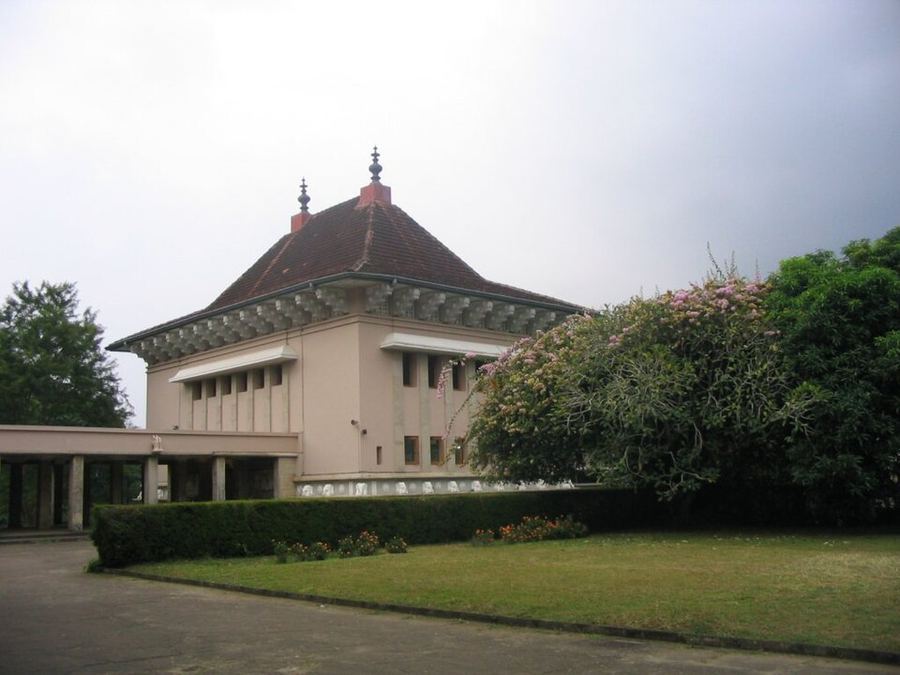
Sri Lankan art is dominated by Buddhist sculpture, painting and architecture of remarkable antiquity. The colossal stupas of Anuradhapura — Jetavanaramaya and Abhayagiri among them — were, when built, among the largest brick structures on earth. The moonstones and guardstones of Anuradhapura entrance thresholds are refined works of relief carving, and the rock-cut Buddhas at Gal Vihara in Polonnaruwa, particularly the reclining figure and the standing attendant, are the summit of the island's sculpture. The Sigiriya frescoes, painted on a sheer rock face in the fifth century, preserve a secular subject of unusual grace, and the Dambulla cave temples hold centuries of accumulated murals and images. Traditional crafts remain living practices: Ambalangoda mask carving for the low-country exorcism dramas, Dumbara mat weaving, Kandyan brass and silver work, lacquerware and batik. Modern Sri Lankan painting was defined by the 43 Group formed in 1943, whose members including George Keyt fused European modernism with local subject and line. Geoffrey Bawa's tropical modernist architecture, in buildings from the parliament at Kotte to hotels and private houses, is the island's most internationally influential recent art form.
Encyclopaedia BritannicaUNESCO World Heritage CentreMetropolitan Museum of ArtBritish Museum
Art & Museums, Sri Lanka
Philip Nalangan / CC BY 4.0

Notable People

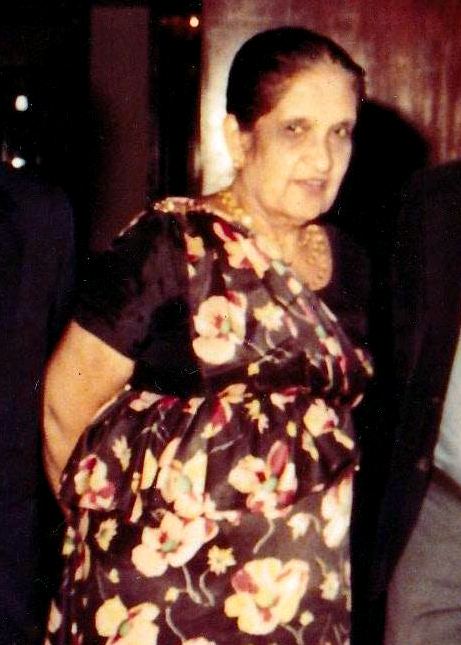
Sirimavo Bandaranaike became the world's first female head of government when she took office as prime minister of Ceylon in July 1960, and served three terms; her daughter Chandrika Kumaratunga later served as president. Anagarika Dharmapala, the Buddhist revivalist of the late nineteenth century, was central to both the religious revival and the rise of Sinhalese nationalism, and founded the Maha Bodhi Society. Arthur C. Clarke, the British science-fiction writer and the man who proposed the geostationary communications satellite in 1945, made Sri Lanka his home from 1956 until his death in 2008 and became closely identified with the island. Geoffrey Bawa reshaped tropical architecture from Colombo. Michael Ondaatje, born in Colombo, won the Booker Prize for The English Patient, and Shyam Selvadurai and Romesh Gunesekera write from the same diaspora. W. D. Amaradeva defined modern Sinhala music. In cricket, Muttiah Muralitharan holds the record for the most wickets in both Test and one-day international cricket, and Arjuna Ranatunga captained the side that won the 1996 World Cup; Kumar Sangakkara and Mahela Jayawardene are among the game's most prolific batsmen.
Notable People, Sri Lanka
Copyright Holder & Original Uploader of the Full Version of this Photograph is Anuradha Dullewe Wijeyeratne at en.Wikipedia / CC BY-SA 3.0

Inventions & Breakthroughs

The ancient Sinhalese hydraulic civilisation produced engineering of a sophistication that still draws study. From roughly the third century BC, kings built a vast network of reservoirs — the wewa or tank — connected by canals to irrigate the dry zone, including the Kalawewa and the Parakrama Samudra, and constructed canals such as the Jaya Ganga, which runs some eighty kilometres from Kalawewa to Anuradhapura on a gradient of only a few centimetres per kilometre, a survey achievement of extraordinary precision for the period. The distinguishing invention is the bisokotuwa, or valve pit, a stone cistern built into the dam that controlled the pressure of water released through the sluice, allowing very large tanks to be drawn down safely; it is generally regarded as an indigenous Sri Lankan innovation without clear precedent elsewhere. The Sigiriya water gardens include fountains driven purely by hydrostatic pressure that still operate in the rainy season after fifteen centuries. Sri Lankan metallurgy produced high-carbon steel in wind-driven furnaces on the western slopes of the hill country, and the island's cinnamon processing and gem-cutting traditions are similarly old and distinctive.
Inventions & Breakthroughs, Sri Lanka
Vethish / CC BY-SA 3.0

Science & Technology

Sri Lanka's scientific reputation rests chiefly on public health, where it has achieved outcomes far ahead of its income group: life expectancy above seventy-five years, very low maternal and infant mortality, elimination of malaria certified by the World Health Organization in 2016 after decades of effort, and elimination of lymphatic filariasis and neonatal tetanus as public health problems, all delivered through a free public health service and a network of midwives that is studied internationally as a model. Research is concentrated in the university medical faculties, the Medical Research Institute in Colombo and agricultural institutes working on rice, tea and coconut. The country has a strong engineering tradition centred on the University of Moratuwa and a substantial information technology and business-process services sector exporting software and back-office work. Environmental science addresses the chronic kidney disease of unknown aetiology affecting farming communities in the dry zone, an unresolved problem that has attracted international research attention, along with coastal management after the 2004 tsunami and elephant-human conflict. The 2022 economic crisis, with its fuel and import shortages, damaged laboratories and accelerated the emigration of scientists and physicians.
Science & Technology, Sri Lanka
Ruchira159 / CC BY-SA 4.0
On The World Stage
Champions of Sri Lanka

Champions & Defining Moments

Sri Lanka's greatest sporting moment came in March 1996, when a side captained by Arjuna Ranatunga won the Cricket World Cup in Lahore, beating Australia in the final after transforming one-day batting with the opening assault of Sanath Jayasuriya and Romesh Kaluwitharana — a victory that reshaped the tactics of the format worldwide and remains the defining national achievement. The team reached the World Cup final again in 2007 and 2011 and won the ICC World Twenty20 in 2014 and the ICC Champions Trophy jointly in 2002. Muttiah Muralitharan took 800 Test wickets and 534 in one-day internationals, both records that still stand, and Kumar Sangakkara, Mahela Jayawardene, Chaminda Vaas and Lasith Malinga rank among the leading players in the game's history. At the Olympics, Sri Lanka has won two medals, both silver and both in athletics: Duncan White in the 400 metres hurdles at London in 1948, competing for Ceylon, and Susanthika Jayasinghe in the 200 metres at Sydney in 2000. The country co-hosted the Cricket World Cup in 1996 and 2011 and hosts international cricket at Colombo, Kandy, Galle and Dambulla.

IOCOlympediaEncyclopaedia BritannicaWorld Athletics
Celidh / CC BY-SA 3.0
Government & Leadership

Presidential republic

Government building

Executive

Anura Kumara Dissanayake — PresidentJVP

In office since 23 September 2024

flowcomm / CC BY 2.0
The legislature

Parliament

Unicameral

Composition — National People's Power (Jathika Jana Balawegaya, NPP) majority

National People's Power (Jathika Jana Balawegaya, NPP) 159 · SJB 40 · Other 26

Last election 11/14/2024 · 9.8% women

The highest court
The highest court — Thamali Gunarathna / CC BY 2.0

Supreme Court of the Republic (consists of the chief justice and 9 justices); has exclusive jurisdiction to review legislation

Economy, Trade & Government

Currency & GDP

Sri Lanka Rupee — LKR (None)

GDP (PPP): $301.407 billion (2024 est.)

Per capita: $13,800 (2024 est.)

Exports

$17.327 billion (2023 est.)

garments, tea, precious stones, used rubber tires, rubber products (2023)

Partners: USA 22%, India 7%, Germany 7%, UK 7%, Italy 5% (2023)

Imports

$18.823 billion (2023 est.)

refined petroleum, fabric, crude petroleum, packaged medicine, cotton fabric (2023)

Partners: India 21%, China 19%, UAE 10%, Singapore 5%, Malaysia 4% (2023)

Government

Type: presidential republic

Independence: 4 February 1948 (from the UK)

Terrain → Where People Live

How mountains, coasts, and rivers shape settlement (LandScan).

Coming — data

Migration & Ethnic Settlement

Where groups settled and how people move (GeoEPR + UNHCR).

Coming — data

Universities

Notable institutions, mappable as points.

Coming — data
Economy & government facts: CIA World Factbook (public domain), via OpenFactBook / factbook.json.
Every fact and narrative claim will carry a visible source citation. Data-driven sections light up automatically wherever HERA has coverage.