History
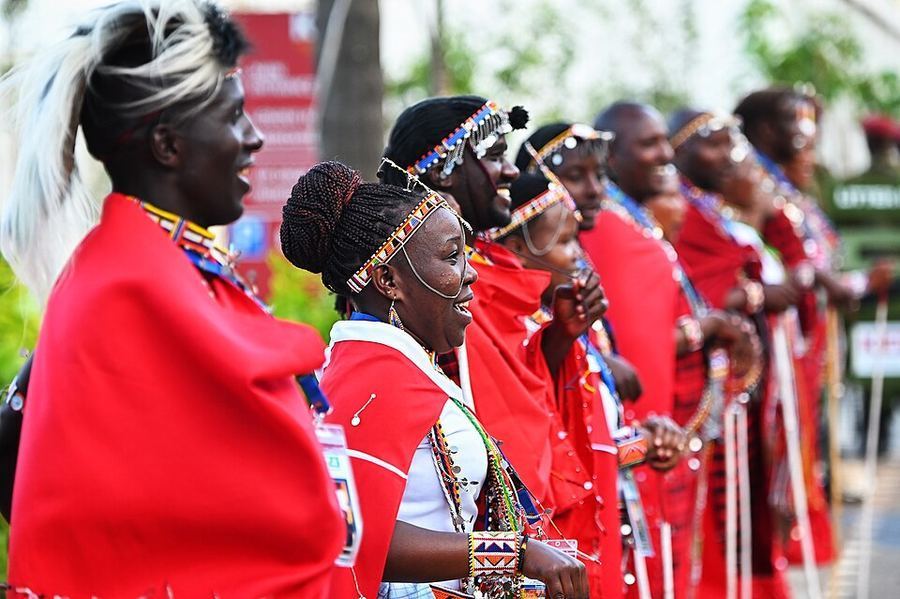
Kenya is a presidential republic of some 55 million people on the eastern shoulder of Africa, running from a coral-fringed Indian Ocean coast through arid rangeland to the highlands and the Great Rift Valley, and westward to the shore of Lake Victoria. It is the economic and logistical hub of East Africa: the port of Mombasa serves landlocked Uganda, Rwanda, South Sudan and eastern Democratic Republic of the Congo, and Nairobi is the region's centre for finance, aviation, media and the international aid and diplomatic community, hosting the only United Nations headquarters in the global South. Independence from the United Kingdom came on 12 December 1963 after the Mau Mau rebellion and a decade of emergency rule. The population is young, with a median age of about 21, and unusually plural: the Kikuyu, Luhya, Kalenjin, Luo, Kamba, Somali, Kisii, Mijikenda, Meru and Maasai are among more than forty recognised communities, and both English and Kiswahili are official. Roughly 85 percent of Kenyans identify as Christian and about 11 percent as Muslim, the latter concentrated on the coast and in the north-east. Tea, cut flowers, garments, gold and tropical fruit lead exports; the country also hosts more than 800,000 refugees, one of the largest such populations in Africa.
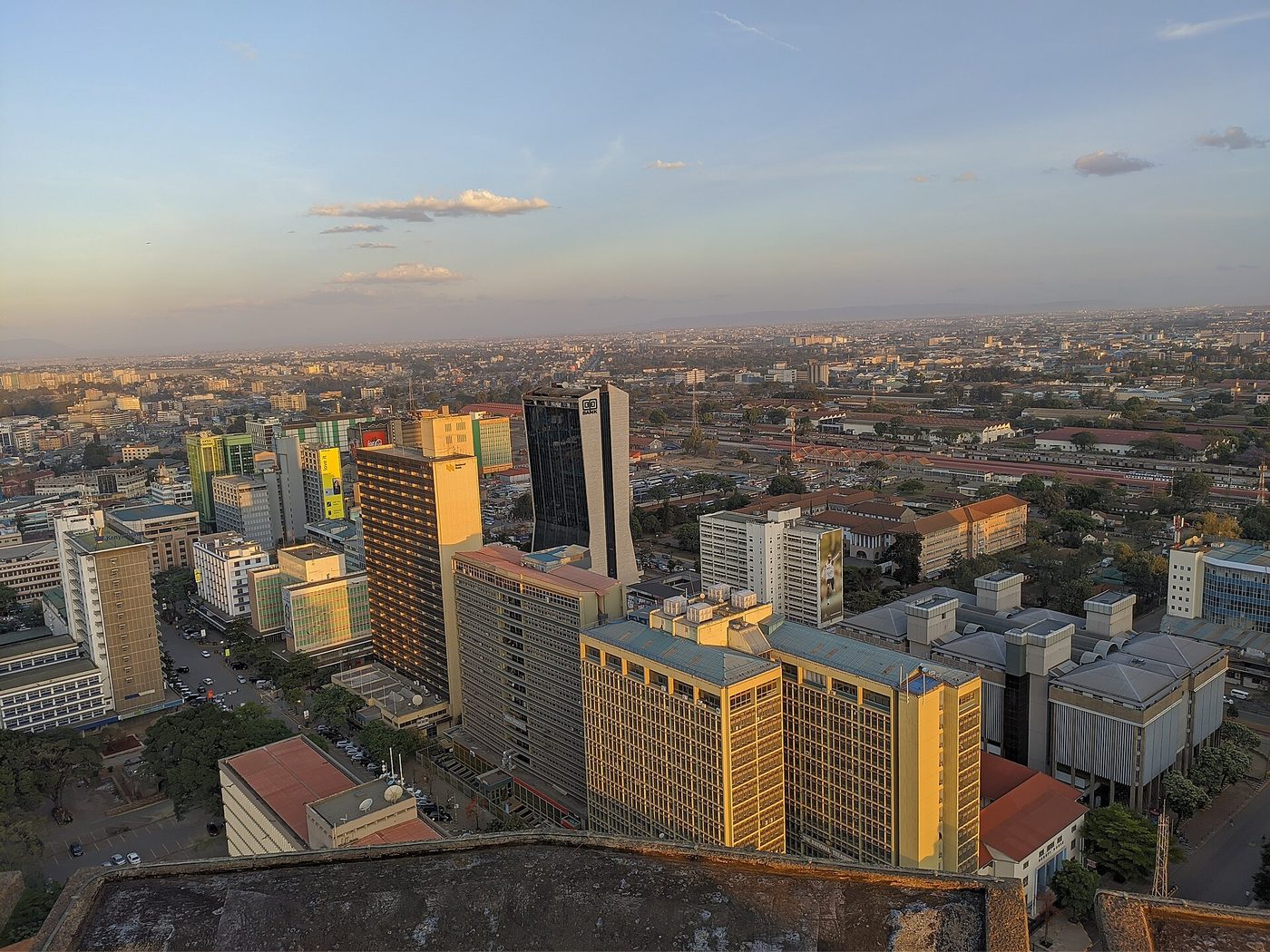
Nairobi's urban core is home to about 6,646,257 people.
That's bigger than Madrid, Toronto, Chicago and Sydney — each a great world city in its own right.
Among the world's megacities, though, it's one of many — the giants of Asia and Latin America run larger still:
More people live in Nairobi than in the entire nation of Denmark, Singapore, Finland or Norway.
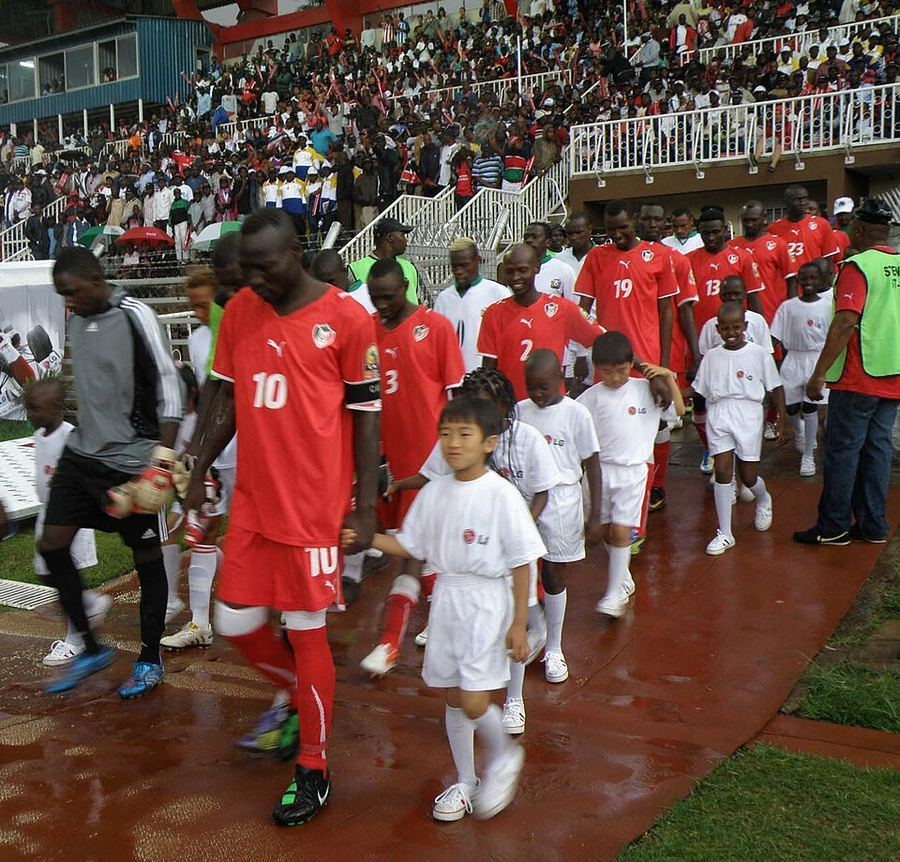
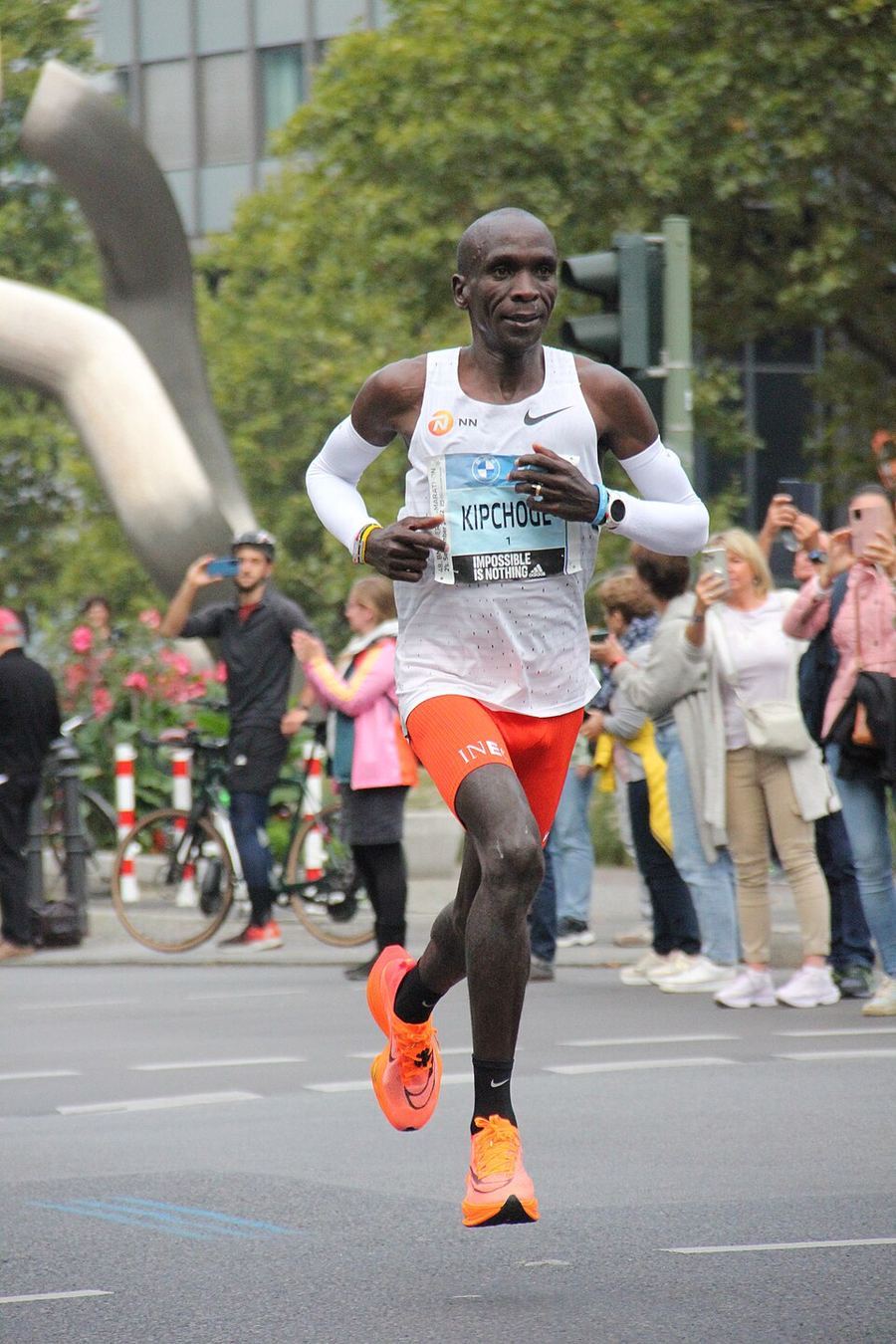
Kenya has won more Olympic medals than almost any other African nation, nearly all of them in athletics, and its record in the 800 metres, 1500 metres, 3000 metres steeplechase, 5000 metres, 10,000 metres and marathon is unmatched over the past half-century. Kipchoge Keino's 1500 metres gold in Mexico City in 1968, run against Jim Ryun at altitude, is the founding moment. David Rudisha's world record of 1:40.91 in the 800 metres at London 2012 is regarded as one of the greatest track performances recorded. Eliud Kipchoge won the Olympic marathon in Rio in 2016 and Tokyo in 2021 and in 2019 ran 1:59:40 over the marathon distance in a specially arranged event in Vienna, the first time a human covered it under two hours, though the conditions meant it was not ratified as a record. Kenyan women, including Faith Kipyegon and Peres Jepchirchir, have matched that record in recent Games and majors. Nairobi hosted the World Athletics Under-20 Championships in 2021, and the Safari Rally returned to the World Rally Championship calendar in the same year.
Presidential republic
William Ruto — PresidentUDA
In office since 13 September 2022
Bicameral
Senate — Kenya Kwanza Alliance largest party
Kenya Kwanza Alliance 33 · Azimio la Umoja - One Kenya Coalition Party 32 · Other 1
Last election 8/9/2022 · 31.3% women
National Assembly — UDA largest party
UDA 145 · ODM 86 · JP 28 · WDM-K 26 · Others 19 · Other 45
Last election 8/9/2022 · 23.4% women
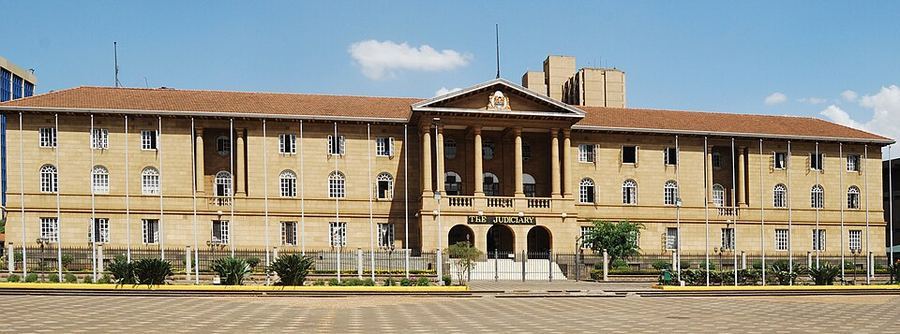
consists of chief and deputy chief justices and 5 judges
Kenyan Shilling — KES (Sh)
GDP (PPP): $328.632 billion (2024 est.)
Per capita: $5,800 (2024 est.)
$12.626 billion (2023 est.)
tea, cut flowers, garments, gold, tropical fruits (2023)
Partners: Uganda 10%, USA 10%, UAE 8%, Netherlands 8%, Pakistan 6% (2023)
$22.046 billion (2023 est.)
refined petroleum, palm oil, wheat, plastics, garments (2023)
Partners: China 22%, UAE 14%, India 10%, Saudi Arabia 5%, Malaysia 4% (2023)
Type: presidential republic
Independence: 12 December 1963 (from the UK)
How mountains, coasts, and rivers shape settlement (LandScan).
Coming — dataWhere groups settled and how people move (GeoEPR + UNHCR).
Coming — dataNotable institutions, mappable as points.
Coming — data