History
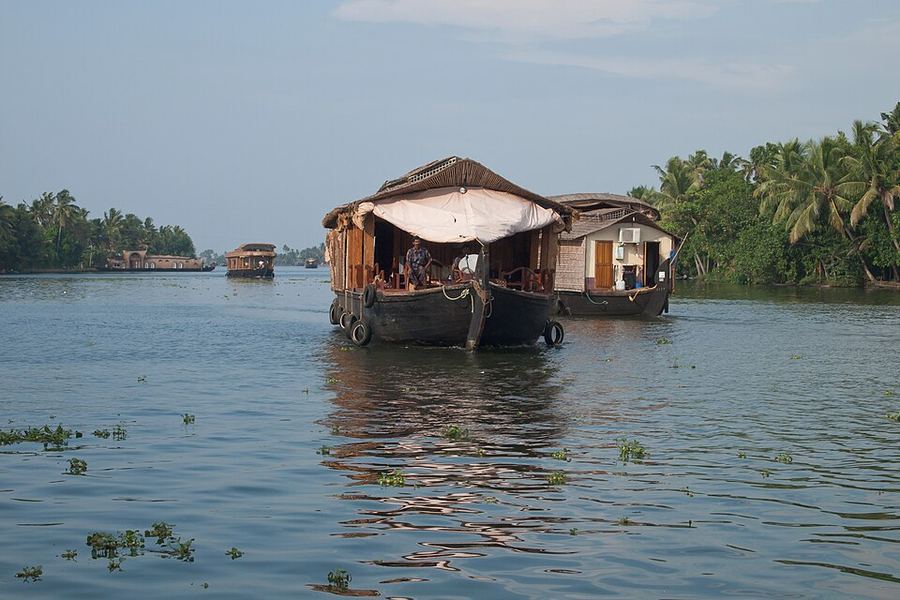
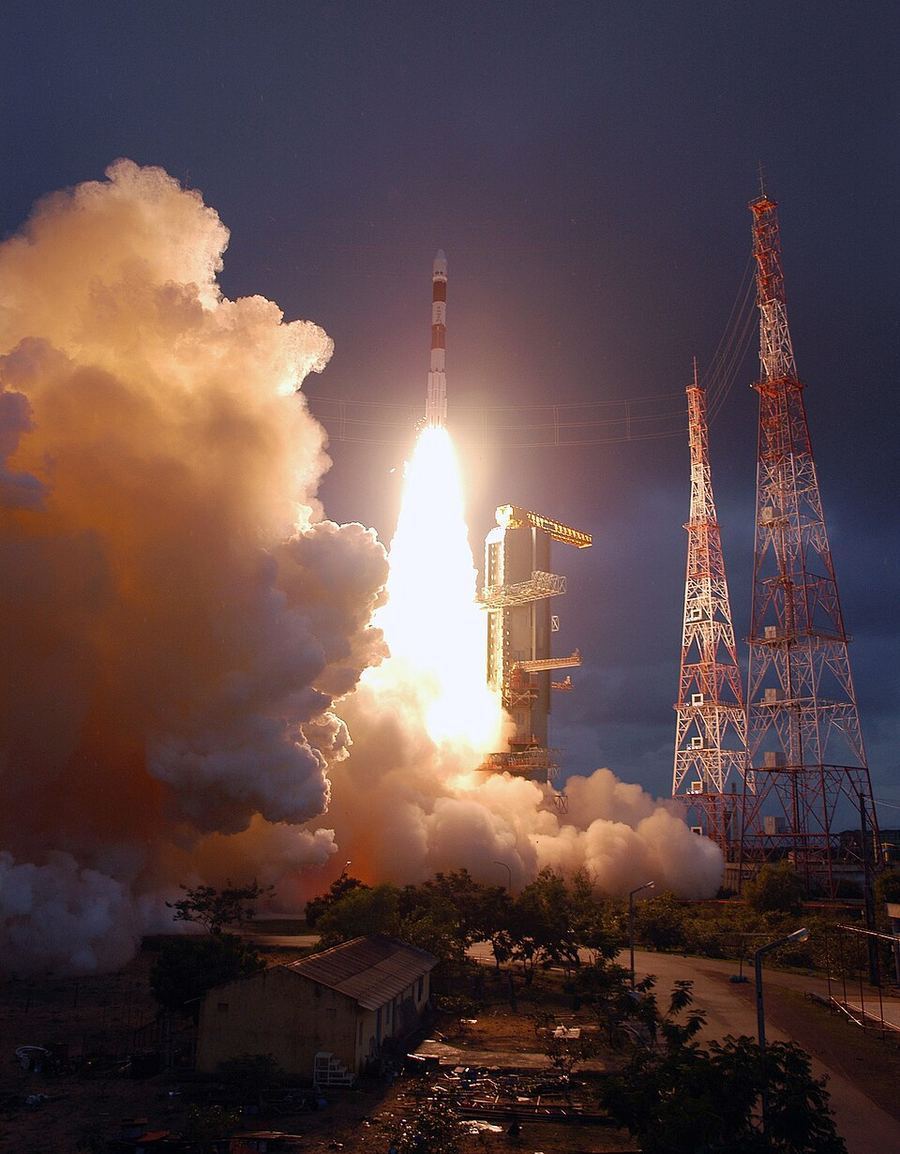
India is the world's most populous country — roughly 1.42 billion people by 2025 estimates — and its largest democracy, a federal parliamentary republic governed from New Delhi. Independent since 15 August 1947, it compresses staggering diversity into a single constitutional frame: Hindi and English serve as link languages atop a constellation that includes Bengali, Marathi, Telugu, Tamil, Gujarati, Urdu and hundreds more, while Hindus (79.8%), Muslims (14.2%), Christians, Sikhs, Buddhists and Jains share the same map. The economy, valued at about $14.2 trillion in purchasing-power terms, ranks among the world's largest and fastest-growing, exporting refined petroleum, packaged medicines, cut diamonds and garments while importing crude oil, gold and integrated circuits. With a median age of just 30.1 years, India fields one of the youngest big-country workforces on Earth — a demographic dividend powering its software hubs in Bengaluru and Hyderabad, its film studios in Mumbai, and a space program that has reached the Moon and Mars. From Himalayan glaciers to tropical Kerala backwaters, it is less a country than a continent that votes.
New Delhi's urban core is home to about 31,422,508 people.
That's bigger than London, Paris, Madrid and Toronto — each a great world city in its own right.
Among the world's megacities, though, it's one of many — the giants of Asia and Latin America run larger still:
More people live in New Delhi than in the entire nation of Sweden, Greece, Portugal or Israel.
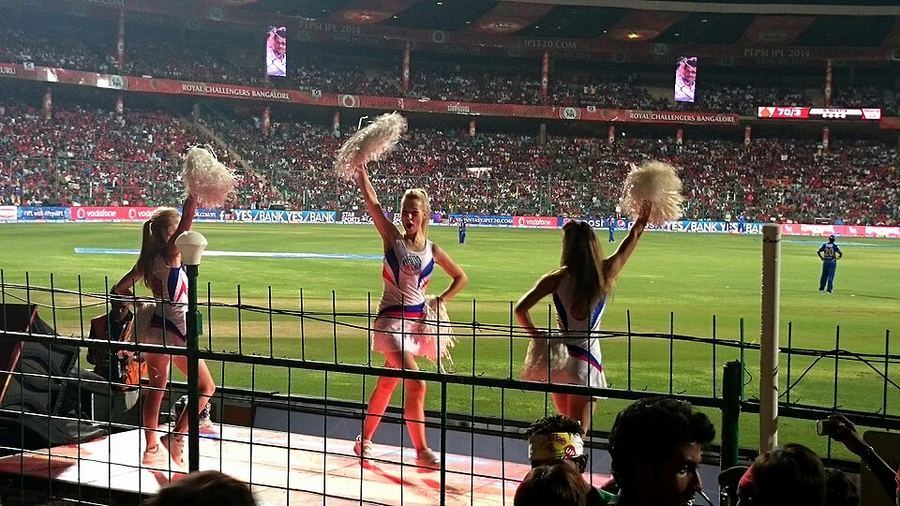
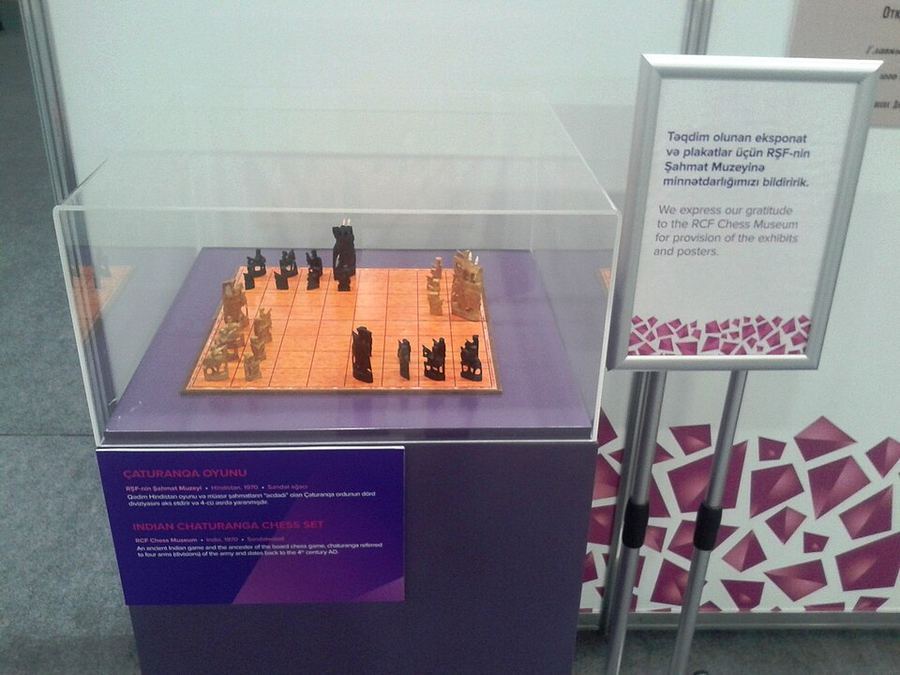
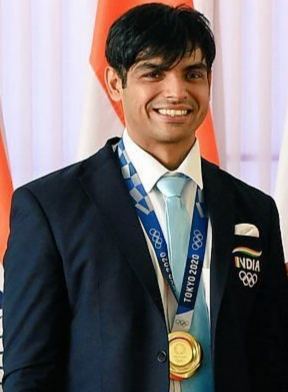
India's Olympic story opened with field hockey: eight gold medals, including six consecutive from Amsterdam 1928 to Melbourne 1956, when the wizardry of Dhyan Chand made the team untouchable. Individual gold waited until Abhinav Bindra's 10-meter air rifle title at Beijing 2008; javelin thrower Neeraj Chopra followed at Tokyo 2020 — India's first athletics gold — then added the 2023 world championship and silver at Paris. Badminton's P. V. Sindhu won a world title and two Olympic medals; wrestlers Sushil Kumar and Sakshi Malik, six-time world champion boxer Mary Kom, and shooter Manu Bhaker, with two bronzes at Paris 2024, broadened the base. Cricket is where India rules outright: World Cup wins in 1983 and 2011, T20 titles in 2007 and 2024, and the 2025 Champions Trophy, while the IPL ranks among the world's most valuable sports leagues. In chess, Viswanathan Anand's five crowns preceded D. Gukesh's 2024 world title at eighteen, and India has formally signaled its ambition to host the 2036 Olympic Games.
Federal parliamentary republic
Droupadi Murmu — PresidentBJP
In office since 25 July 2022
Narendra Modi — Prime Minister
Bicameral
Council of States (Rajya Sabha) — 245 seats
Last election 1/12/2024 to 6/30/2024 · 16.7% women
House of the People (Lok Sabha) — BJP largest party
BJP 240 · INC 99 · SP 37 · AITC 29 · Other 138
Last election 4/19/2024 to 6/1/2024 · 13.8% women
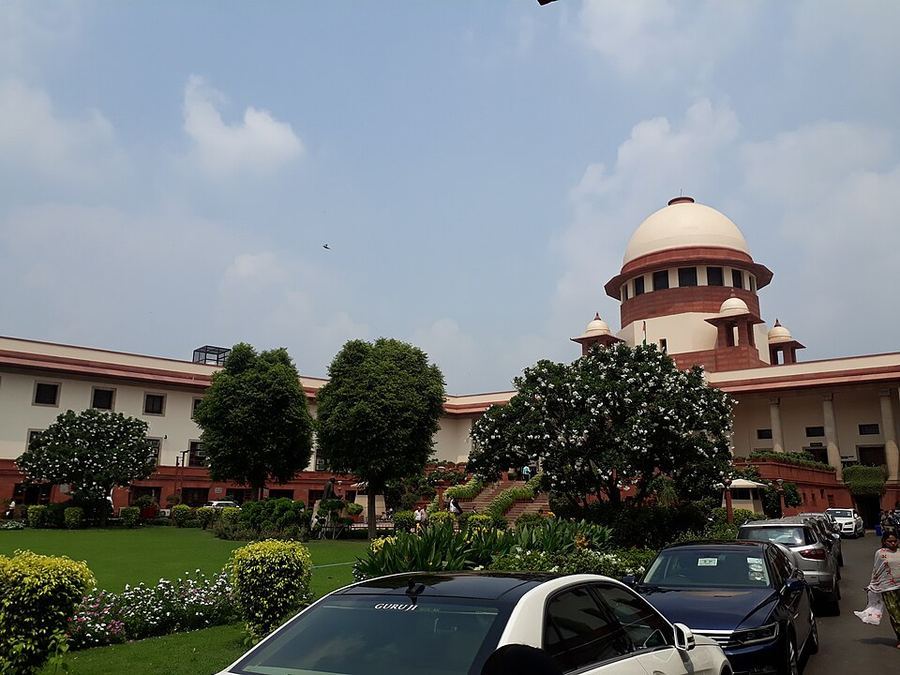
consists of 28 judges, including the chief justice
Indian Rupee — INR (₹)
GDP (PPP): $14.244 trillion (2024 est.)
Per capita: $9,800 (2024 est.)
$822.046 billion (2024 est.)
refined petroleum, packaged medicine, diamonds, broadcasting equipment, garments (2023)
Partners: USA 19%, UAE 7%, China 4%, Germany 3%, UK 3% (2023)
$923.081 billion (2024 est.)
crude petroleum, gold, coal, natural gas, integrated circuits (2023)
Partners: China 19%, Russia 10%, USA 6%, UAE 6%, Saudi Arabia 5% (2023)
Type: federal parliamentary republic
Independence: 15 August 1947 (from the UK)
How mountains, coasts, and rivers shape settlement (LandScan).
Coming — dataWhere groups settled and how people move (GeoEPR + UNHCR).
Coming — dataNotable institutions, mappable as points.
Coming — data