History
Guatemala is a presidential republic of about 18.3 million people at the northern end of Central America, bordering Mexico, Belize, Honduras and El Salvador and reaching both the Pacific and, along a short stretch, the Caribbean. It is the most populous country in Central America and the one with the largest Indigenous population: Maya peoples make up close to 42% of the population, alongside a Ladino or mestizo majority of about 56% and smaller Xinca and Garifuna communities. Twenty-two Maya languages are spoken — Q'eqchi', K'iche', Mam and Kaqchikel the largest — beside Spanish, which is official and spoken by about 70% as a first language. Guatemala City, the capital, is Central America's largest urban area, sitting in a highland valley ringed by volcanoes. Independence from Spain came on 15 September 1821. The country's modern history is dominated by the 1954 coup that ended a decade of reform and by a civil war from 1960 to 1996 in which some 200,000 people were killed, most of them Indigenous civilians. Its economy, about $233 billion in purchasing-power terms, rests on garments, bananas, coffee, palm oil and sugar, and on remittances from a very large diaspora in the United States.
Guatemala City's urban core is home to about 2,962,499 people.
That's bigger than Rome and Amsterdam — each a great world city in its own right.
Among the world's megacities, though, it's one of many — the giants of Asia and Latin America run larger still:
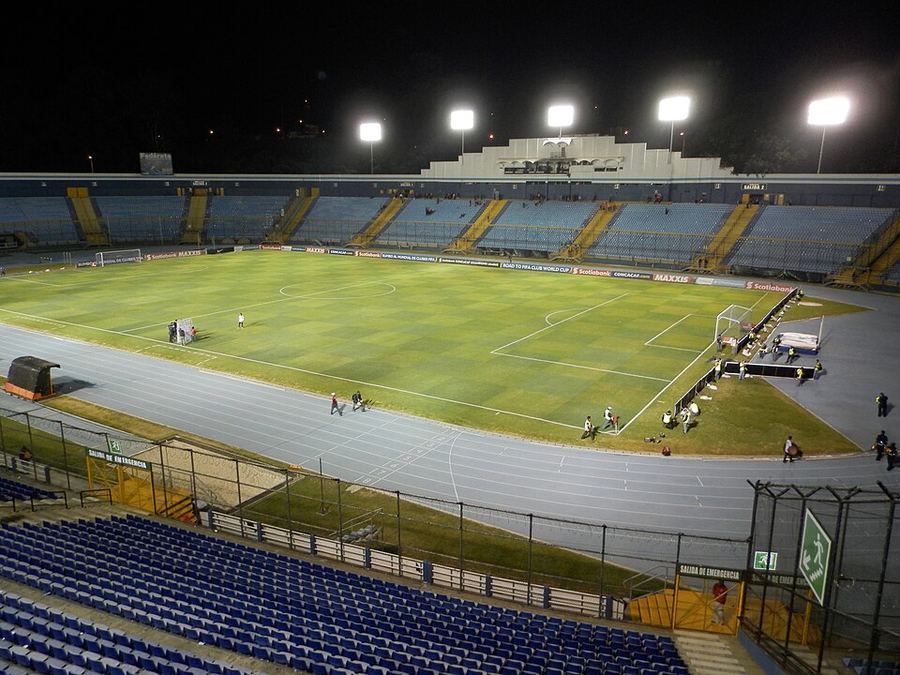
Guatemala's Olympic record was long defined by a single medal: Erick Barrondo's silver in the 20-kilometre race walk at London in 2012, the country's first ever, which made him a national figure and confirmed race walking as the discipline where Guatemalan athletes compete at the highest level — the country has also produced world-championship and world-race-walking-team medallists in the event. That record changed at the Paris Games in 2024, when Adriana Ruano won the women's trap to give Guatemala its first Olympic gold, and Jean Pierre Brol took bronze in the men's trap, making shooting the country's second international strength. In football, Guatemala is a regular in CONCACAF competition and has appeared repeatedly at the Gold Cup, and it hosted the FIFA futsal world championship in 2000. Guatemalan athletes compete at the Pan American Games and dominate the Central American Games, which the country has hosted. The Vuelta a Guatemala draws professional teams from across the Americas and Europe. The country's Olympic committee was for a period suspended by the International Olympic Committee over governance disputes, forcing athletes to compete under a neutral flag before the suspension was lifted.
Presidential republic
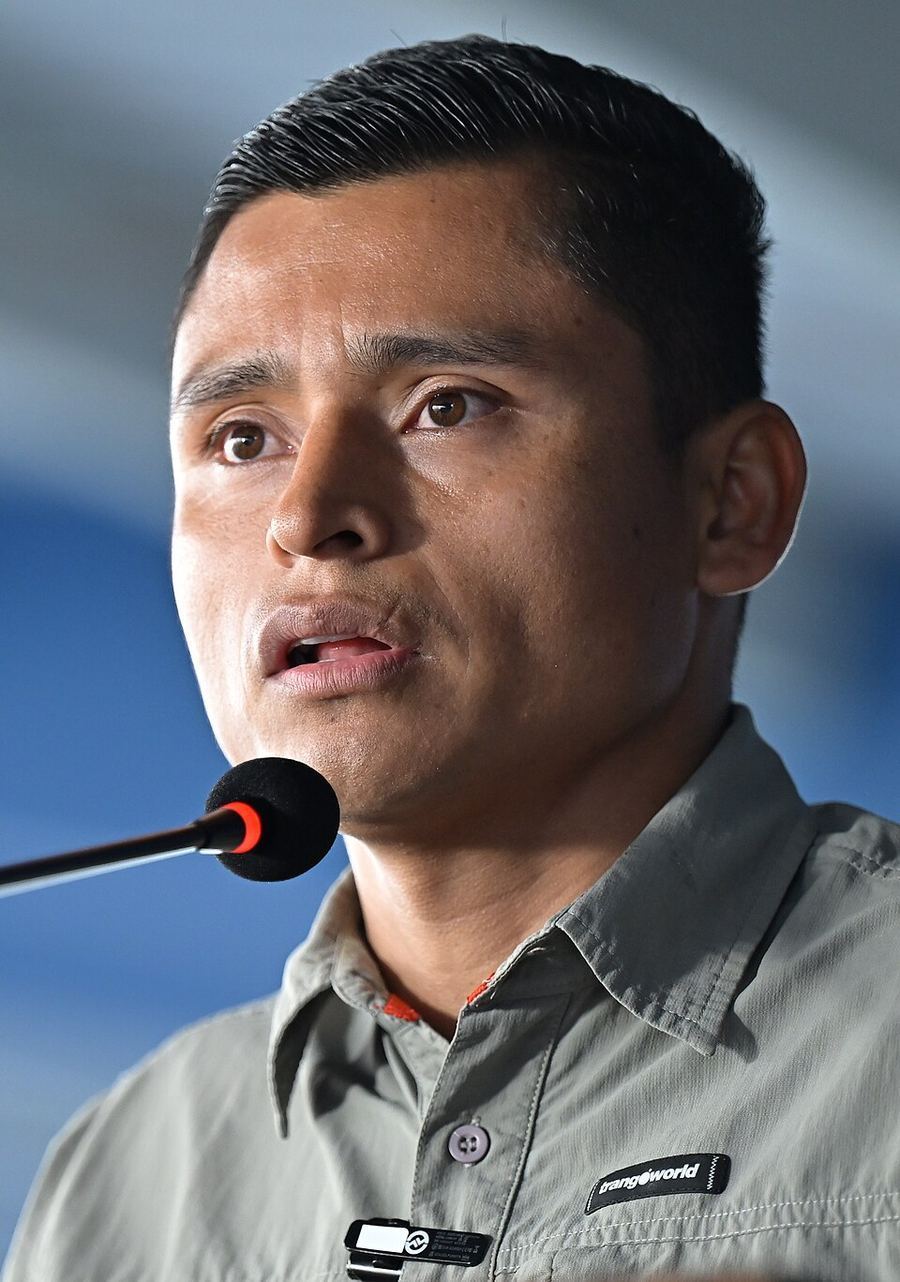
Bernardo Arévalo de León — President
In office since 15 January 2024
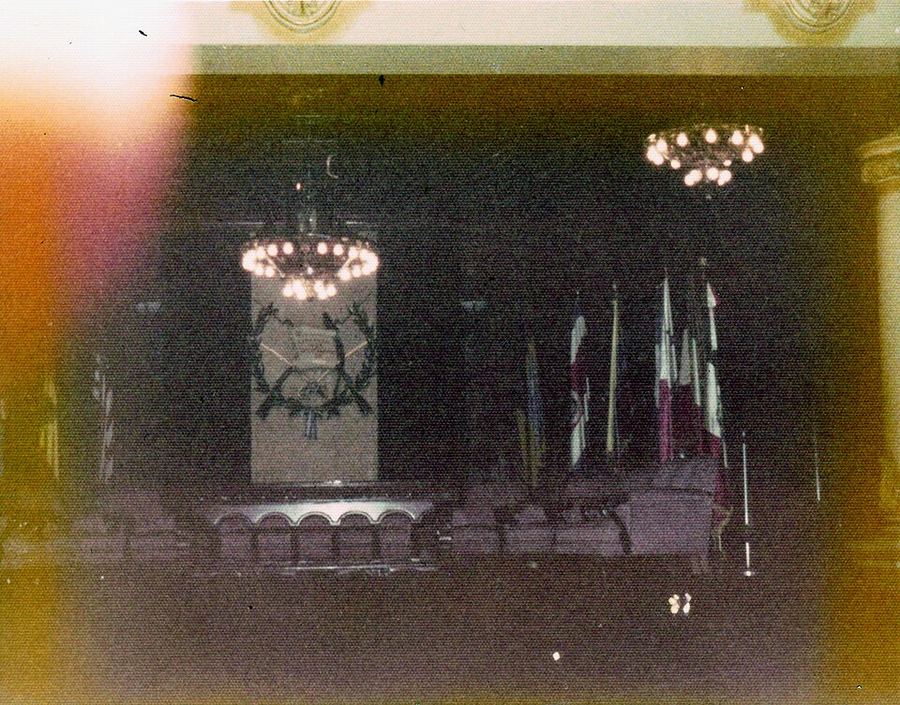
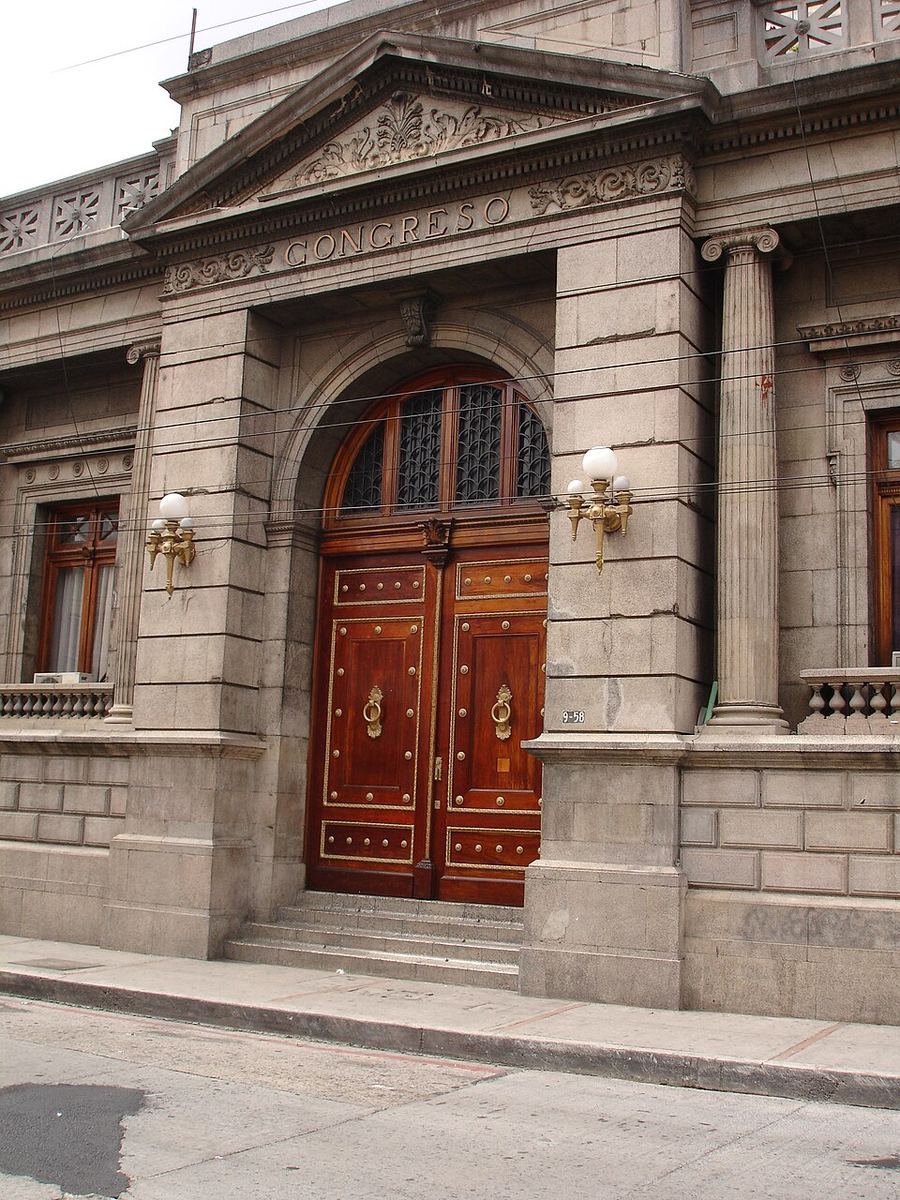
Unicameral
Composition — Vamos largest party
Vamos 39 · UNE 28 · Semilla 23 · Cabal 18 · VIVA 11 · Other 41
Last election 6/25/2023 · 20% women
consists of 13 magistrates, including the court president and organized into 3 chambers
Quetzal — GTQ (Q)
GDP (PPP): $232.673 billion (2024 est.)
Per capita: $12,600 (2024 est.)
$17.997 billion (2024 est.)
garments, bananas, coffee, palm oil, raw sugar (2023)
Partners: USA 33%, El Salvador 11%, Honduras 9%, Nicaragua 6%, Mexico 4% (2023)
$35.576 billion (2024 est.)
refined petroleum, video displays, cars, trucks, packaged medicine (2023)
Partners: USA 30%, China 19%, Mexico 11%, El Salvador 4%, Costa Rica 3% (2023)
Type: presidential republic
Independence: 15 September 1821 (from Spain)
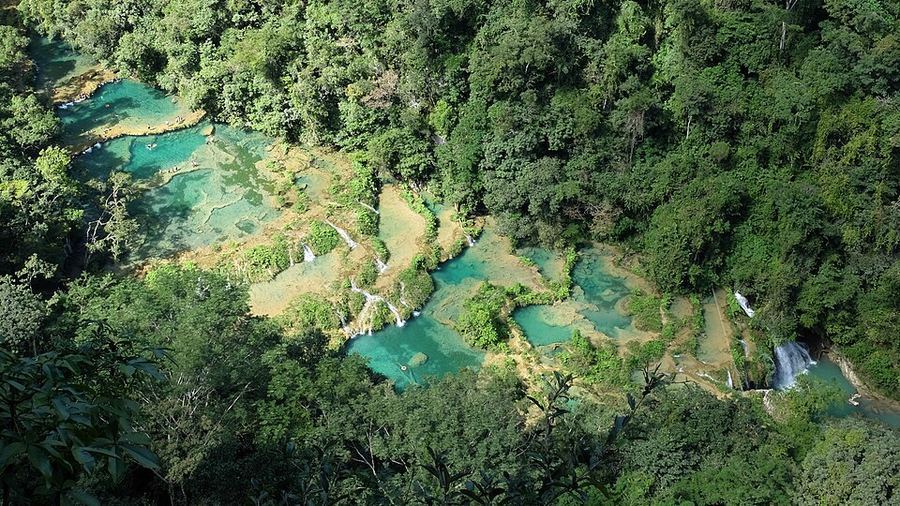
How mountains, coasts, and rivers shape settlement (LandScan).
Coming — dataWhere groups settled and how people move (GeoEPR + UNHCR).
Coming — dataNotable institutions, mappable as points.
Coming — data