History
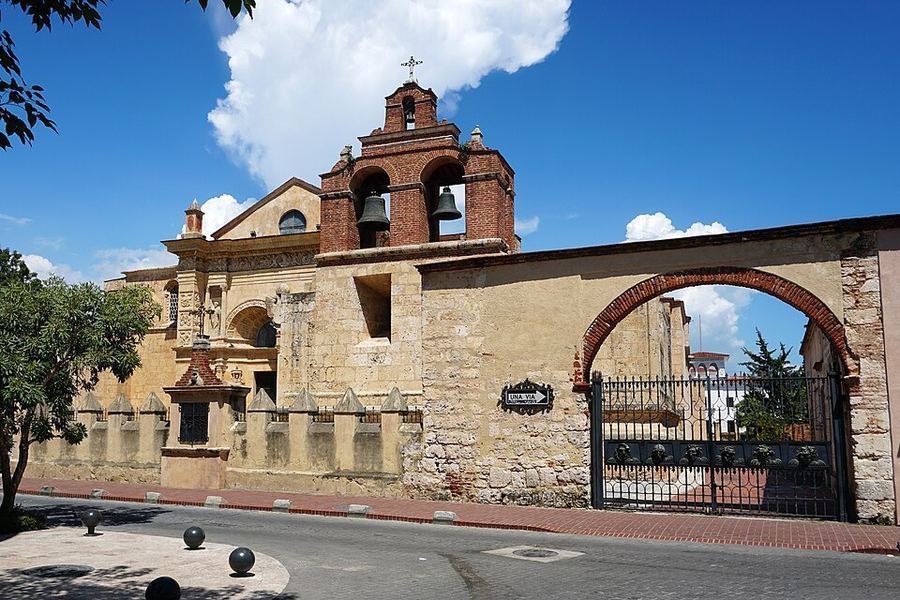
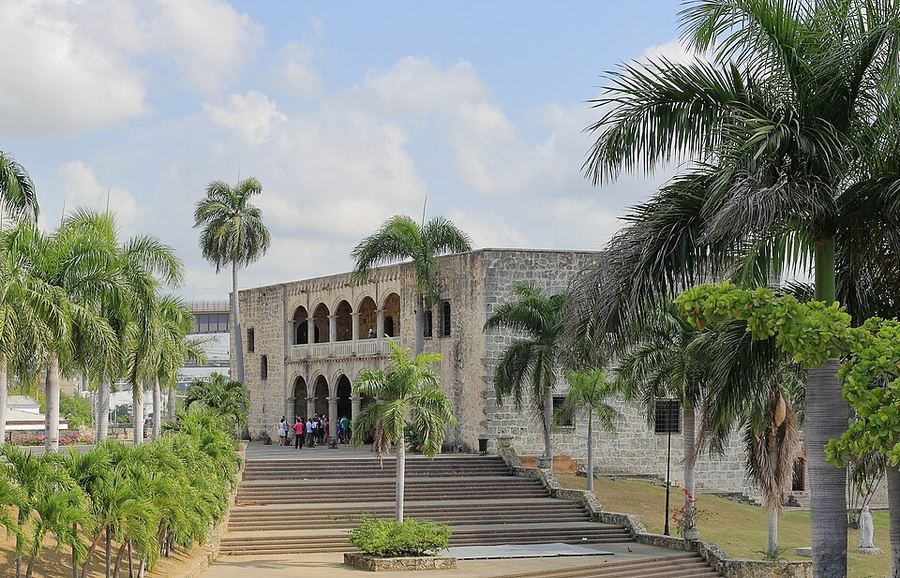
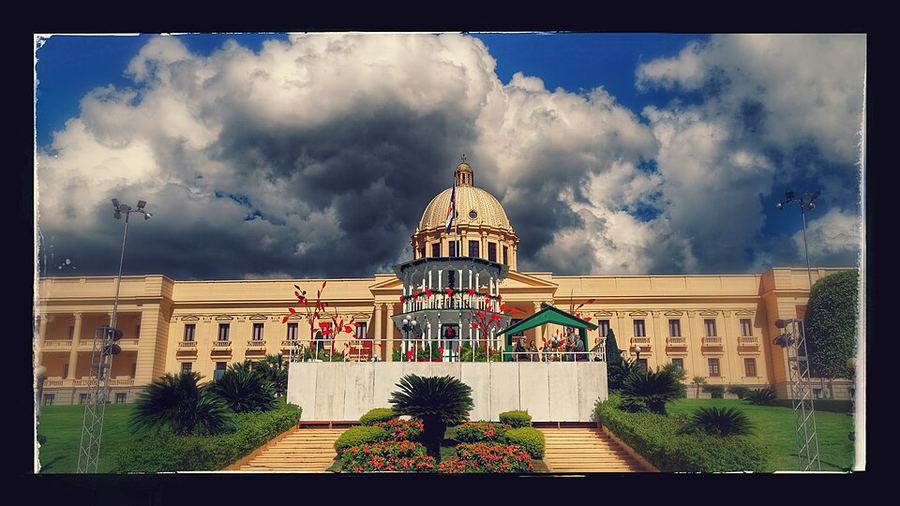
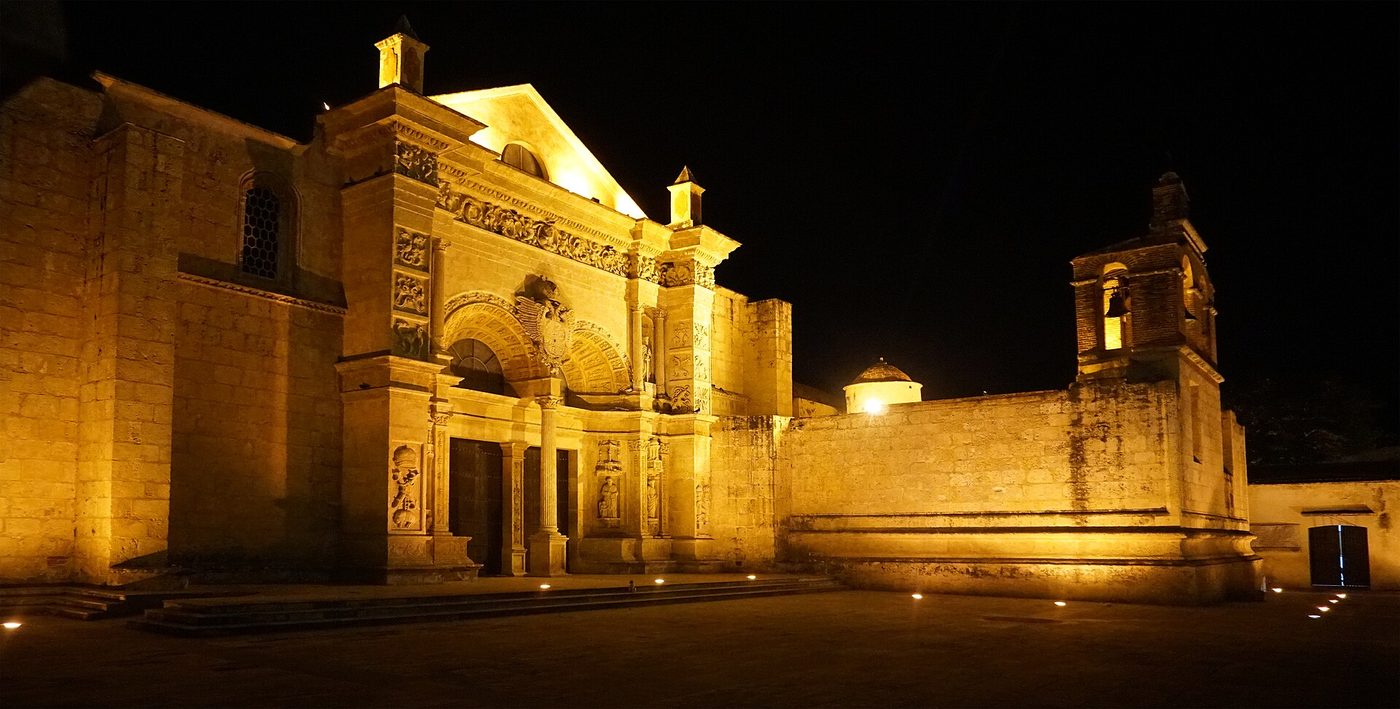
The Dominican Republic occupies the eastern two-thirds of Hispaniola, the island it shares with Haiti, and is home to about 10.9 million people. Santo Domingo, its capital, was founded in the 1490s and is the oldest continuously inhabited European settlement in the Americas; its colonial quarter holds the first cathedral, the first university and the first hospital built in the New World, and has been a UNESCO World Heritage site since 1990. Independence is dated to 27 February 1844, when the country broke away not from a European power but from Haiti, which had ruled the whole island for twenty-two years. It is a presidential republic and, by output, the largest economy in the Caribbean and Central America, built on tourism, free-trade-zone manufacturing of medical instruments, gold from one of the world's larger mines, premium cigars, organic cocoa and remittances from a very large diaspora in the United States, which takes 52% of its exports. Spanish is the sole official language, and religious affiliation has shifted markedly, with Evangelical Protestants now recorded at 50.2% against 30.1% Roman Catholic.
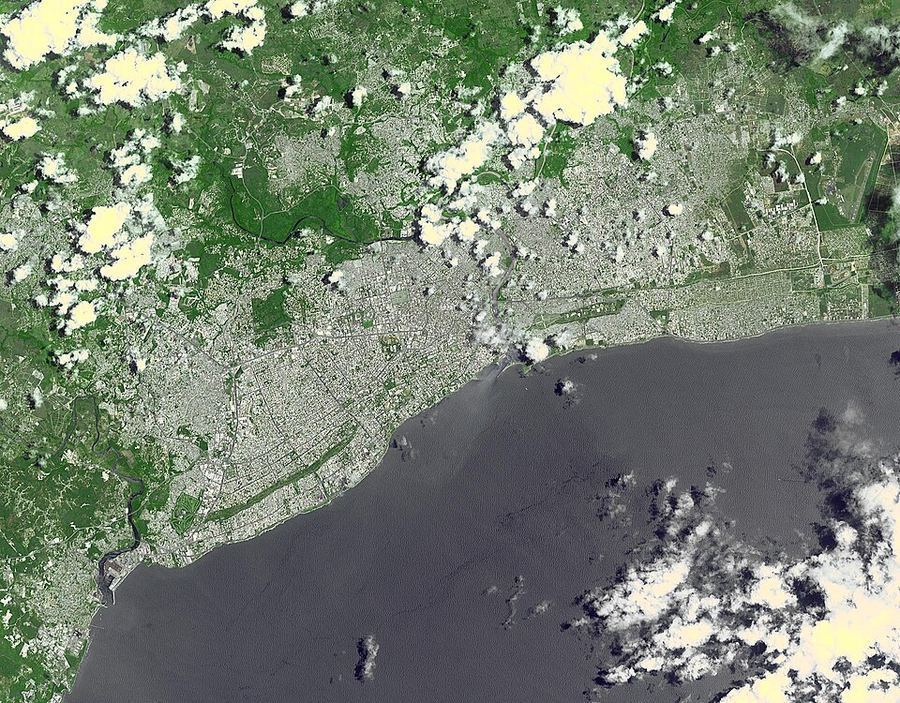
Santo Domingo's urban core is home to about 4,593,164 people.
That's bigger than Sydney, Barcelona, Berlin and Rome — each a great world city in its own right.
Among the world's megacities, though, it's one of many — the giants of Asia and Latin America run larger still:
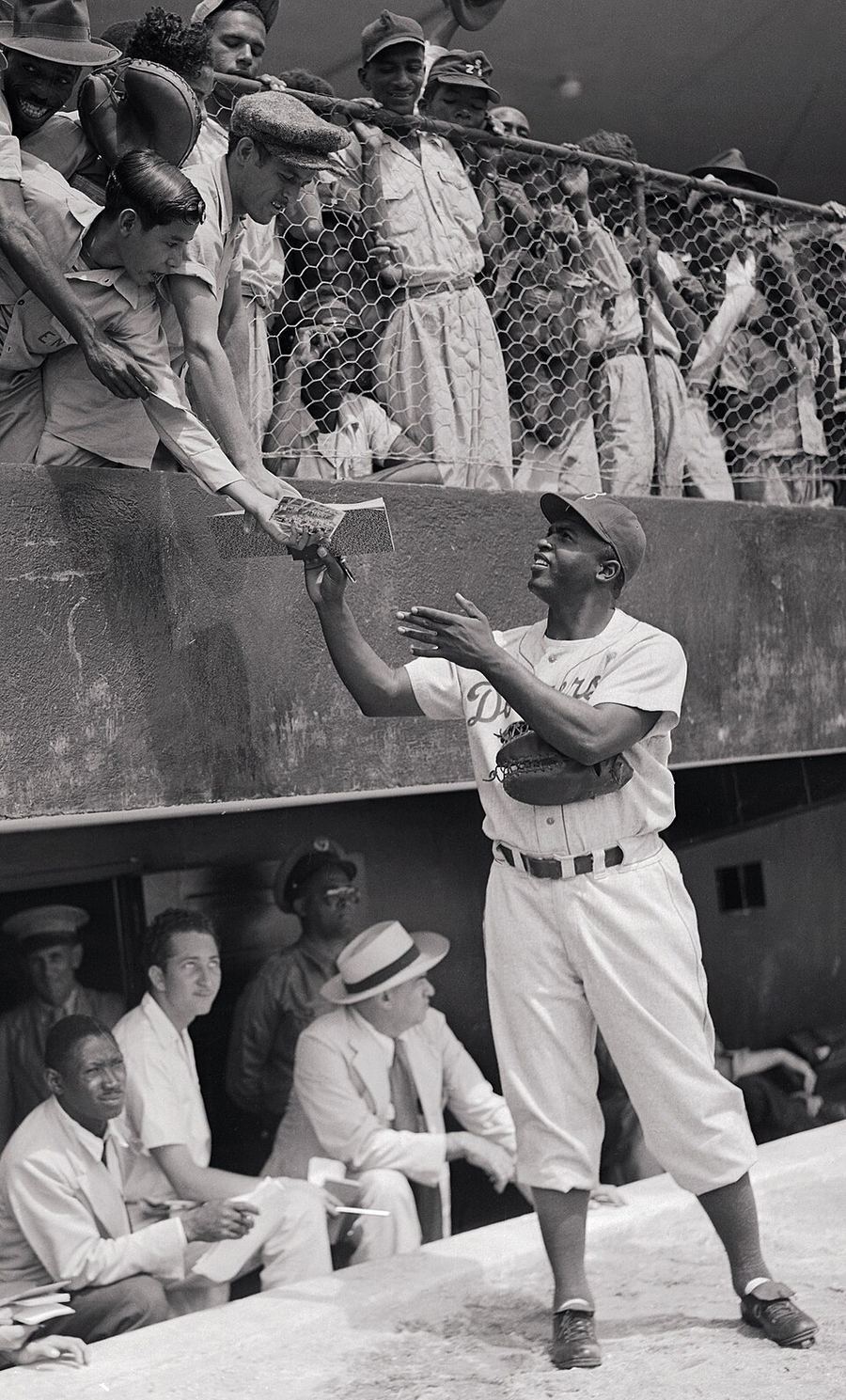
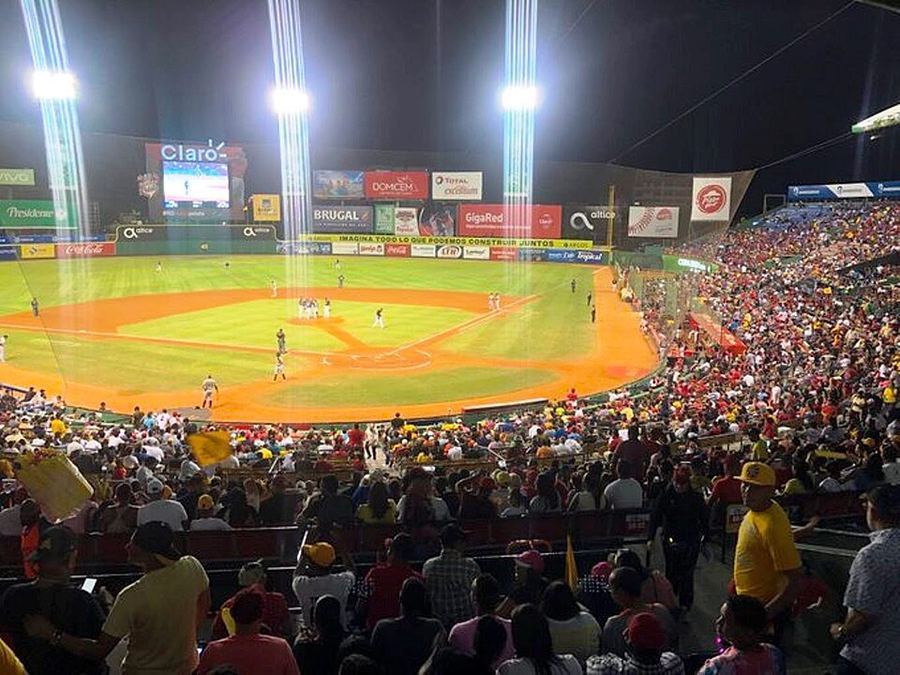
The country's global sporting identity is baseball. It supplies more major league players than any nation outside the United States, and its alumni include the Hall of Fame members Juan Marichal, Pedro Martínez, Vladimir Guerrero, David Ortiz and Adrián Beltré, alongside Albert Pujols, Sammy Sosa and Juan Soto; Ozzie Virgil Sr. broke through as the first Dominican in the major leagues in 1956. The national team went unbeaten through the 2013 World Baseball Classic to win the title. In athletics, Félix Sánchez won the Olympic 400 metres hurdles at Athens in 2004 and won it again eight years later in London, and Marileidy Paulino took silver in the 400 metres at Tokyo before winning the world title in 2023 and Olympic gold in Paris in 2024 in an Olympic record of 48.17 seconds. Dominican taekwondo has produced Olympic medals through Gabriel Mercedes and Luisito Pie, and Dominican players are increasingly visible in the NBA.
Presidential republic
Luis Rodolfo Abinader Corona — President
In office since 16 August 2020
Bicameral
Senate (Senado) — Modern Revolutionary Party (PRM) and its allies majority
Modern Revolutionary Party (PRM) and its allies 24 · People’s Force (FP) and its allies 3 · Other 5
Last election 5/19/2024 · 12.5% women
Chamber of Deputies (Cámara de Diputados) — Modern Revolutionary Party (PRM) and its allies majority
Modern Revolutionary Party (PRM) and its allies 146 · People’s Force (FP) and its allies 28 · Other 16
Last election 5/19/2024 · 37.4% women
consists of a minimum of 16 magistrates); Constitutional Court or Tribunal Constitucional (consists of 13 judges
Dominican Peso — DOP ($)
GDP (PPP): $276.884 billion (2024 est.)
Per capita: $24,200 (2024 est.)
$28.563 billion (2024 est.)
medical instruments, tobacco, gold, garments, power equipment (2023)
Partners: USA 52%, Switzerland 7%, Haiti 6%, China 5%, India 3% (2023)
$36.144 billion (2024 est.)
refined petroleum, cars, natural gas, plastic products, crude petroleum (2023)
Partners: USA 40%, China 18%, Brazil 4%, Spain 4%, Mexico 3% (2023)
Type: presidential republic
Independence: 27 February 1844 (from Haiti)
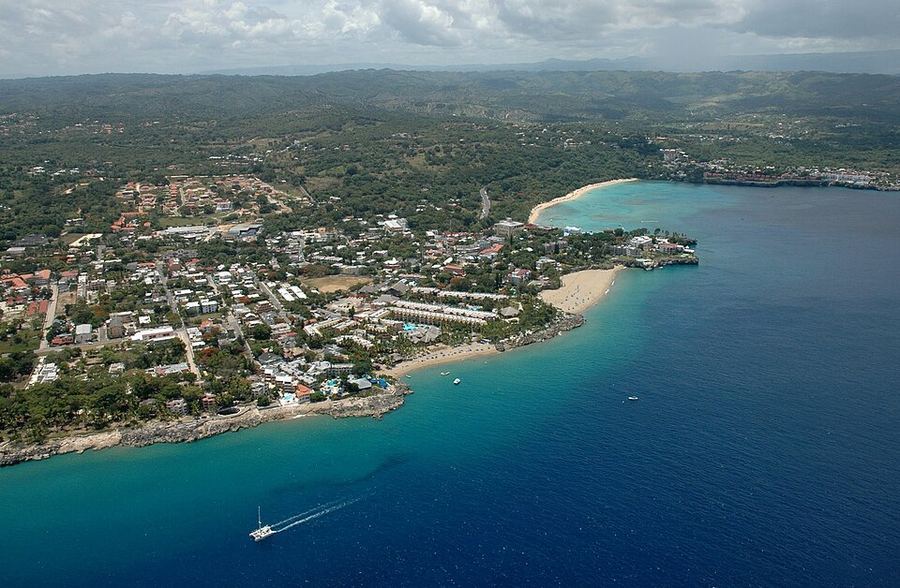
How mountains, coasts, and rivers shape settlement (LandScan).
Coming — dataWhere groups settled and how people move (GeoEPR + UNHCR).
Coming — dataNotable institutions, mappable as points.
Coming — data