HERA · Human Entity Reference Atlas by Masego Inc

← Denmark
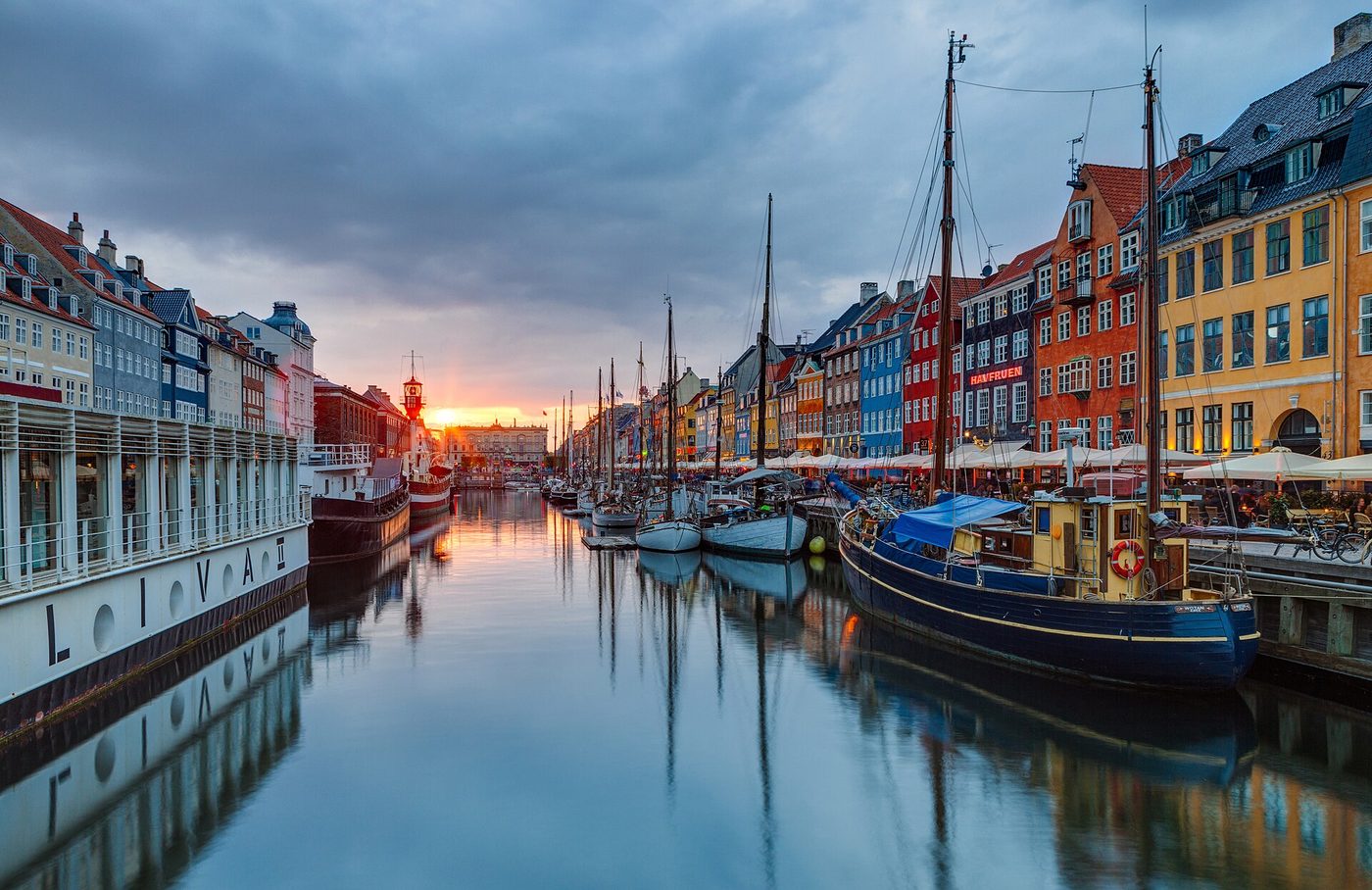
2018 - Nyhavn on sunset, Denmark
Denmark DNK
2018 - Nyhavn on sunset — Photo: Moahim / CC BY-SA 4.0 via Wikimedia Commons
Did You Know Denmark's flag, the Dannebrog, is regarded as the oldest state flag still in continuous use — legend holds it fell from the sky during a battle in Estonia in 1219. — Encyclopaedia Britannica

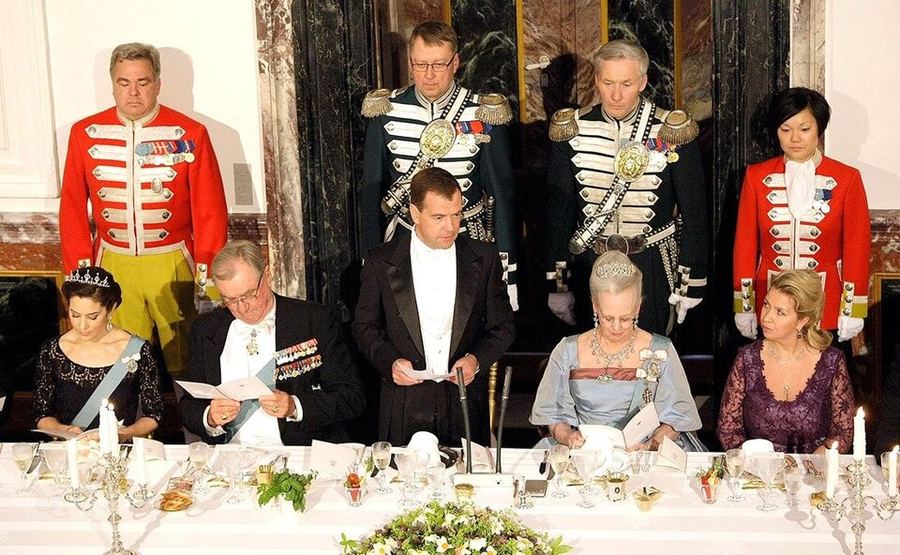
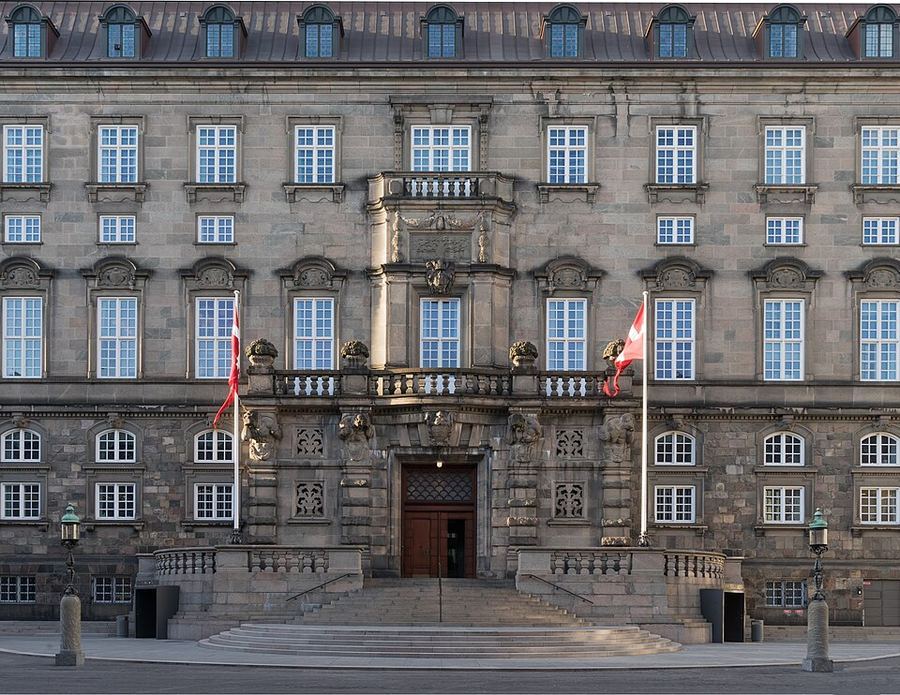
Denmark occupies the Jutland peninsula and an archipelago of more than 400 islands wedged between the North and Baltic Seas — a small nation of about six million people (6,038,638 at Statistics Denmark's September 2026 count) that punches far above its weight in design, food, wind power, and quality-of-life rankings. Its capital, Copenhagen, sprawls across the islands of Zealand and Amager, a short bridge-and-tunnel ride from Sweden. The state is a parliamentary constitutional monarchy whose royal line reaches back more than a millennium, making it one of the oldest monarchies in the world; King Frederik X has reigned since January 2024. The general election of 24 March 2026 handed Mette Frederiksen's Social Democrats their worst result since 1903 — 38 of 179 seats — yet after a record 69-day negotiation she returned in early June 2026 at the head of a four-party centre-left minority coalition with the Green Left, the Moderates and the Social Liberals, the first Danish cabinet with a female majority. The Kingdom of Denmark is larger than the country itself: it also comprises the autonomous territories of Greenland — the world's largest island — and the Faroe Islands in the North Atlantic. A wealthy, export-driven economy (GDP per capita around $73,700) ships pharmaceuticals, pork, and fish to the world, with Germany, the United States, and Sweden as its top customers; unemployment stood at 3.1 percent in August 2026 and consumer-price inflation at 2.2 percent in September. And year after year, Denmark lands at or near the top of the UN World Happiness Report — a statistic Danes tend to greet with a characteristic shrug and a fresh pot of coffee.

CIA World FactbookUNEncyclopaedia Britannicanational statistics officeReuters
Population
6,051,491
Capital
Copenhagen
Currency
kr DKK
Time zones
1
Largest city
Copenhagen

Local Time

Copenhagen
—

Human Geography Themes

Loading national figures…

Largest Cities

Copenhagen1,258,202
Aarhus252,649
Odense147,088
Aalborg101,029
Greve Strand80,685

In Perspective

Copenhagen's urban core is home to about 1,258,202 people.

That's bigger than Amsterdam — each a great world city in its own right.

Copenhagen1,258,202
Amsterdam1,223,407

Among the world's megacities, though, it's one of many — the giants of Asia and Latin America run larger still:

Copenhagen1,258,202
Jakarta40,545,126
Dhaka37,307,160
Tokyo33,244,670
Shanghai30,678,616
Cairo25,230,325

The Country & Its People

History

Denmark's story begins in earnest with the Vikings, whose longships carried Danish raiders, traders, and settlers to England, Ireland, and Normandy — the Danelaw in England and the North Sea empire of King Cnut the Great were Danish projects. Around 965, King Harald 'Bluetooth' Gormsson unified the realm and converted it to Christianity, an achievement he boasted of on the great runic Jelling stones, now a UNESCO World Heritage site sometimes called 'Denmark's birth certificate.' Under Queen Margrete I, the Kalmar Union of 1397 joined Denmark, Norway, and Sweden under a single crown, and Denmark remained a major Scandinavian power for centuries before losing Norway in 1814 and the duchies of Schleswig and Holstein to Prussia in 1864. In 1849 an absolutist kingdom peacefully became a parliamentary constitutional monarchy with the signing of the June Constitution. Occupied by Nazi Germany in World War II, Denmark staged one of the war's most remarkable acts of collective courage: in October 1943, Danes ferried more than 7,000 Jews across the Øresund to safety in neutral Sweden. The postwar decades brought NATO founding membership in 1949, European Community accession in 1973, and home rule (1979) then expanded self-government (2009) for Greenland.
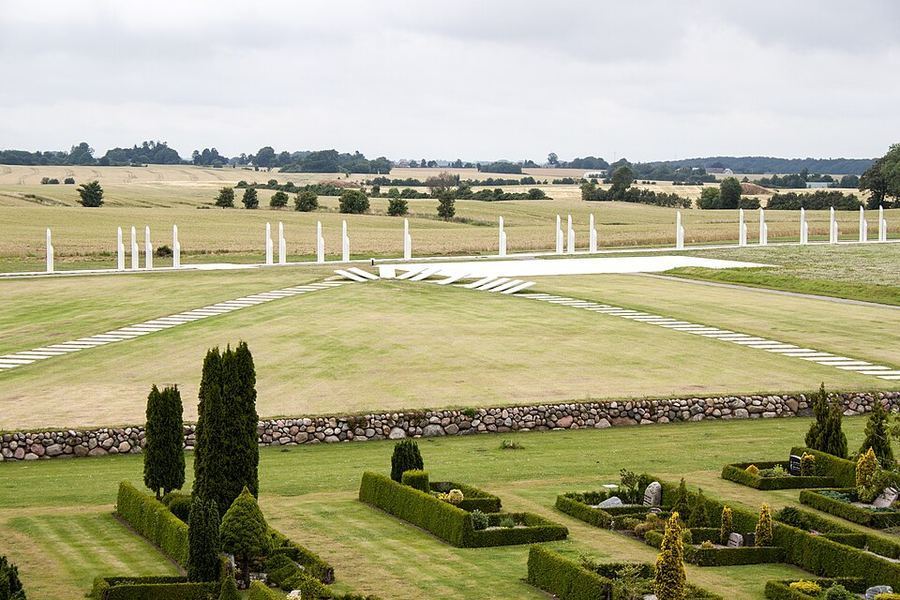
History, Denmark
Szilas / CC0

Culture

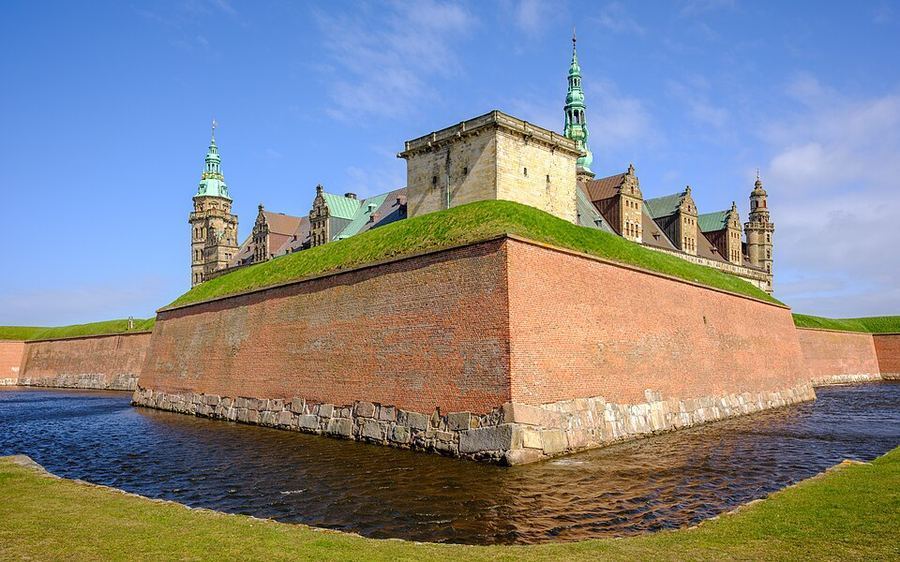
Danish culture is anchored by hygge — that famously untranslatable art of cozy, candlelit conviviality that Danes deploy against long winters and which Encyclopaedia Britannica describes as a defining feature of national life. The country's other great export is design: the clean-lined functionalism of Arne Jacobsen's Egg chair, Hans Wegner's furniture, Bang & Olufsen's audio equipment, and the humble LEGO brick all sprang from a Danish conviction that everyday objects should be both beautiful and useful. Copenhagen is one of the world's great cycling cities, where bicycles routinely outnumber cars in the morning commute across purpose-built bike bridges. The literary canon runs from Hans Christian Andersen's fairy tales and Søren Kierkegaard's existentialism to Karen Blixen's Out of Africa. In the 2000s Danish chefs launched the New Nordic cuisine movement — foraged, seasonal, fiercely local — with Copenhagen's Noma as its flagship, repeatedly named the world's best restaurant. Even Shakespeare paid tribute: Kronborg Castle at Helsingør, the model for Hamlet's Elsinore, is a UNESCO World Heritage site.
Culture, Denmark
ArildV / CC BY-SA 4.0

Points Of Pride

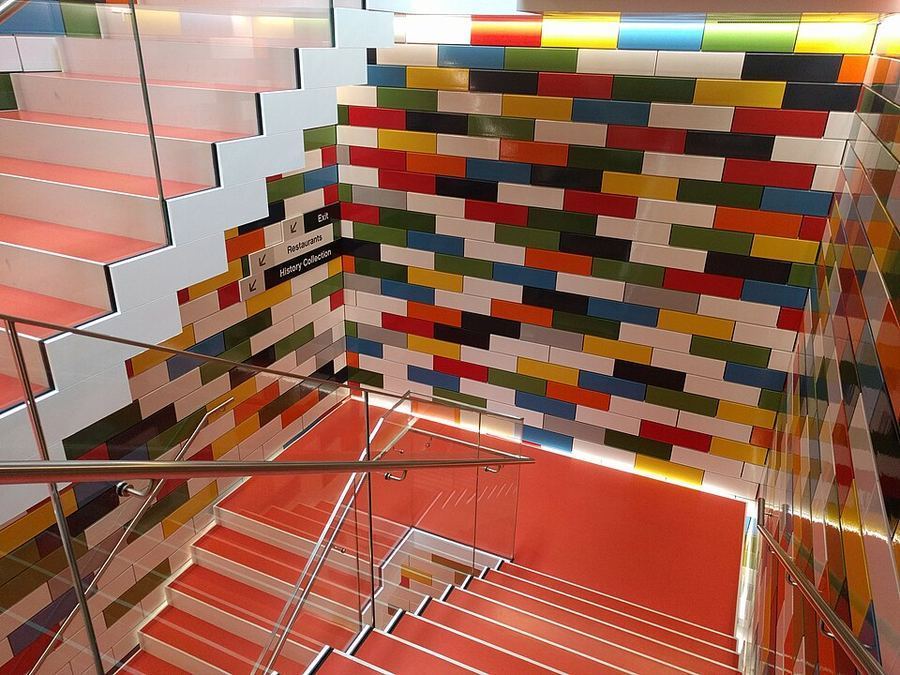
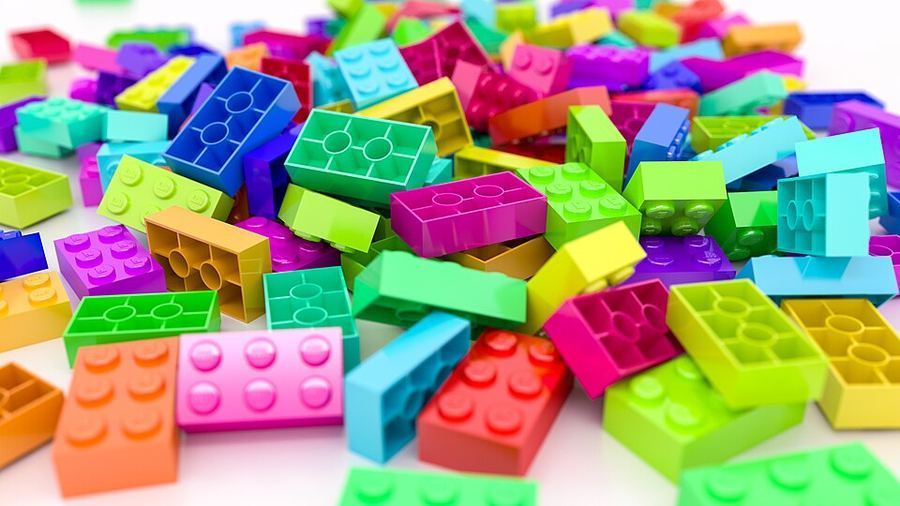
Ask a Dane what their small country has given the world and the list comes quickly. LEGO, founded in Billund by carpenter Ole Kirk Kristiansen and named from the Danish 'leg godt' ('play well'), grew into one of the largest toy makers on Earth. Denmark pioneered modern wind power and remains a world leader — home to major turbine and offshore-wind companies, it generates one of the highest shares of wind electricity of any OECD country. The monarchy is among the world's oldest, tracing its lineage to the tenth-century kings Gorm the Old and Harald Bluetooth; in January 2024 Queen Margrethe II abdicated after 52 years and her son ascended as King Frederik X. Danish pharmaceuticals — packaged medicines and vaccines are the country's top exports — have made the sector a global heavyweight. And there is the happiness thing: Denmark has finished at or near the top of the UN World Happiness Report ever since the ranking began, a fact Danes credit to trust, security, and a well-functioning welfare state.
Points Of Pride, Denmark
Sintakso / CC0

Cultural Fusion

Denmark is often imagined as homogeneous, but the kingdom has always been a layered place. Ethnic Danes — a category that officially includes Greenlandic Inuit and Faroese people — make up about 84 percent of the population, alongside communities with Turkish, Polish, Romanian, Syrian, Ukrainian, German, and Iraqi roots. A historic German-speaking minority remains in South Jutland along the border drawn by the 1920 plebiscite, while Danish-speaking communities persist on the German side. The kingdom's North Atlantic territories add Faroese and Greenlandic — an Inuit language — to the linguistic map, and both territories send members to the Danish parliament. English is the predominant second language, spoken with near-universal fluency. Religiously, the Evangelical Lutheran state church claims about 71 percent of the population, with Islam the largest minority faith at around 4 percent, alongside Catholic, Jewish, Orthodox, and Buddhist communities.
Cultural Fusion, Denmark
Dietmar Rabich / CC BY-SA 4.0

Music & Dance

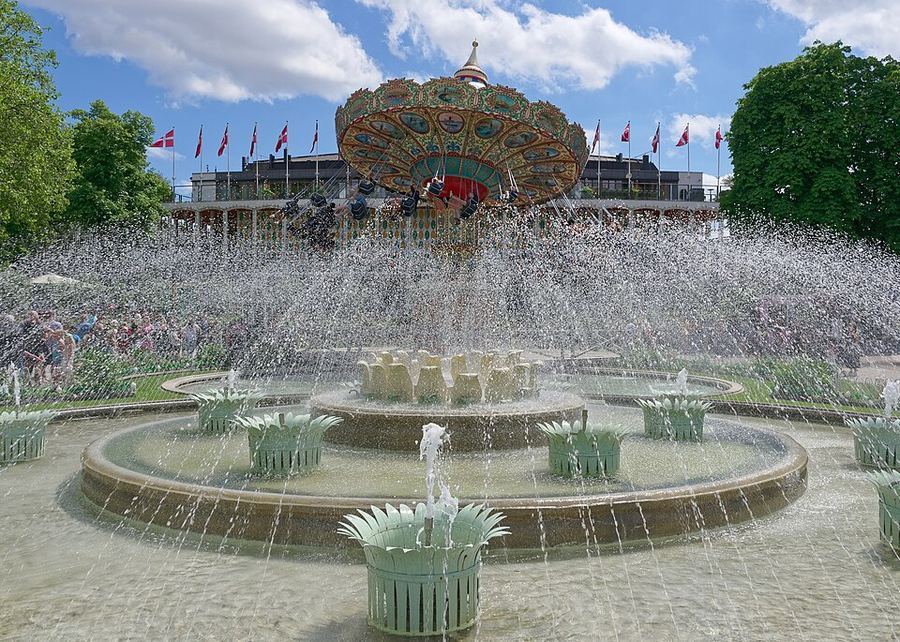
Denmark's musical patriarch is Carl Nielsen, the composer whose six symphonies and beloved popular songs made him the country's national voice; his face once graced the hundred-kroner note. In dance, the Royal Danish Ballet in Copenhagen is one of the world's oldest companies, and it preserves the airy, buoyant nineteenth-century style of choreographer August Bournonville — works like La Sylphide are still danced today essentially as he made them. The Tivoli Gardens amusement park, opened in 1843, doubles as one of Copenhagen's great concert venues and helped inspire generations of Danish light music. Each summer the Roskilde Festival, one of Europe's largest music festivals, transforms the cathedral town of Roskilde into a temporary city of rock, and the Copenhagen Jazz Festival fills the capital's streets and clubs. Folk traditions survive too: fiddle-driven chain dances and pair dances are kept alive by folk-dance societies, and in the Faroe Islands the medieval ballad-chanting ring dance never died out.
Music & Dance, Denmark
Sailing10 / CC BY-SA 4.0

Cuisine & Misattributed Foods

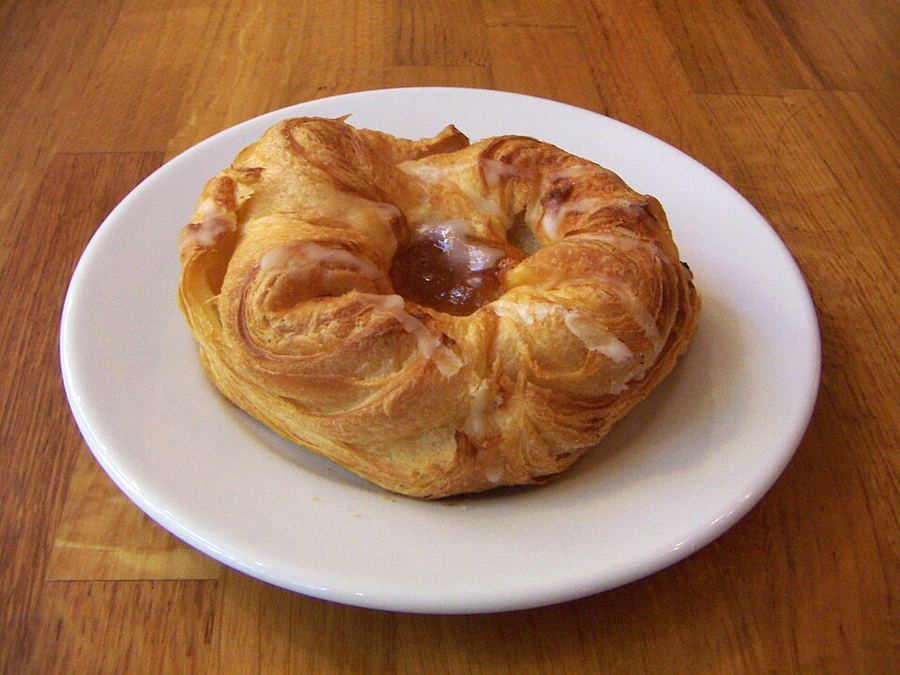
Danish food culture starts with smørrebrød — dense rye bread laden with meticulously arranged toppings like pickled herring, liver pâté, or shrimp, an open-faced sandwich elevated to an art form. Then there is the pastry paradox: what the world calls a 'Danish' is known in Denmark as wienerbrød, 'Vienna bread,' because the laminated, butter-layered technique arrived with Austrian bakers in the nineteenth century — Encyclopaedia Britannica traces the misnamed treat to that Viennese origin. Pork is the national protein, from frikadeller (pan-fried meatballs) to flæskesteg (crackling roast pork), and pork remains one of Denmark's principal exports along with fish. Beer is the traditional accompaniment — Copenhagen's Carlsberg brewery, founded in 1847, became a global giant and a patron of Danish science and art. In 2004 Danish chefs issued the New Nordic Kitchen manifesto, championing foraging, fermentation, and Nordic terroir; Noma in Copenhagen carried the movement to repeated 'world's best restaurant' honors and rewired fine dining worldwide.
Cuisine & Misattributed Foods, Denmark
Peter Isotalo / CC BY-SA 3.0

National Dress

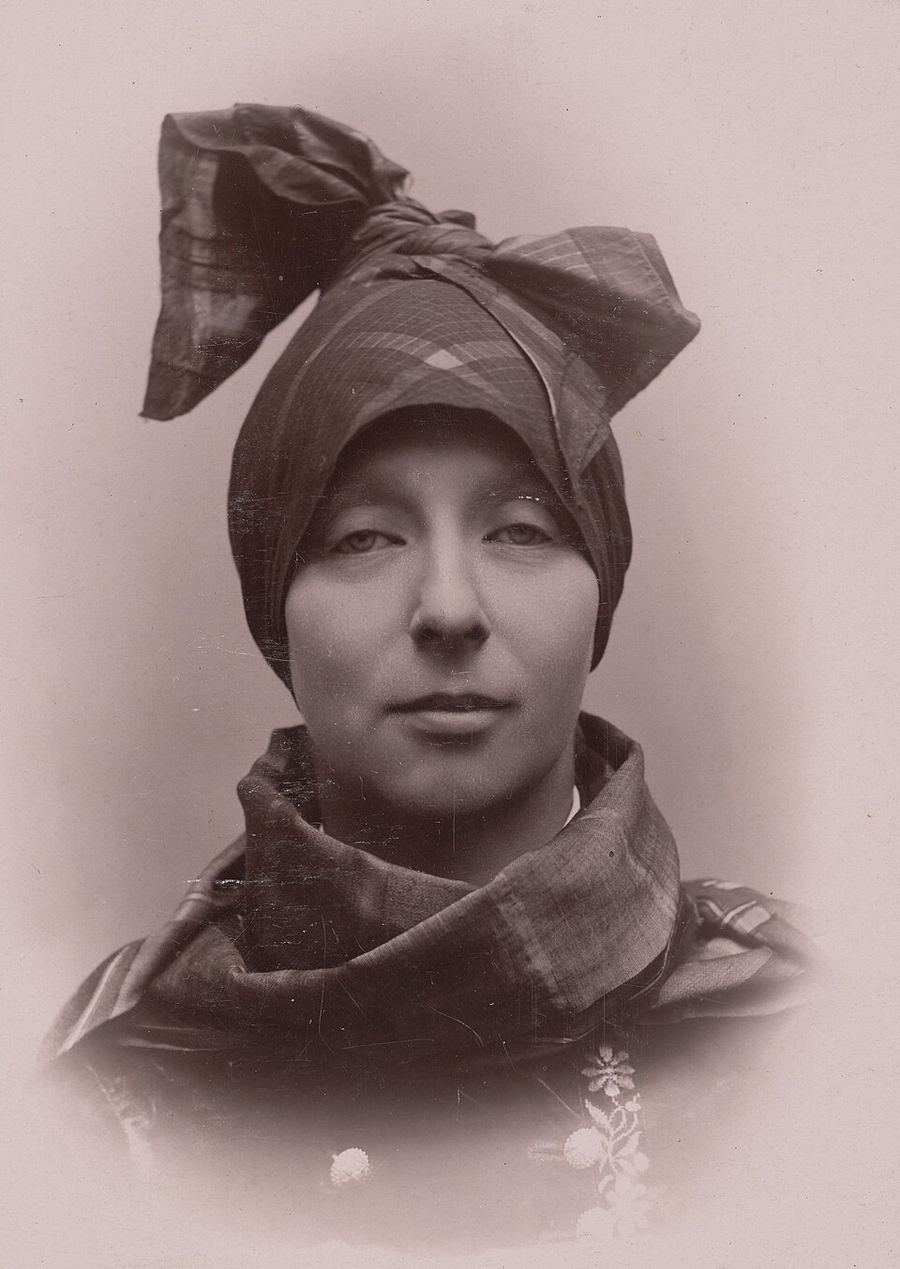
Denmark's folk costumes — folkedragter — are regional creations of the eighteenth and nineteenth centuries, when each parish and island developed its own combinations of embroidered bodices, ankle-length wool skirts, aprons, and close-fitting bonnets for women, and knee breeches, waistcoats, and long coats for men. The islands of Amager, Fanø, and Læsø were known for especially distinctive dress, and on Fanø women's costumes included face-shielding scarves against the North Sea wind. Everyday use faded with industrialization in the late nineteenth century, and today the costumes appear mainly at folk-dance performances, midsummer festivals, and heritage celebrations. In the kingdom's North Atlantic territories, national dress remains far more alive: Faroese men and women wear their embroidered, silver-buttoned national costume for Ólavsøka and other festivals, and Greenland's national dress — with its spectacular wide beaded collar for women — is worn proudly for confirmations, national day, and first days of school.
National Dress, Denmark
Creator:Jakobine Poulsen / Public domain

Sports & Inspiring Athletes

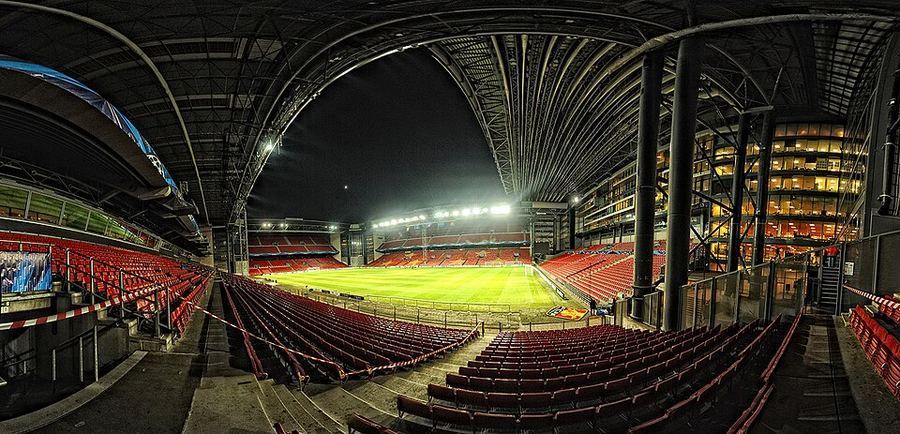
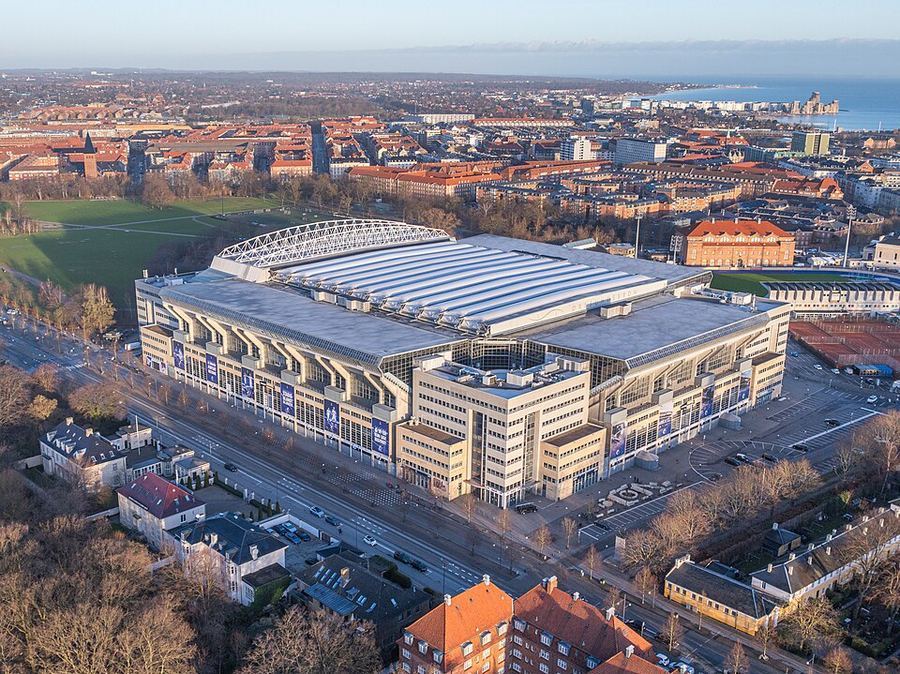
Denmark's greatest sporting fairy tale came in the summer of 1992, when a national football team that had failed to qualify for the European Championship was summoned off the beach as a late replacement for excluded Yugoslavia — and won the whole tournament, stunning world champions Germany 2-0 in the final. Football remains the national game, though 2026 was a bruising year: Denmark finished behind Scotland in its World Cup qualifying group and then lost the March 2026 play-off final to the Czech Republic on penalties after a 2-2 draw, missing the 2026 FIFA World Cup — the first major tournament the men's side has missed since Euro 2016 — while the Danish FA kept faith with coach Brian Riemer. Sepp Piontek, the German coach who built the 1980s 'Danish Dynamite' team that reached the Euro 1984 semi-finals and the 1986 World Cup, died in February 2026 at 85. Handball is the other national obsession, and here 2026 delivered: in front of a full house in Herning on 1 February, Denmark beat Germany 34-27 to win the European Championship, its third continental title and first in 14 years, with Mathias Gidsel's 68 goals a tournament record; the men have also won four straight world titles (2019-2025) and Olympic gold at Rio 2016 and Paris 2024. At the Milan-Cortina Winter Olympics in February 2026, speed skater Viktor Hald Thorup took silver in the men's mass start — Denmark's first Winter Games medal since 1998. Cycling runs deep in a nation built for it: Jonas Vingegaard, Tour de France champion in 2022 and 2023, finished second in the 2025 Tour, won the 2025 Vuelta a España, and in May 2026 won the Giro d'Italia to become only the eighth rider to win all three Grand Tours, before a crash on stage 15 ended his 2026 Tour, where Mads Pedersen took the green jersey. In badminton, two-time Olympic champion Viktor Axelsen announced his retirement in April 2026 on medical advice after years of back trouble, and Denmark took bronze in both the Thomas and Uber Cups it hosted in Horsens that spring. Sailing legend Paul Elvstrøm won gold at four consecutive Olympic Games from 1948 to 1960, a feat that made him a national icon.
Sports & Inspiring Athletes, Denmark
Валерий Дед / CC BY 3.0

Notable Educational Programs

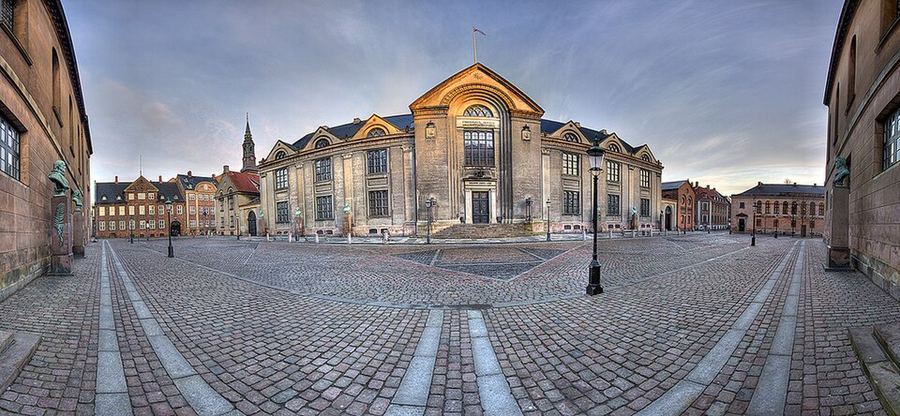
Education in Denmark is free from primary school through university, and the state goes a step further than most: Danish students aged 18 and over receive a monthly government grant (the SU) to support them while they study. Ten years of education are compulsory, delivered through municipal folkeskoler or private and independent schools that also receive public funding. Denmark invented a distinctive institution the world has copied: the folk high school (folkehøjskole), the residential adult-education movement inspired by nineteenth-century philosopher-pastor N.F.S. Grundtvig, offering exam-free 'enlightenment for life' to adults of all ages. The country spends among the highest shares of GDP on education in the OECD, and tertiary attainment is well above the OECD average. Danish universities — Copenhagen (founded 1479), Aarhus, and the Technical University of Denmark among them — teach extensively in English at the graduate level, drawing international students to one of Europe's most educated labor markets.
Notable Educational Programs, Denmark
Mik Hartwell / CC BY-SA 2.0

Wars & Conflicts

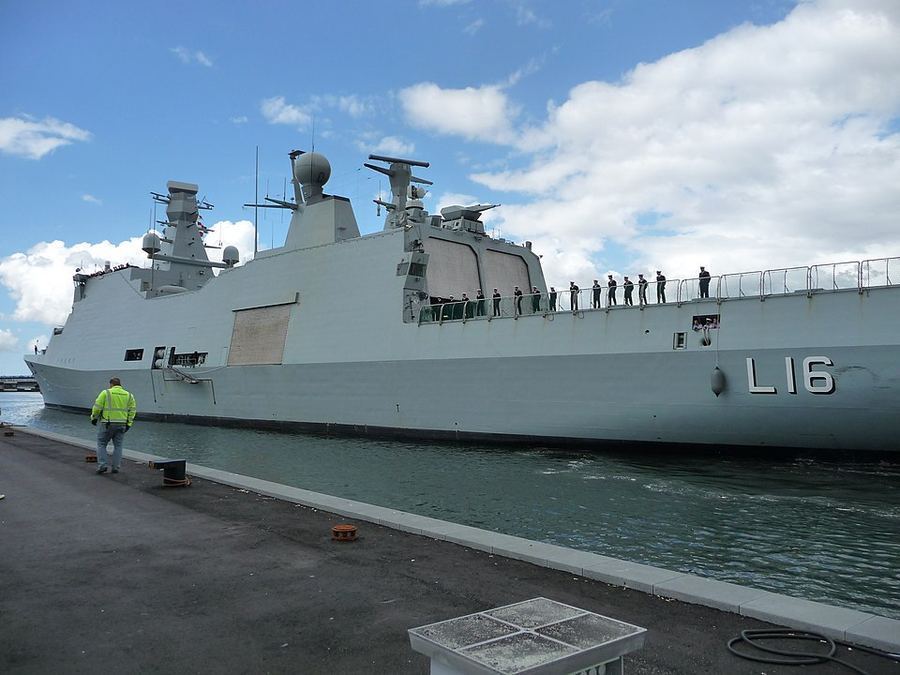
Denmark is not a party to any armed conflict, but as of 13 October 2026 it sits at the centre of two security stories: a hybrid confrontation with Russia that its own intelligence services say is intensifying, and the signed-but-not-yet-ratified settlement of the Greenland crisis with the United States. On Greenland, President Trump announced on Truth Social on 18 September that Denmark was 'handing the United States control over the security of Greenland' and that the deal gave Washington 'permanent control', and the agreement was signed in New York on 22 September, on the margins of the UN General Assembly, by Trump, Prime Minister Mette Frederiksen and Greenlandic Premier Jens-Frederik Nielsen (Al Jazeera, 18 and 22 September 2026; Euronews, 22 September 2026). Formally an amendment to the 1951 US-Danish agreement on the defence of Greenland, it allows the United States to expand and modernise Pituffik Space Base and to establish new defence areas at Narsarsuaq in the south and Mestersvig in the east, grants flyover, landing and maritime access, provides for missile-defence deployment, bars any non-NATO military presence in Greenland and adds screening of investment in critical infrastructure and mining aimed at Russia and China; a State Department official said its terms would survive Greenlandic independence (Euronews, 22 September 2026; Al Jazeera, 22 September 2026). The three parties describe it differently. Secretary of State Marco Rubio called it a 'huge win' that 'permanently and completely addresses our national security concerns'; Copenhagen said the 'binding' deal recognises the Kingdom's sovereignty and Greenlanders' right to self-determination and does not transfer control, and Frederiksen stressed that it must be approved by parliament before it takes effect; Nielsen called it 'gratifying' and said it would 'ensure and strengthen' Greenland's security, and his delegation was given a celebratory welcome home in Nuuk on 24 September (Al Jazeera, 19 and 24 September 2026; Euronews, 19 September 2026). NATO and the EU welcomed the accord as ending months of tension over Trump's earlier annexation threats, which had brought the largest demonstrations in Greenland's history in January (Al Jazeera, 22 September 2026). Danish reaction has been mixed, with some welcoming Arctic cooperation and others uneasy about the scale of the US presence, and Greenlandic politician Aaja Chemnitz said in Reykjavik on 9 October that 'America broke our trust, and it is up to them to rebuild that' (Euronews, 24 September 2026; High North News, 9 October 2026). Minister Martin Lidegaard said on 25 September that Greenland had 'enough minerals' for every interested investor under the new framework (Euronews, 25 September 2026). As of 13 October no ratification vote in the Folketing or Greenland's Inatsisartut had been reported in the outlets consulted. On Russia, the sharpest direct encounter in years came on 14 September, when a Russian frigate fired flares at a Royal Danish Air Force helicopter photographing it in international waters in the Baltic south of Gedser; Frederiksen called it 'reckless', Foreign Minister Lars Løkke Rasmussen summoned the Russian ambassador, and Moscow's embassy blamed 'provocative' Danish manoeuvres (Kyiv Independent, 15 September 2026; Reuters, 15 September 2026). Ten days later, on 24 September, the Danish Defence Intelligence Service (DDIS) assessed that 'Russia will intensify its hybrid war by carrying out more frequent attacks against the West and NATO, with greater consequences for the targeted countries than in the past', and warned of a 'low but growing risk' of limited Russian military strikes on NATO members bordering Russia in the coming months (Kyiv Independent, 24 September 2026). On 7 October a PET analyst, Josefine Christensen, told Reuters that Russia was 'increasingly focusing on targets directly connected to Western military support for Ukraine', that Moscow had planned many operations in the spring but carried out 'very little' before stepping up 'a lot more' in early summer, and that it recruits people online to photograph and surveil targets — building on PET's 3 September warning that Russian services were preparing sabotage against Danish defence companies with Ukraine ties; the Russian embassy in Copenhagen denied the claims, and no specific incident on Danish soil was identified in the report (Reuters, 7 October 2026; Kyiv Independent, 7 October 2026). The Ukraine link also runs through Danish industry: on 1 October the NGO Freedom for Ukraine protested at the Fayard shipyard, which it says has serviced four Russia-linked Arc7 LNG tankers since late June, with chairman Jens Alstrup calling the work 'a blemish on Danish support for Ukraine' (Kyiv Independent, 2 October 2026), while the Ukrainian missile and drone maker Fire Point has increased its planned investment in a Danish plant (Kyiv Independent, 19 August 2026). Copenhagen's declared response to Russian pressure has been more aid for Kyiv — a 31st package of 1.8 billion kroner, mainly air defence, was brought forward on 18 September (Reuters, 18 September 2026; Bloomberg, 18 September 2026) — alongside a March 2026 agreement with France on nuclear-deterrence cooperation that stations no French weapons on Danish soil, a Danish battalion at Camp Valdemar in Latvia, and the Arctic Shield exercise in Greenland that ended on 18 September with about 400 troops from 11 allied nations (Danish Armed Forces, September 2026; High North News, September 2026).
Last reviewed 2026-10-13 · 5 weeks ago
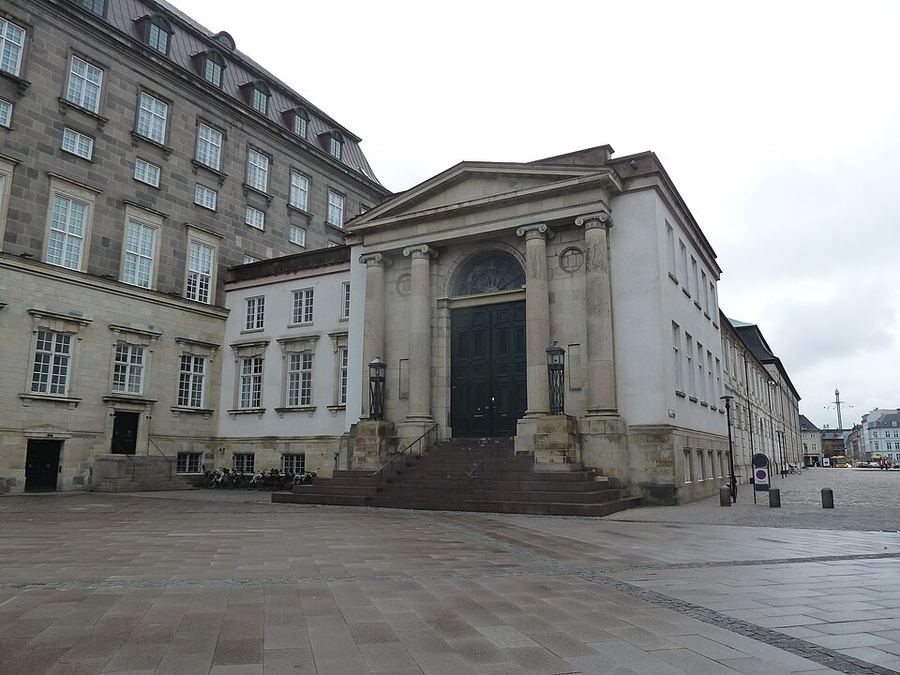
Wars & Conflicts, Denmark
Simon from United Kingdom / CC BY 2.0

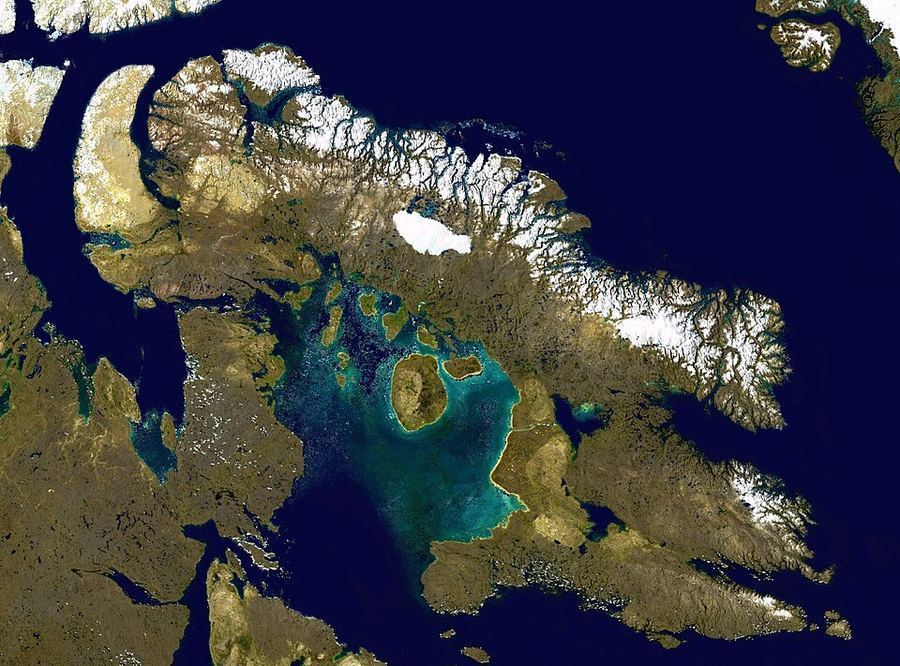
Land & Border Disputes

Denmark's most storied territorial dispute ended not with a treaty conference but with a handshake over a barren Arctic rock. Hans Island (Tartupaluk), an uninhabited 1.3-square-kilometer islet in the Kennedy Channel between Greenland and Canada's Ellesmere Island, was claimed by both countries for decades — famously contested through the genteel 'whisky war,' in which visiting officials swapped flags and left bottles of schnapps or whisky for the other side. In 2022, Denmark and Canada agreed to divide the island roughly in half, settling the dispute and giving the two countries a shared land border. Farther north, a larger question remains open: Denmark, via Greenland, has submitted a claim to the UN Commission on the Limits of the Continental Shelf for a vast area of Arctic seabed extending beyond the North Pole, which overlaps competing submissions by Russia and Canada and awaits scientific review and eventual negotiation. The kingdom's territories add their own wrinkles, including long-running maritime boundary questions around the Faroe Islands' continental shelf. The gravest challenge to the kingdom's territorial integrity in living memory, however, came from an ally: through 2025 and into 2026 the United States pressed to acquire Greenland, refusing in January 2026 to rule out military means and prompting mass protests in Nuuk and Danish cities. On 22 September 2026 the three governments signed an amendment to the 1951 Greenland defence agreement that expands the US military presence — new defence areas at Narsarsuaq and Mestersvig and an enlarged Pituffik Space Base — while, in Copenhagen's and Nuuk's reading, reaffirming Danish sovereignty and Greenland's right to self-determination; President Trump describes it as giving the United States 'permanent control' of Greenland's security. It awaits parliamentary approval in Denmark and Greenland.
Land & Border Disputes, Denmark
NASA World Wind / Public domain

Land, Life & Legacy

Land & Climate

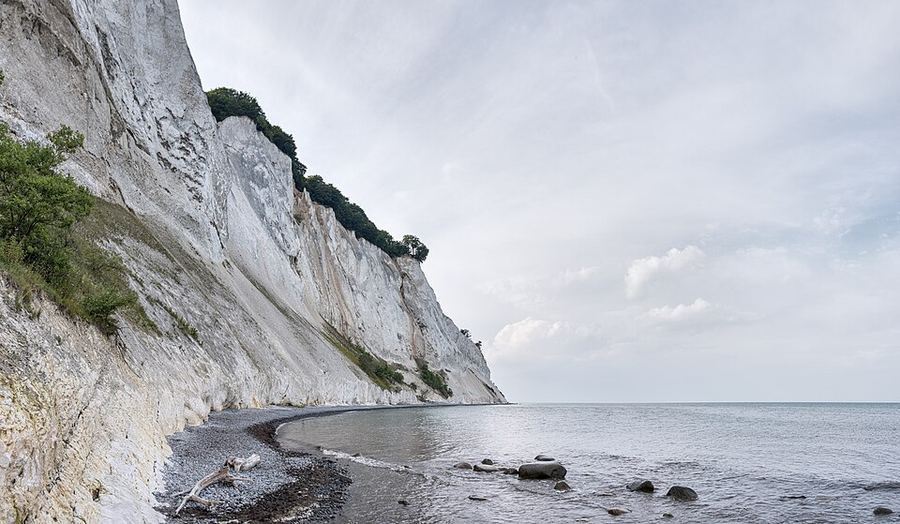
Denmark proper covers about 43,000 square kilometres: the Jutland peninsula, which is the country's only land border, with Germany, and some four hundred islands, of which Zealand, holding Copenhagen, Funen, Lolland, Falster and Baltic Bornholm are the largest. The land is low and gently rolling, shaped by ice-age moraine, and the highest natural point, Møllehøj, is only about 171 metres. What Denmark lacks in relief it makes up in coast: the shoreline runs some 7,300 kilometres and no place in the country is far from tidal water. The North Sea lies to the west and the Baltic to the east, joined through the Skagerrak and Kattegat, and the Limfjord cuts clean across northern Jutland. The Wadden Sea on the southwestern coast is a World Heritage site and a major bird migration stop, and Denmark's geology has lately earned two more natural listings: the 120-metre chalk cliffs of Møns Klint were inscribed in July 2025, and in July 2026 the fossil-rich diatomite (moler) cliffs of the western Limfjord on Fur and Mors followed, for their exceptionally preserved early Eocene fish, bird and insect fossils. The climate is temperate maritime, with mild winters, cool summers, cloud and rain spread through the year, and persistent wind off the North Sea, which is the physical basis of the country's turbine industry. The Kingdom of Denmark also includes the self-governing Faroe Islands and Greenland.
Land & Climate, Denmark
Giorgio Galeotti / CC BY 4.0

Entertainment

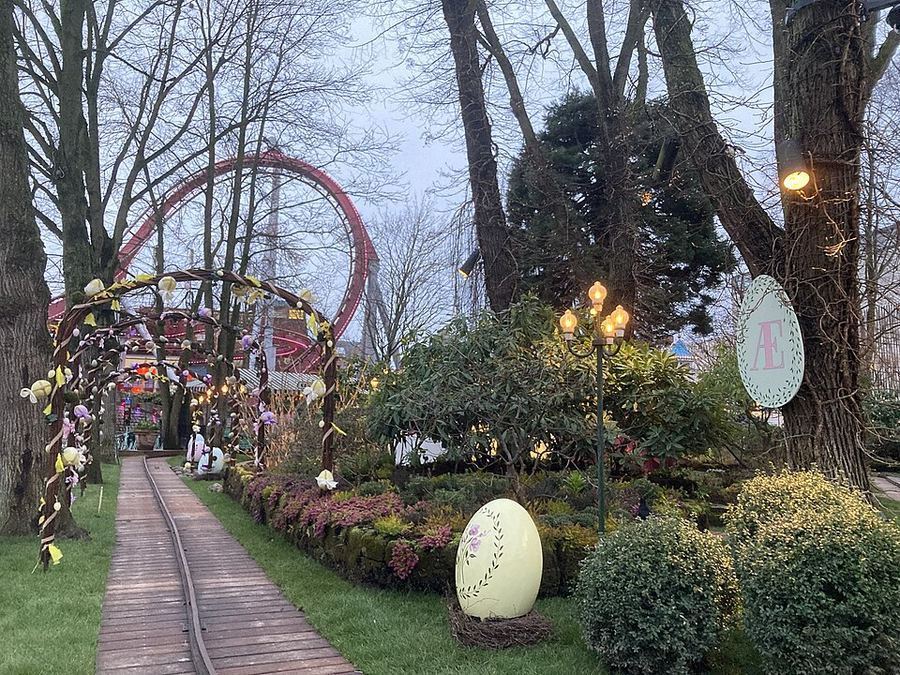
Danish leisure orbits the untranslatable concept of hygge — candlelit, unhurried conviviality — and a national infrastructure built for it. Copenhagen is one of the world's great cycling cities, with well over 40 percent of commutes to work or study made by bike on segregated lanes. Tivoli Gardens, the amusement park opened in the city's heart in 1843 and an acknowledged inspiration for Disneyland, still mixes rides, concerts, and flowerbeds; Legoland Billund has drawn families since 1968. Summer empties the cities toward some 200,000 sommerhuse, the modest wooden holiday homes lining the coasts, while winter-bathing clubs plunge members into harbour water year-round, sauna alongside. The Roskilde Festival, running since 1971, is Northern Europe's largest music festival and donates its profits to charity, and heritage sites like Kronborg Castle at Helsingor — the UNESCO-listed Elsinore of Hamlet — and the Viking ships at Roskilde anchor the tourist circuit.
Entertainment, Denmark
Jakub Hałun / CC BY-SA 4.0

Art & Museums

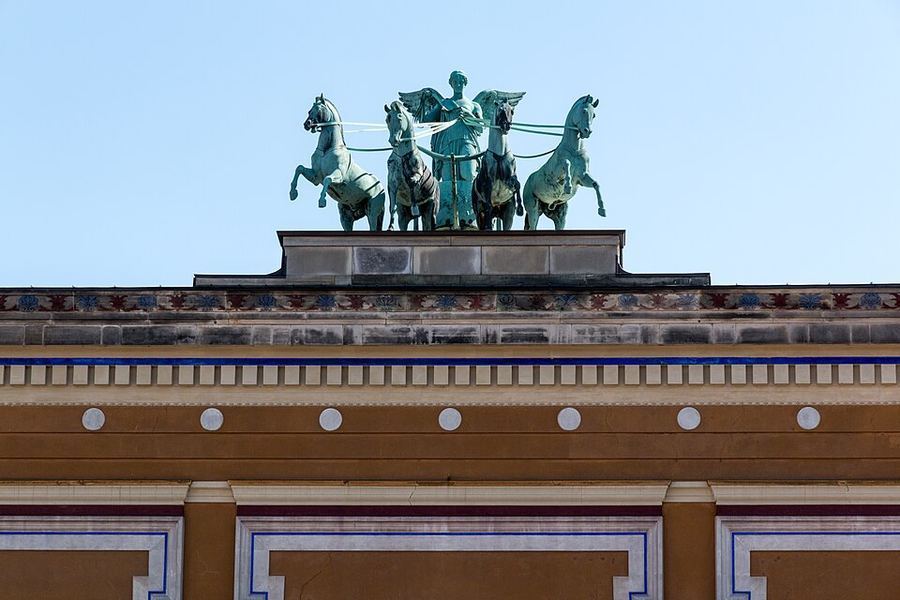
Danish art's founding moment is the Golden Age of the early nineteenth century, when C.W. Eckersberg and his students, notably Christen Kobke, painted Copenhagen's light with quiet precision, and the sculptor Bertel Thorvaldsen achieved such European fame that his neoclassical marbles earned a purpose-built museum in Copenhagen, opened in 1848 as Denmark's first. At century's end the Skagen Painters — P.S. Kroyer, Anna Ancher, and Michael Ancher — colonized Jutland's northern tip to paint fishermen and blue-hour beaches, images now inseparable from Danish self-understanding. Asger Jorn co-founded the postwar CoBrA movement, injecting Nordic spontaneity into European abstraction, and the Danish-Icelandic artist Olafur Eliasson continues the lineage with installations of weather and light. The Louisiana Museum of Modern Art at Humlebaek, set in a sculpture garden above the Oresund strait, ranks among the world's most admired museum settings, complementing the national collections at the Statens Museum for Kunst.
Art & Museums, Denmark
Dietmar Rabich / CC BY-SA 4.0

Notable People

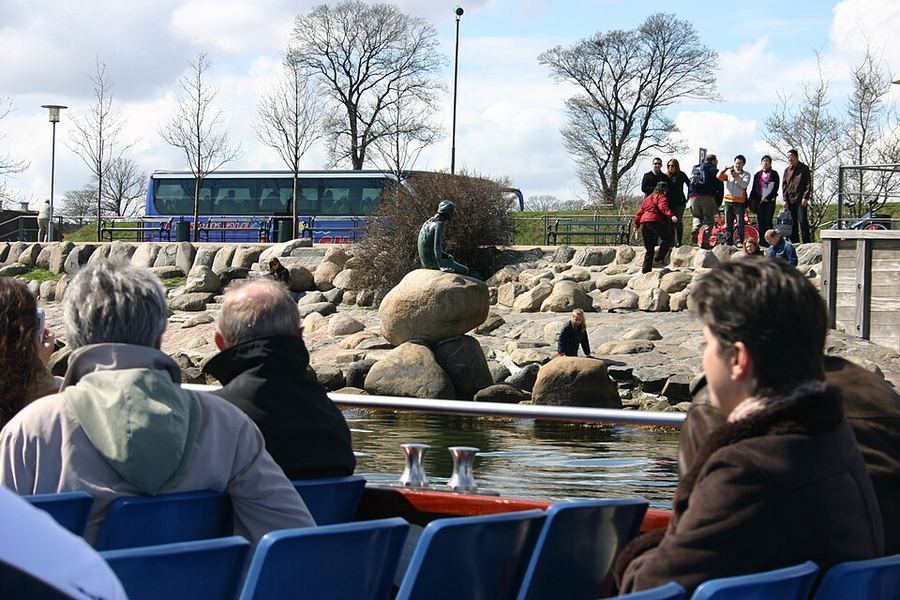
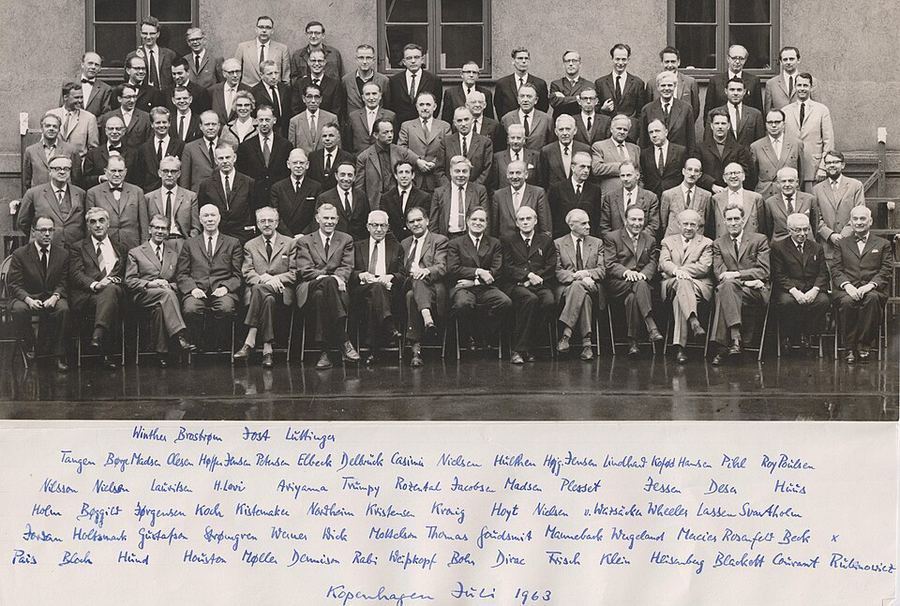
For a nation of six million, Denmark's roster is startling. Hans Christian Andersen's fairy tales — The Little Mermaid, The Ugly Duckling, The Emperor's New Clothes — rank among the most widely translated works of literature in existence. Soren Kierkegaard, writing in 1840s Copenhagen, effectively founded existentialism. Astronomer Tycho Brahe's naked-eye observations from the island of Hven enabled Kepler's laws; Niels Bohr's model of the atom won the 1922 Nobel Prize in Physics and made his Copenhagen institute the capital of quantum theory. Karen Blixen, writing as Isak Dinesen, produced Out of Africa; Carl Theodor Dreyer made The Passion of Joan of Arc; and Lars von Trier's Dogme 95 movement reset art-house cinema. Design supplies Arne Jacobsen's chairs and Bjarke Ingels's buildings; Queen Margrethe II reigned for 52 years before her surprise abdication in January 2024; and the Kirk Kristiansen family behind Lego ranks among Forbes's wealthiest Europeans.
Notable People, Denmark
klndonnelly / CC BY 2.0

Inventions & Breakthroughs

Hans Christian Orsted's Copenhagen lecture-room discovery in 1820 that an electric current deflects a compass needle founded the science of electromagnetism, the basis of every electric motor and generator; a unit of magnetic field strength long bore his name. Valdemar Poulsen patented the telegraphone in 1898, the first practical magnetic recording device and ancestor of tape and hard-disk storage. Niels Bohr's 1913 atomic model launched quantum physics. Physiologist August Krogh, a 1920 Nobel laureate, secured Danish rights to newly discovered insulin and co-founded the enterprise that became Novo Nordisk, today one of the world's dominant makers of insulin and diabetes drugs. Wind power's modern lineage also runs through Denmark: Poul la Cour was building experimental electricity-generating turbines at Askov by 1891, and Danish firms led by Vestas turned the technology into a global industry. The most playful entry is the Lego brick, its stud-and-tube coupling patented by the Kirk Christiansen family's Billund company in 1958.
Inventions & Breakthroughs, Denmark
Ypiyush22 / CC BY-SA 4.0

Science & Technology

Denmark's scientific history is dense for a small country. Tycho Brahe's naked-eye observations at Uraniborg gave Kepler the data for planetary orbits, Ole Rømer used the eclipses of Jupiter's moon Io in 1676 to show that light travels at a finite speed, Hans Christian Ørsted discovered in 1820 that an electric current deflects a compass needle and so founded electromagnetism, and Niels Bohr's institute in Copenhagen became the centre of quantum mechanics in the 1920s. Modern strengths are industrial. Denmark built the world's first offshore wind farm at Vindeby in 1991, and Vestas is a leading turbine manufacturer while Ørsted is a leading offshore wind developer; wind supplies a very high share of Danish electricity. Ørsted, in which the Danish state holds a 50.1 percent majority, has retrenched after costly setbacks in the United States, including a 2025 federal stop-work order on its Revolution Wind project, and in February 2026 sold its European onshore renewables business to Copenhagen Infrastructure Partners for about 1.44 billion euros. In pharmaceuticals, Novo Nordisk traces back to the companies that began producing insulin in the 1920s and later developed the GLP-1 drugs; it remains Denmark's largest private taxpayer and reported 2025 revenue of 309 billion kroner, but intensifying weight-loss competition brought a new chief executive, Maziar Mike Doustdar, in August 2025, about 9,000 job cuts announced that September, and in 2026 the launch of oral GLP-1 obesity tablets. Lundbeck works in central nervous system medicines and Novonesis in industrial enzymes, and Maersk's container logistics and the Danish shipping cluster are a further technical specialisation. Danish palaeontology gained global recognition in July 2026 when UNESCO inscribed the early Eocene fish-fossil beds of the western Limfjord's diatomite cliffs as a natural World Heritage site.
Science & Technology, Denmark
GFHund / Public domain

On The World Stage

Champions of Denmark

Champions & Defining Moments

Denmark's sporting summit remains Euro 1992, when a team summoned from the beach after Yugoslavia's exclusion beat the Netherlands on penalties and then defeated newly reunified world champions Germany 2-0 in the Gothenburg final — football's great underdog fairy tale. Michael Laudrup became one of Europe's most elegant playmakers, and Christian Eriksen's return to the pitch after his cardiac arrest at Euro 2020 moved audiences far beyond sport; in June 2026 Eriksen collapsed a second time, during a friendly against Ukraine, was revived by his implanted defibrillator, and in September 2026 agreed to end his contract with Wolfsburg, not having played since. The men's team missed the 2026 World Cup after a penalty-shoot-out defeat to the Czech Republic in the play-off final. Handball is the other national game: the men's team won an unprecedented four consecutive world championships between 2019 and 2025, Olympic gold at Rio 2016 and Paris 2024, and the 2026 European Championship on home soil in Herning, beating Germany 34-27 in the final; Mathias Gidsel was named IHF male player of the year for a third time in March 2026, and the women's side took three straight Olympic titles in 1996, 2000, and 2004. Sailing legend Paul Elvstrom won gold at four consecutive Olympics from 1948 to 1960; badminton's Viktor Axelsen, singles gold medallist at both Tokyo and Paris, retired in April 2026; speed skater Viktor Hald Thorup's mass-start silver at Milan-Cortina 2026 was Denmark's first Winter Olympic medal in 28 years; and Jonas Vingegaard, winner of the 2022 and 2023 Tours de France, completed the set of all three Grand Tours with the 2025 Vuelta and the 2026 Giro d'Italia.

Arne Müseler / CC BY-SA 3.0 de

Government & Leadership

Parliamentary constitutional monarchy

Seat of the executive

Executive

Frederik X — King

In office since 14 January 2024

Mette Frederiksen — Prime Minister

The legislature

Parliament (Folketinget)

Unicameral

Composition — Social Democratic Party largest party

Social Democratic Party 50 · Venstre 23 · M 16 · SF 15 · Æ 14 · Liberal Alliance 14 · Conservative People's Party 10 · Unity List-Red-Green Alliance 9 · Other 24

Last election 11/1/2022 · 43.6% women

Jebulon / CC0
The highest court
The highest court — Leif Jørgensen / CC BY-SA 3.0

Supreme Court

Consists of the court president and 18 judges

Economy, Trade & Government

Currency & GDP

Danish Krone — DKK (kr)

GDP (PPP): $440.558 billion (2024 est.) (in 2021 dollars)

Per capita: $73,700 (2024 est.) (in 2021 dollars)

Exports

$299.405 billion (2024 est.)

packaged medicine, fish, vaccines, refined petroleum, pork (2023)

Partners: Germany 13%, USA 10%, Sweden 9%, Netherlands 7%, China 5% (2023)

Imports

$252.954 billion (2024 est.)

natural gas, cars, garments, packaged medicine, refined petroleum (2023)

Partners: Germany 18%, Sweden 11%, Norway 10%, Netherlands 9%, China 7% (2023)

Government

Type: parliamentary constitutional monarchy

Independence: ca. 965 (unified and Christianized under Harald I GORMSSON); 5 June 1849 (became a parliamentary constitutional monarchy)

Terrain → Where People Live

How mountains, coasts, and rivers shape settlement (LandScan).

Not yet available for this country

Migration & Ethnic Settlement

Where groups settled and how people move (GeoEPR + UNHCR).

Not yet available for this country

Universities

Notable institutions, mappable as points.

Not yet available for this country
Economy & government facts: CIA World Factbook (public domain), via OpenFactBook / factbook.json.
Every fact and narrative claim will carry a visible source citation. Data-driven sections light up automatically wherever HERA has coverage.