HERA · Human Entity Reference Atlas by Masego Inc

← Costa Rica 🌐 3D View
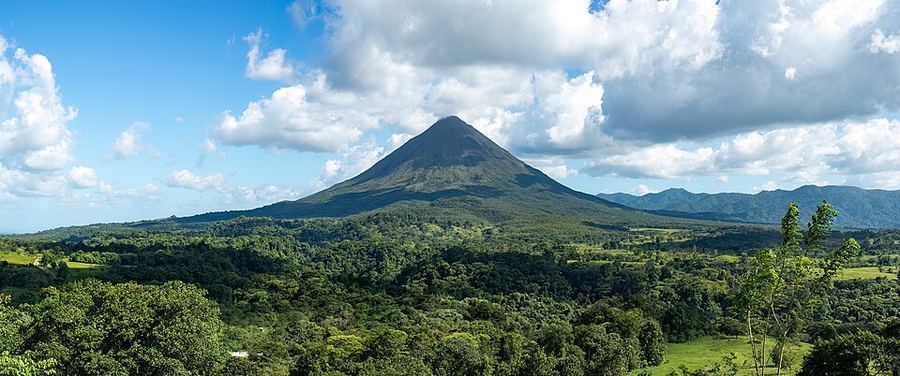
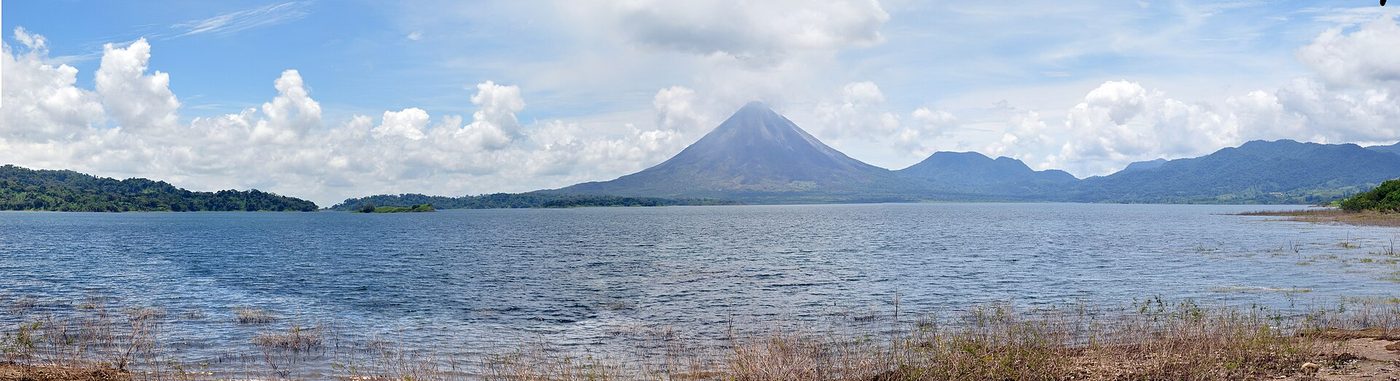
ARENAL VOLCANO LAKE PANORAMA, Costa Rica
Costa Rica CRI
ARENAL VOLCANO LAKE PANORAMA — Photo: Ksaraf / CC BY 3.0 via Wikimedia Commons
Did You Know Claudia Poll's gold in the 200 metres freestyle at Atlanta in 1996 remains Costa Rica's only Olympic title; her sister Silvia won the country's first medal in 1988. — IOC

Costa Rica occupies a narrow stretch of the Central American isthmus between Nicaragua and Panama, with coasts on both the Caribbean Sea and the Pacific Ocean and a population of a little over five million. San Jose, the capital, sits in the temperate Central Valley, the highland basin where most Costa Ricans live, ringed by volcanoes. The country is best known for two decisions that set it apart from its neighbours: the abolition of its army in 1948, after a short civil war, and the sustained investment in education, health and conservation that followed. Roughly a quarter of the national territory is under some form of protection, and the country holds an outsized share of the world's known species on a fraction of a percent of its land surface. The economy has moved decisively away from bananas and coffee: medical instruments and integrated circuits now lead exports, alongside tropical fruit, and tourism built on rainforest, volcanoes and surf is a pillar in its own right. Costa Rica joined the OECD in 2021 and has a democratic record — uninterrupted competitive elections for more than seven decades — unmatched in the region.

CIA World FactbookEncyclopaedia BritannicaOECD
Population
5,304,932
Capital
San José
Currency
₡ CRC
Time zones
Largest city
San José
Human Geography Themes
Loading national figures…
Largest Cities
San José2,272,572
Cartago189,383
Barranca65,405
Limón60,628
Liberia52,864
In Perspective

San José's urban core is home to about 2,272,572 people.

That's bigger than Amsterdam — each a great world city in its own right.

San José2,272,572
Amsterdam1,223,407

Among the world's megacities, though, it's one of many — the giants of Asia and Latin America run larger still:

San José2,272,572
Jakarta40,545,126
Dhaka37,307,160
Tokyo33,244,670
Shanghai30,678,616
Cairo25,230,325
The Country & Its People

History

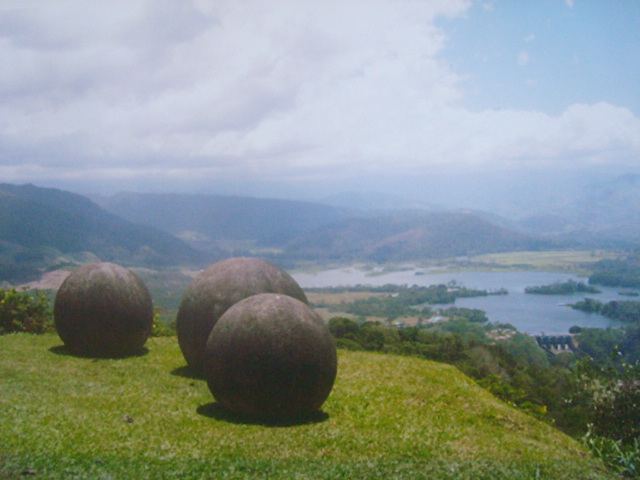
Before European contact the isthmus was a meeting zone between Mesoamerican and South American cultural spheres, with chiefdoms rather than states: Guayabo de Turrialba preserves paved causeways and aqueducts, and the Diquis delta produced the near-perfect stone spheres inscribed by UNESCO as a World Heritage site in 2014. Columbus anchored near present-day Limon in 1502 on his fourth voyage, giving the coast its optimistic name. Colonial Costa Rica was poor and peripheral, with little exploitable gold and few Indigenous labourers to conscript, and the smallholder society that resulted became the foundation of a national self-image as a rural democracy. Cartago was founded in 1563. Independence from Spain came on 15 September 1821, absorbed briefly into the Mexican Empire and then the Federal Republic of Central America before full separation in 1838. Coffee exports from the 1830s created the wealth that built San Jose, and in 1856 Costa Rican forces under Juan Rafael Mora defeated the filibuster William Walker at Rivas, the campaign that produced the national hero Juan Santamaria. A disputed election triggered a forty-four-day civil war in 1948; the victor, Jose Figueres Ferrer, abolished the army on 1 December 1948 and presided over the 1949 constitution that still governs the country.
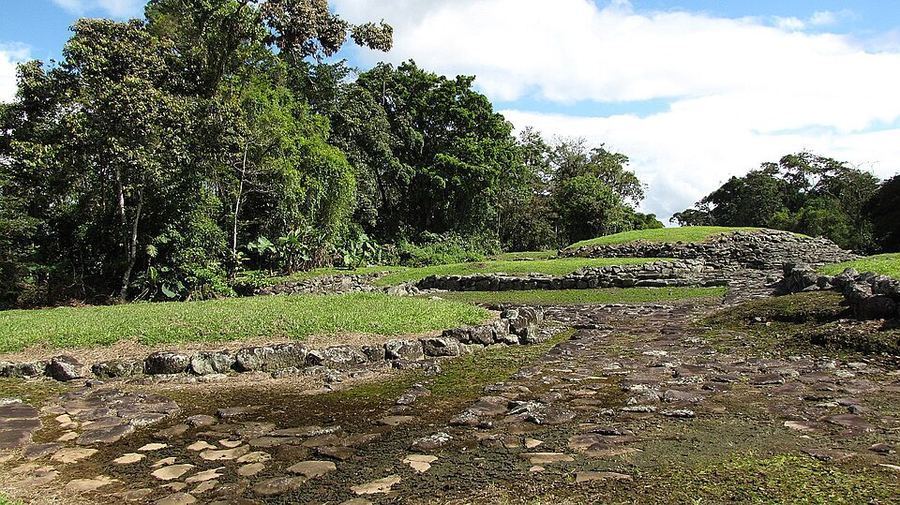
History, Costa Rica
Lutz Maertens / CC BY-SA 3.0

Culture

Costa Ricans call themselves ticos, from the local habit of forming diminutives in -tico, and the phrase pura vida — literally pure life, used as greeting, farewell, thanks and affirmation — is the closest thing the country has to a national motto. The prevailing self-understanding is of a peaceful, egalitarian, schoolteacher society: the abolition of the army, near-universal literacy and a long-established public health system are cited constantly, and the political culture prizes negotiation and legalism over confrontation. Regional cultures diverge sharply from that Central Valley norm. Guanacaste in the northwest, annexed from Nicaragua by plebiscite in 1824, keeps a cattle-ranching sabanero tradition, its own marimba music and the punto guanacasteco, declared the national dance. The Caribbean province of Limon is Afro-Costa Rican, descended largely from Jamaican workers who built the Atlantic railway and worked the banana plantations, speaking an English-based creole known locally as Mekatelyu alongside Spanish. Indigenous peoples — Bribri, Cabecar, Boruca, Maleku, Ngabe and others — hold territories mainly in the Talamanca range and the south. UNESCO has recognised the oxherding and oxcart traditions of the Central Valley as intangible cultural heritage.
Culture, Costa Rica
The LEAF Project / CC0

Points Of Pride

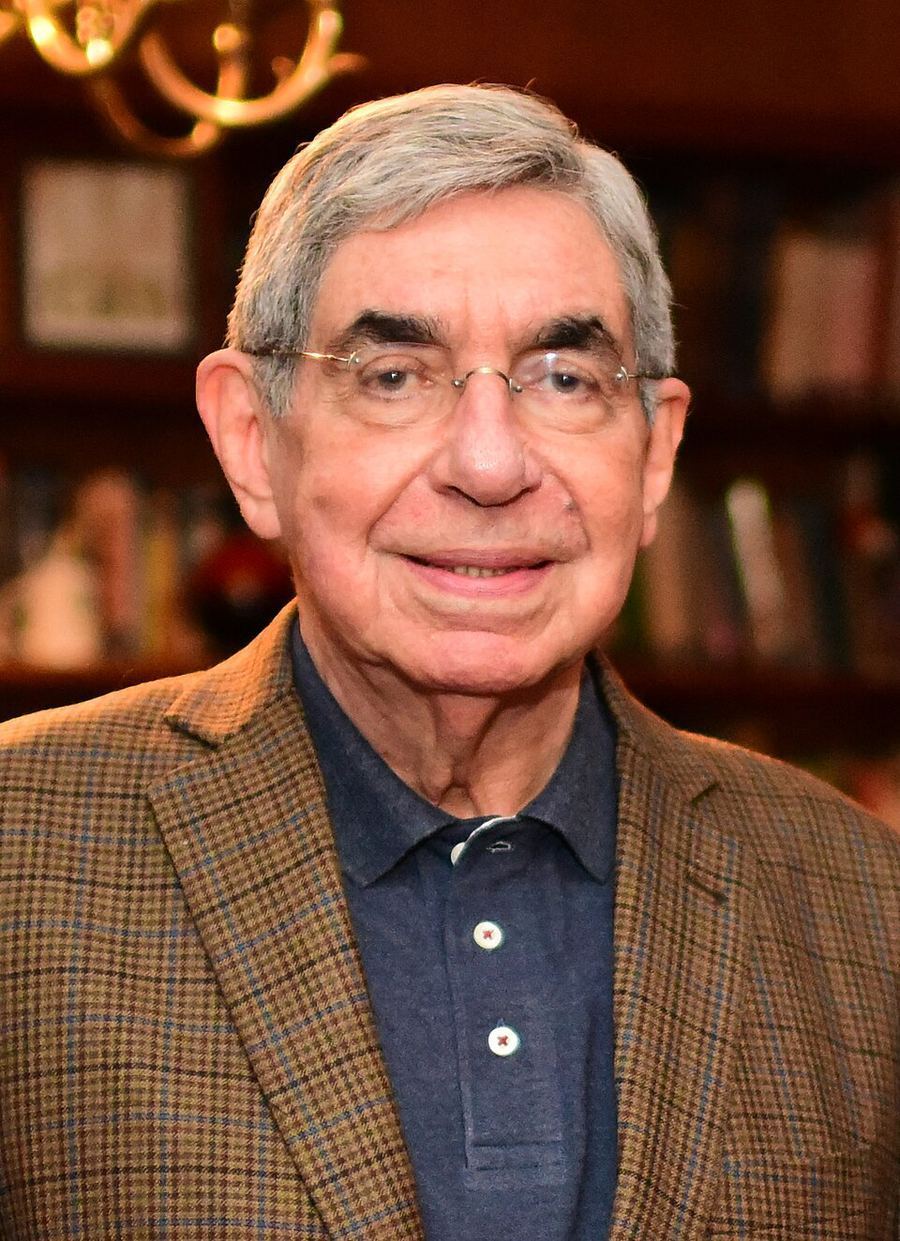
The abolition of the army on 1 December 1948 is the fact Costa Ricans cite first, and the anniversary is a public holiday; the money not spent on the military is conventionally credited with funding the schools and clinics that followed. President Oscar Arias won the Nobel Peace Prize in 1987 for the Esquipulas plan that helped end the Central American wars, and San Jose hosts the Inter-American Court of Human Rights and the UN-mandated University for Peace. Environmentally, the record is genuinely exceptional: national forest cover, which had fallen to around a fifth of the territory by the late 1980s, has been brought back above half through a pioneering system of payments for environmental services, and the electricity grid has run on close to ninety-nine per cent renewable generation for years at a time. That work was recognised internationally with a UN Champions of the Earth award in 2019 and an inaugural Earthshot Prize in 2021. Four UNESCO World Heritage sites — Cocos Island, Guanacaste Conservation Area, La Amistad shared with Panama, and the Diquis stone spheres — anchor the claim. The 2014 football World Cup quarter-final remains the sporting high point.
Points Of Pride, Costa Rica
Rodtico21 / CC BY-SA 3.0

Cultural Fusion

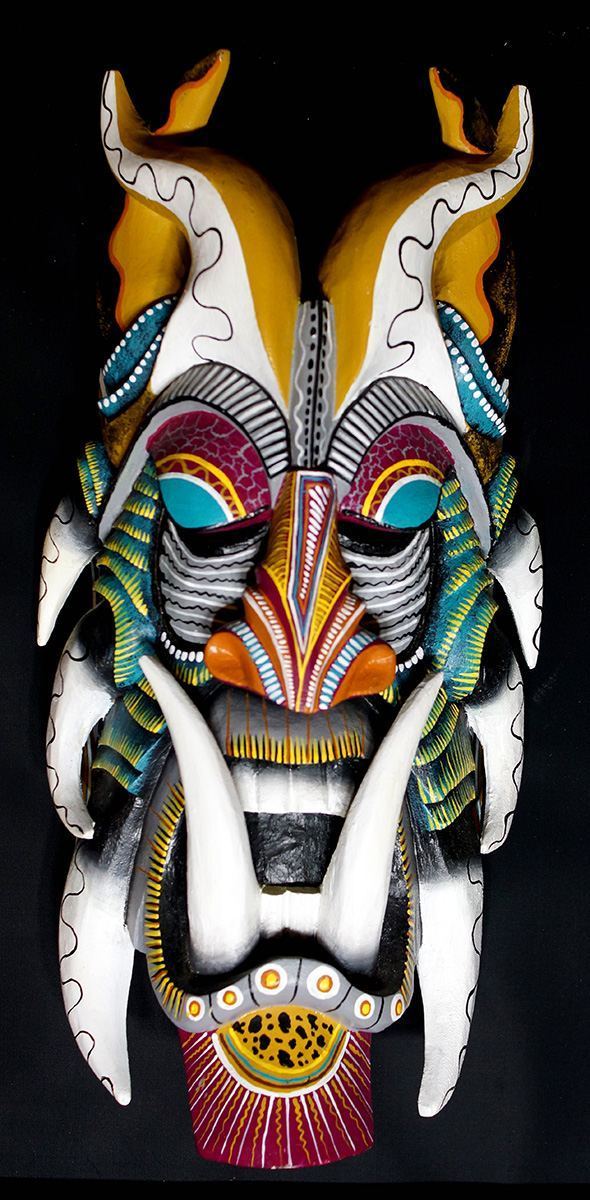
The Central Valley's Spanish-descended smallholder culture is only one of Costa Rica's ingredients, and the country's most interesting cultural seams lie away from it. The Caribbean coast is the clearest: from the 1870s Minor Keith's Atlantic railway and the banana plantations that followed recruited thousands of Jamaican and other Afro-Caribbean workers, whose descendants gave Limon a creole language, a Protestant church tradition, calypso — Walter Ferguson of Cahuita was its great composer — and a cuisine of rice and beans cooked in coconut milk and rondon stew that is unlike anything in San Jose. Chinese labourers arrived in the same railway era and built a lasting community with its own quarter in the capital. Indigenous traditions persist and occasionally assert themselves publicly, most spectacularly in the Boruca Juego de los Diablitos, a three-day festival in which masked devils re-enact and reverse the Spanish conquest, and the carved balsa masks have become a signature national craft. Chorotega pottery at Guaitil in Guanacaste continues pre-Columbian forms. More recently, Nicaraguan migration on a large scale, and Venezuelan and Cuban arrivals, have added new layers to the cities.
Cultural Fusion, Costa Rica
Jan Helebrant / CC0

Music & Dance

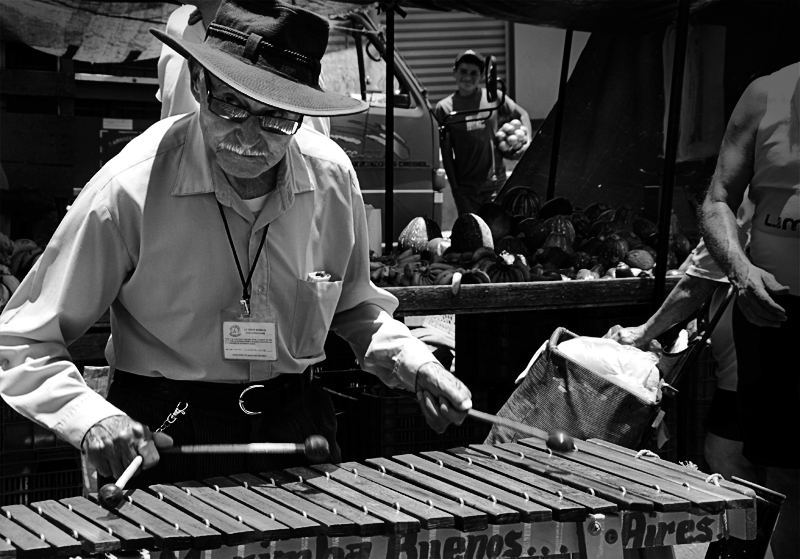
Costa Rica's national dance is the punto guanacasteco, a courtship dance from the northwest performed to marimba accompaniment in which the music halts for the male dancer to deliver a shouted rhyming boast, the bomba, before the tune resumes. The marimba — the large wooden-keyed instrument shared across Central America — is the national instrument, and Guanacaste's repertoire of parranderas, tamboritos and callejeras is the country's most recognisable traditional sound. Cimarronas, informal brass and percussion bands, lead village saints' processions and turno festivals, and the payasos, giant-headed costumed figures, dance alongside them. On the Caribbean coast the tradition is entirely different: calypso in English creole, sung to guitar and improvised percussion and given classic form by Walter Ferguson, along with the drumming and dance of the cuadrilla and the Afro-Caribbean carnival held in Limon each October. Indigenous musical traditions survive among the Bribri and Boruca in flute and drum repertoires attached to ritual. Contemporary Costa Rican popular music runs to salsa, cumbia and reggaeton like the rest of the region, with the singer and songwriter Debi Nova the best-known international name.
Music & Dance, Costa Rica
Cristina Valencia / CC BY 2.0

Cuisine & Misattributed Foods

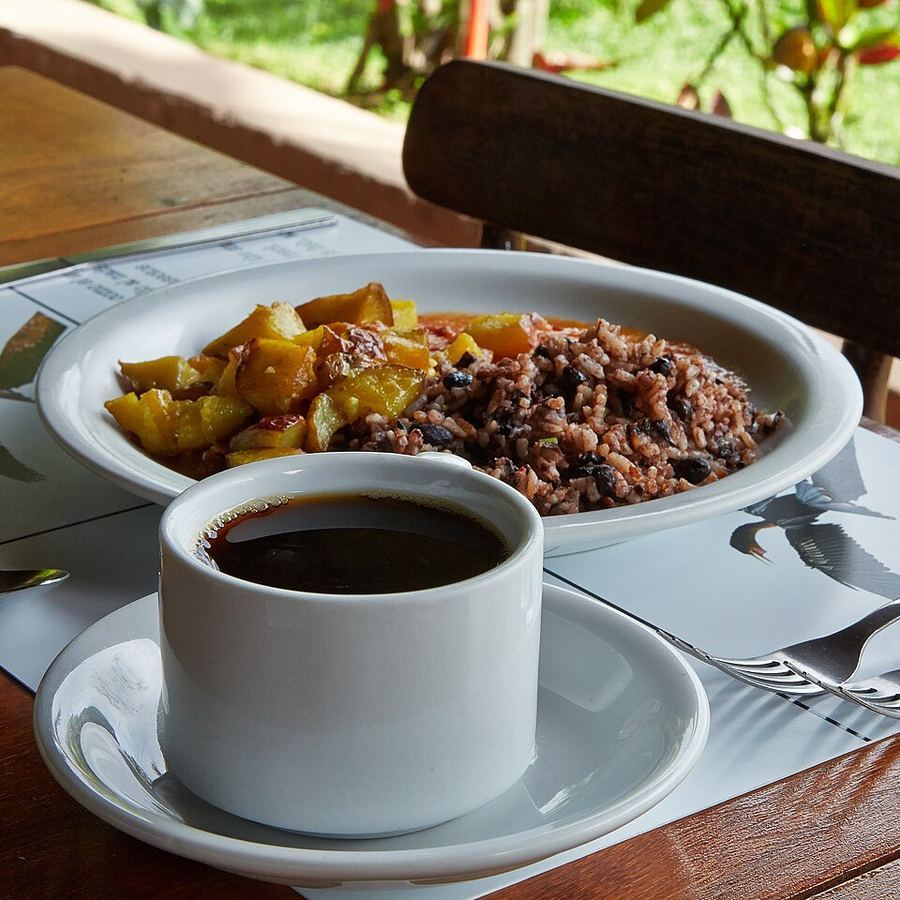
Gallo pinto — rice and black beans fried together with onion, sweet pepper, coriander and a dash of the country's ubiquitous Salsa Lizano — is the Costa Rican breakfast and the dish most often claimed as national, served with eggs, fried plantain, soft cheese and tortillas. Lunch is the casado, a plate that puts rice, beans, salad, plantain and a piece of meat or fish together as a single set meal. Olla de carne, a long-simmered beef soup thick with yuca, chayote, plantain, maize and native tubers, is the Sunday dish; sopa negra, arroz con pollo, picadillos of chopped vegetables, and chifrijo — beans, rice, fried pork and pico de gallo in a bowl — fill out the everyday repertoire. Christmas means tamales wrapped in banana leaf, made in family production lines. The Caribbean coast cooks separately and better known abroad: rice and beans simmered in coconut milk with thyme and Panamanian pepper, rondon seafood stew, patacones and pan bon. Coffee is the national crop and a point of considerable pride, grown on Andean-style highland smallholdings in Tarrazu and the Central Valley, with the country long restricting cultivation to arabica varieties.
Cuisine & Misattributed Foods, Costa Rica
C T Johansson / CC BY 3.0

National Dress

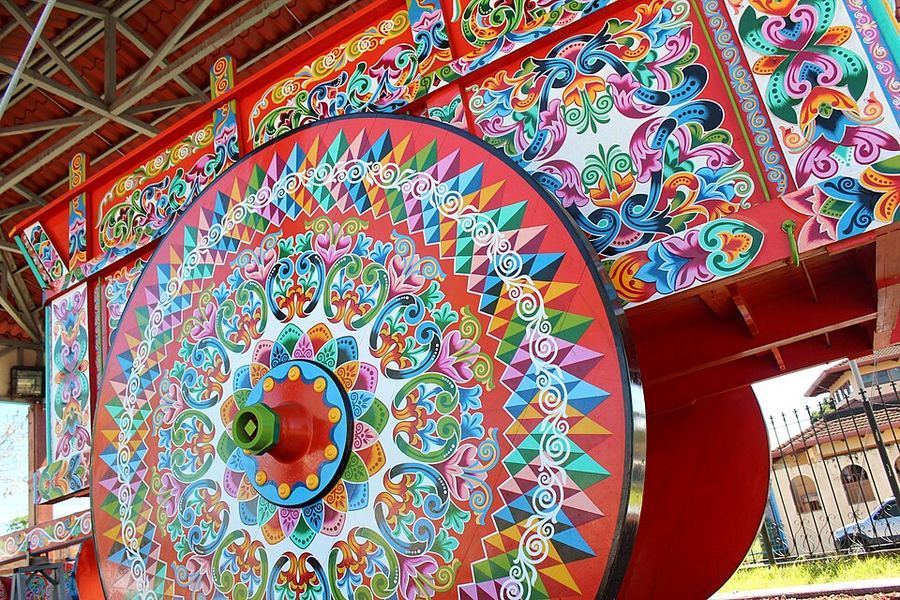
Costa Rica's traditional dress is festival wear rather than daily clothing, and it belongs above all to Guanacaste, where the punto guanacasteco is danced. Women wear a full white skirt with wide bands of bright ruffles, often in the colours of the flag, over petticoats, with an off-the-shoulder embroidered blouse, flowers in the hair and a shawl; the skirt is designed to be gathered and swirled, and the costume is judged partly on how it moves. Men wear white shirt and trousers with a red sash at the waist, a red neckerchief, leather boots and a broad woven hat, the outfit of the sabanero cattle herder cleaned up for the dance floor. Two other traditions carry more visual weight. The painted oxcart, or carreta, made and decorated at Sarchi in intricate radial patterns, is the national craft emblem, and the oxherding tradition that produced it is inscribed by UNESCO as intangible cultural heritage. The Boruca carve and paint balsa devil masks for the Juego de los Diablitos, and wear costumes of sacking and burlap; their masks are now the country's most collected Indigenous art.
National Dress, Costa Rica
Rodtico21 / CC BY-SA 4.0

Sports & Inspiring Athletes

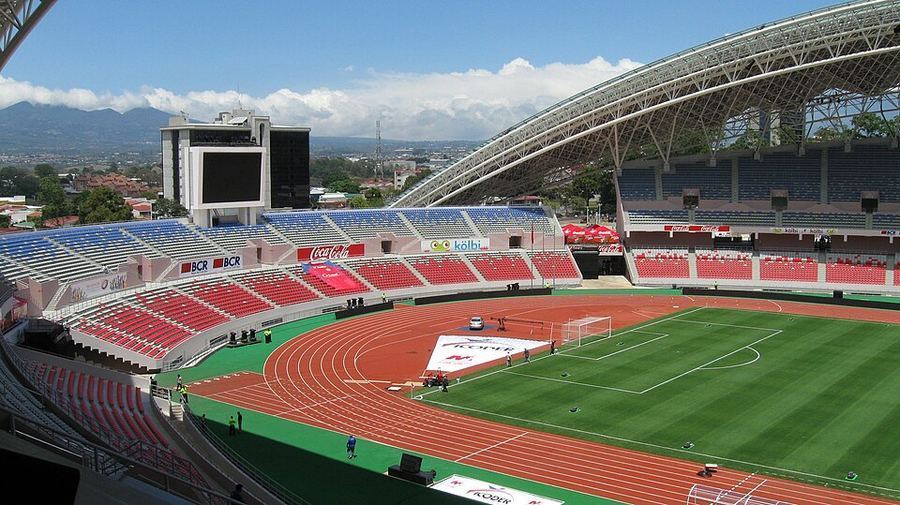
Football is the national sport and the source of the country's greatest collective memory. La Sele reached the quarter-finals of the 2014 World Cup in Brazil after topping a group containing Uruguay, Italy and England, beating Greece on penalties and going out to the Netherlands only on penalties — a run that stopped the country for a fortnight. Costa Rica has qualified for the World Cup six times, more than any other Central American nation apart from Mexico, and Deportivo Saprissa of San Jose and Liga Deportiva Alajuelense contest one of the fiercest club rivalries in the Americas; Saprissa finished third at the FIFA Club World Cup in 2005. Surfing is arguably the second sport, with a domestic competitive circuit feeding international events. Cycling has a strong following through the Vuelta a Costa Rica, and Andrey Amador became the first Costa Rican to finish in the top five of a Grand Tour. Swimming produced the country's Olympic champion; athletics has produced a world indoor champion at 400 metres in Nery Brenes. Basketball, volleyball and the informal weekend mejenga round out participation.
Sports & Inspiring Athletes, Costa Rica
MadriCR / CC BY-SA 4.0

Notable Educational Programs

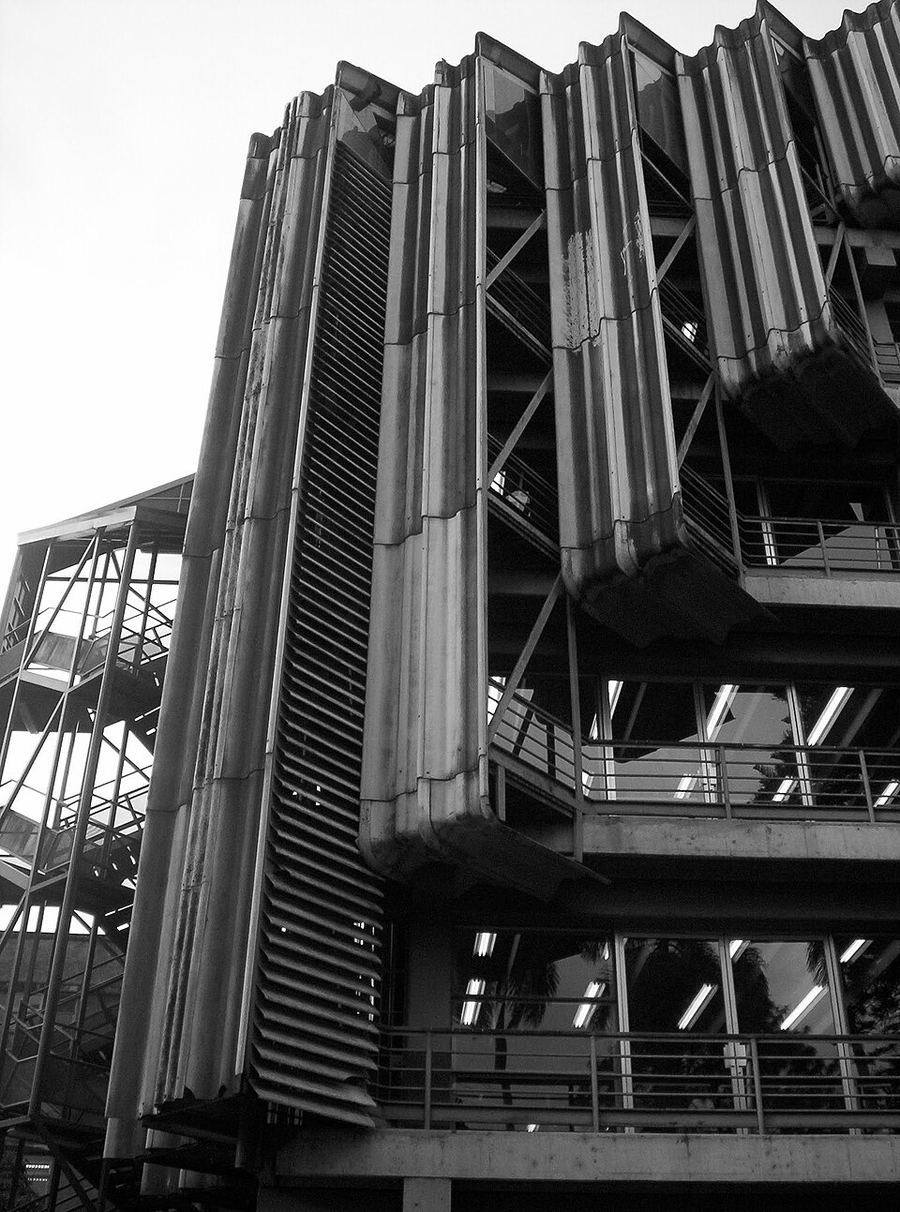
Costa Rica made primary education free and compulsory in 1869, among the earliest countries in the world to do so, and the decision underpins an adult literacy rate close to universal and a public culture that treats teaching as a national vocation. Public spending on education has been among the highest in Latin America as a share of national income, with a constitutional target adopted in 2011 setting a floor of eight per cent of gross domestic product. Higher education is led by the Universidad de Costa Rica, founded in 1940 and based at San Pedro, alongside the Instituto Tecnologico de Costa Rica at Cartago, the Universidad Nacional at Heredia and the distance-teaching Universidad Estatal a Distancia; the Instituto Nacional de Aprendizaje handles vocational training at scale. Two internationally distinctive institutions sit alongside them: EARTH University at Guacimo, which trains agronomists from across the tropics in sustainable agriculture, and INCAE Business School, founded with Harvard involvement, which serves the whole region. San Jose also hosts the University for Peace, established under a United Nations General Assembly resolution in 1980. Persistent gaps in secondary completion and in rural and coastal school quality remain the main policy problem.
Notable Educational Programs, Costa Rica
No machine-readable author provided. ArquiWHAT assumed (based on copyright claims). / Public domain

Wars & Conflicts

Costa Rica's last armed conflict was its own civil war, a forty-four-day struggle in 1948 triggered by the annulment of a presidential election result, in which perhaps two thousand people died. The victorious side, led by Jose Figueres Ferrer, then did something without precedent in the hemisphere: it abolished the armed forces, formally on 1 December 1948 and constitutionally in 1949, leaving the country with police and coastguard services but no army. An attempted invasion from Nicaragua in 1955 was repelled with international support. During the Central American wars of the 1980s Costa Rica was surrounded by conflict and came under heavy pressure to permit the use of its northern border by Nicaraguan Contra forces; President Oscar Arias's Esquipulas II plan, agreed in 1987, set out the framework that ultimately ended the region's wars and won him the Nobel Peace Prize. Since then the country has had no armed conflict. Its most acute security burden today is humanitarian: it hosts one of the highest per-capita asylum caseloads in the world, driven by Nicaraguans since 2018, and migrants crossing the isthmus from the Darien transit its territory in large numbers.
Current as of 2026-08-06
Wars & Conflicts, Costa Rica
Mariordo (Mario Roberto Durán Ortiz) / CC BY-SA 4.0

Land & Border Disputes

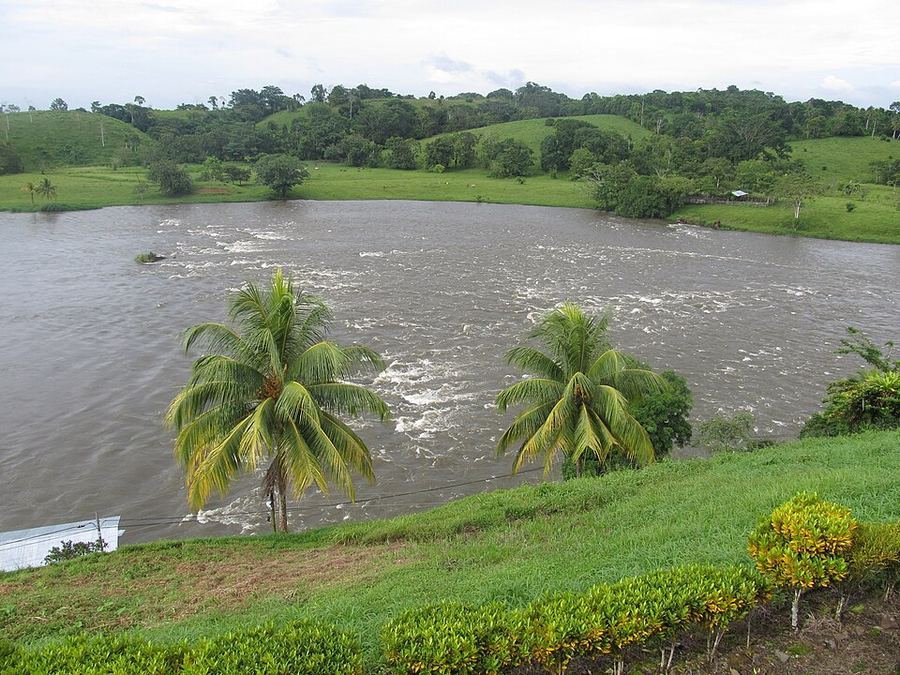
Costa Rica's boundary questions have all involved Nicaragua, and all have been taken to the International Court of Justice rather than resolved by force — an approach that is itself a point of national identity. In 2009 the Court ruled on navigational rights on the San Juan River, confirming Nicaraguan sovereignty over the river while upholding Costa Rican rights of navigation for commercial purposes. A more serious dispute followed Nicaraguan dredging works and the cutting of a channel on Isla Portillos near the mouth of the river: in its 2015 judgment on Certain Activities the Court found that Nicaragua had violated Costa Rican territorial sovereignty, and in 2018 it awarded Costa Rica compensation for environmental damage — the first such award in the Court's history, and a precedent of wide interest in international environmental law. In a separate 2018 judgment the Court delimited the two states' maritime boundaries in both the Caribbean Sea and the Pacific Ocean. The border with Panama is settled by treaty and the two states share the La Amistad transboundary World Heritage site. Costa Rica has concluded maritime delimitation agreements with Colombia and Ecuador covering the waters around Cocos Island.
Land & Border Disputes, Costa Rica
Stoschmidt / CC BY 3.0
Land, Life & Legacy

Land & Climate

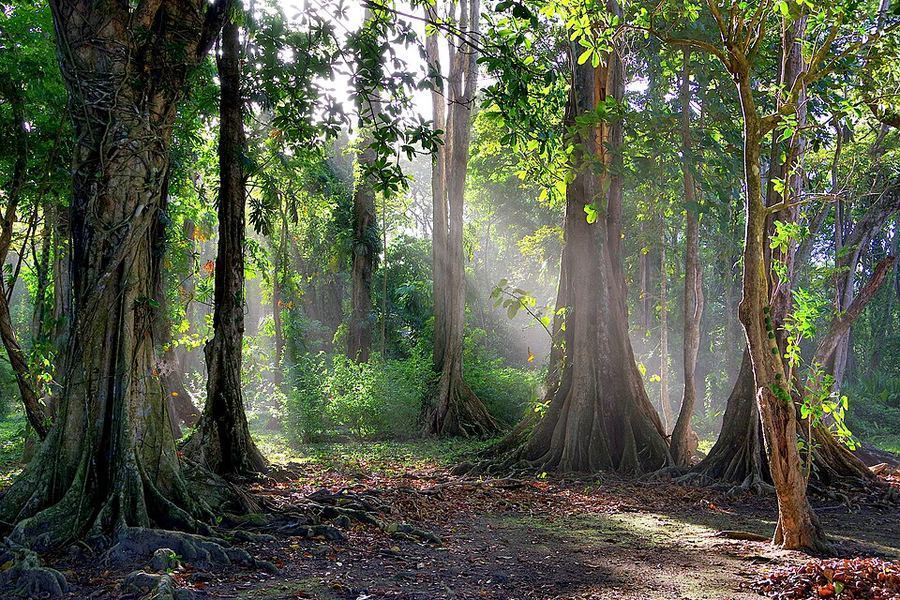
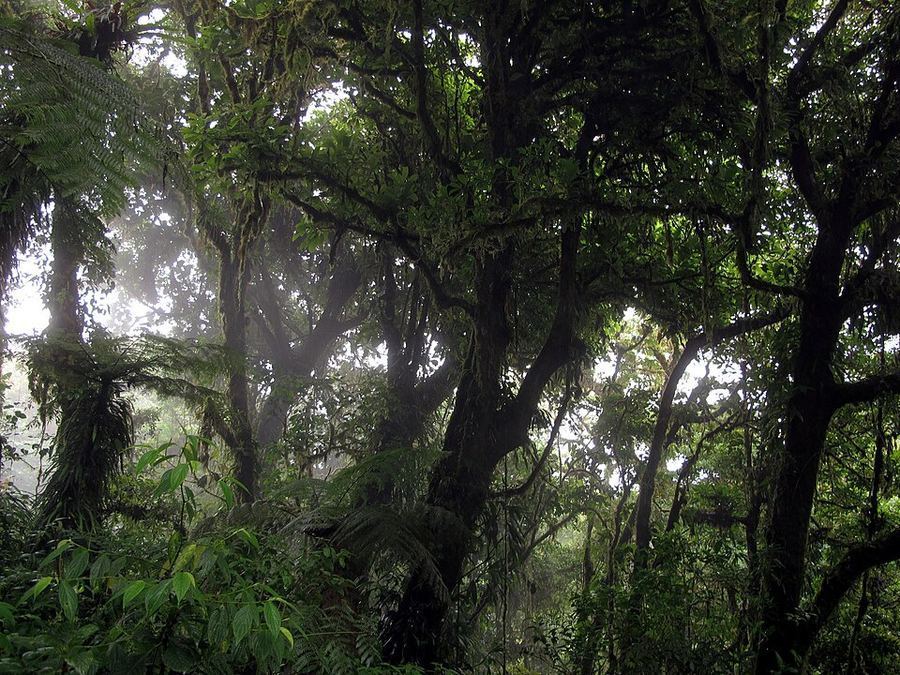
Costa Rica is small — about fifty-one thousand square kilometres — and vertically dramatic. A volcanic spine runs the length of the country in four ranges: the Guanacaste and Tilaran cordilleras in the northwest, the Cordillera Central with the active cones of Poas, Irazu, Turrialba and Arenal, and the older, non-volcanic Talamanca range in the south, where Cerro Chirripo reaches 3,821 metres, the highest point in the country. Between the Central and Talamanca ranges lies the Central Valley, a fertile temperate basin at around 1,000 to 1,500 metres holding San Jose, Alajuela, Heredia and Cartago and most of the population. The Pacific side is indented into the Nicoya and Osa peninsulas and the Gulf of Nicoya, with a marked dry season from December to April; the Caribbean lowland, by contrast, is wet through most of the year and covered in dense forest. Cocos Island lies some five hundred kilometres offshore in the Pacific, surrounded by a marine protected area that the country expanded dramatically in 2021 and 2022. This compression of climates within a few hours' drive is what generates the country's biodiversity, estimated at around five per cent of the world's known species.
Land & Climate, Costa Rica
Rhododendrites / CC BY-SA 4.0

Entertainment

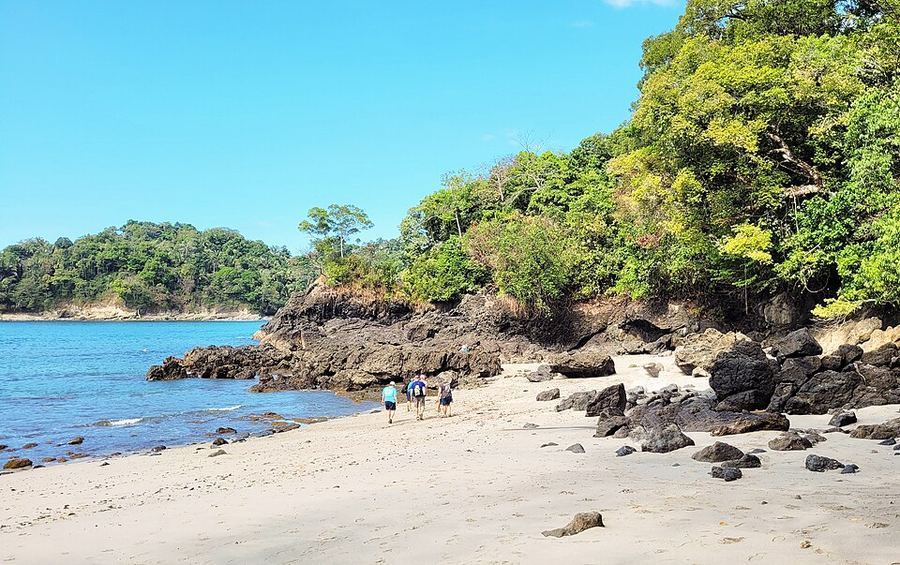
Costa Rican leisure is mostly out of doors. Surfing is close to a national industry on both coasts, from Tamarindo and Santa Teresa on the Pacific to the long left-hand point break at Pavones and the heavy reef wave of Salsa Brava at Puerto Viejo. Weekends run to the beach, to the hot springs and hanging bridges around Arenal, to whitewater rafting on the Pacuare, and to the national parks — Manuel Antonio, Tortuguero for turtle nesting, Corcovado on the Osa Peninsula, and Monteverde's cloud forest, where the commercial zip-line canopy tour was developed and from which it spread worldwide. Football is the constant background: neighbourhood mejengas on any pitch, and the Saprissa-Alajuelense clasico dividing families. The turno, a village fair with food stalls, a cimarrona band and a topes horse parade, is the standard local festival, and the year ends with the Zapote fiestas in San Jose, where bull-riding and the distinctive Costa Rican bullfight — in which the animal is not killed and the crowd runs in the ring with it — draws enormous television audiences. The Nicoya Peninsula's reputation as a longevity blue zone has added a further layer of visitor interest.
Entertainment, Costa Rica
Bernard Gagnon / CC0

Art & Museums

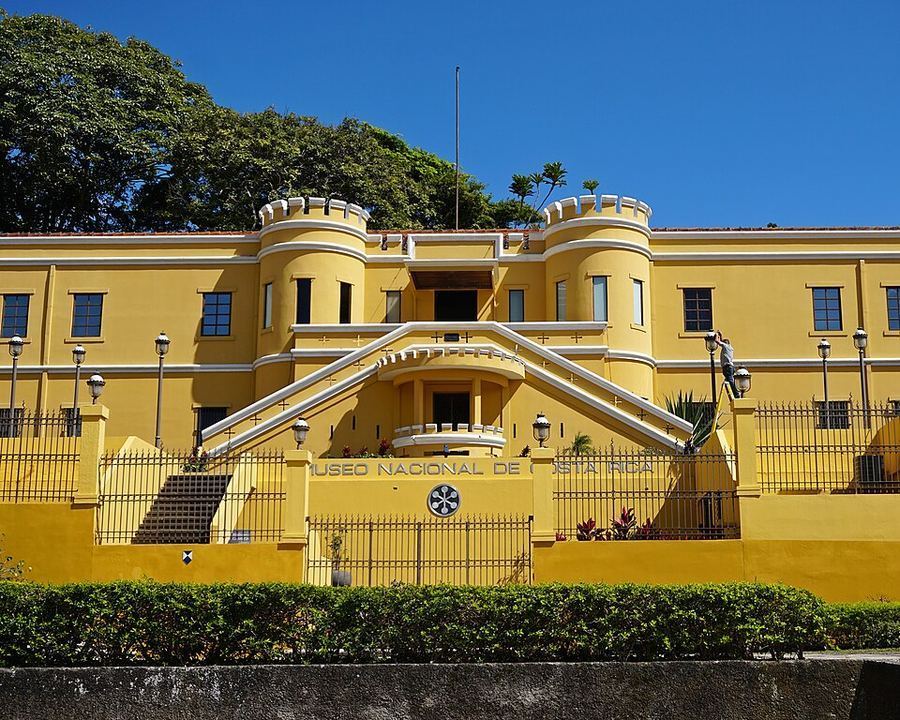
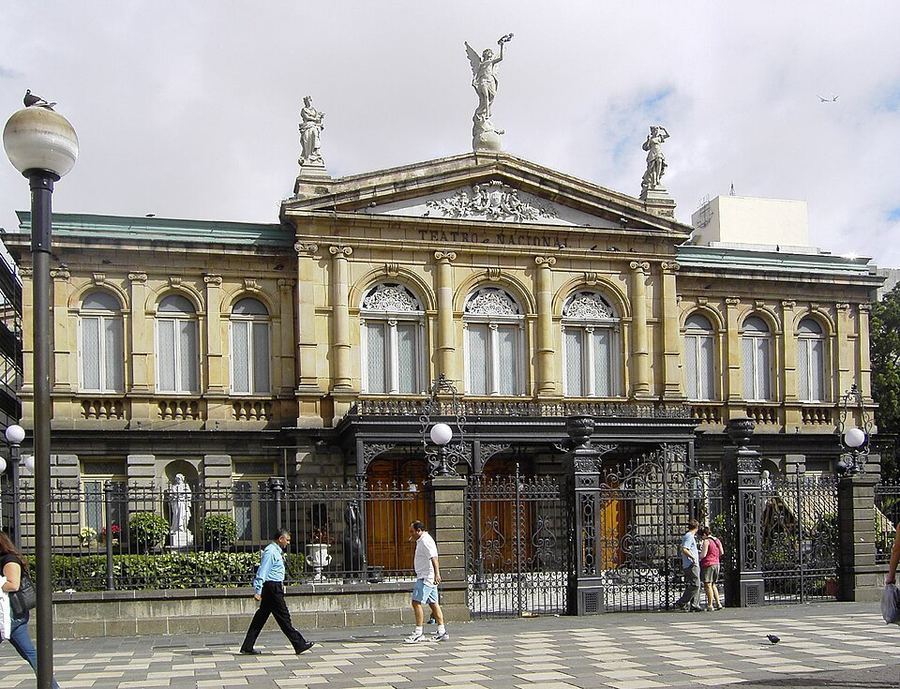
Costa Rican visual art found its national voice in the 1920s and 1930s with a landscape school that took the adobe farmhouse, the oxcart and the volcano-backed valley as its subjects; Teodorico Quiros led it, and the printmaker and muralist Francisco Amighetti, whose woodcuts are among the finest produced in Central America, remains the country's most admired artist. Max Jimenez worked across sculpture, painting and writing; Francisco Zuniga, born in San Jose, became one of the major figurative sculptors of the Americas after moving to Mexico; and Jorge Jimenez Deredia's monumental stone work includes a statue installed in St Peter's Basilica in Rome. The country's two outstanding museum collections are pre-Columbian: the Museo del Oro Precolombino beneath the Plaza de la Cultura in San Jose, and the Museo del Jade, which holds the largest collection of pre-Columbian American jade anywhere. The Teatro Nacional, completed in 1897 and financed by a levy on coffee exports, is the emblematic building of the republic. In literature, Carlos Luis Fallas's novel of the banana plantations, Mamita Yunai, and the work of Carmen Naranjo are the standard reference points.
Art & Museums, Costa Rica
Richie Diesterheft derivative work: MrPanyGoff / CC BY 2.0

Notable People

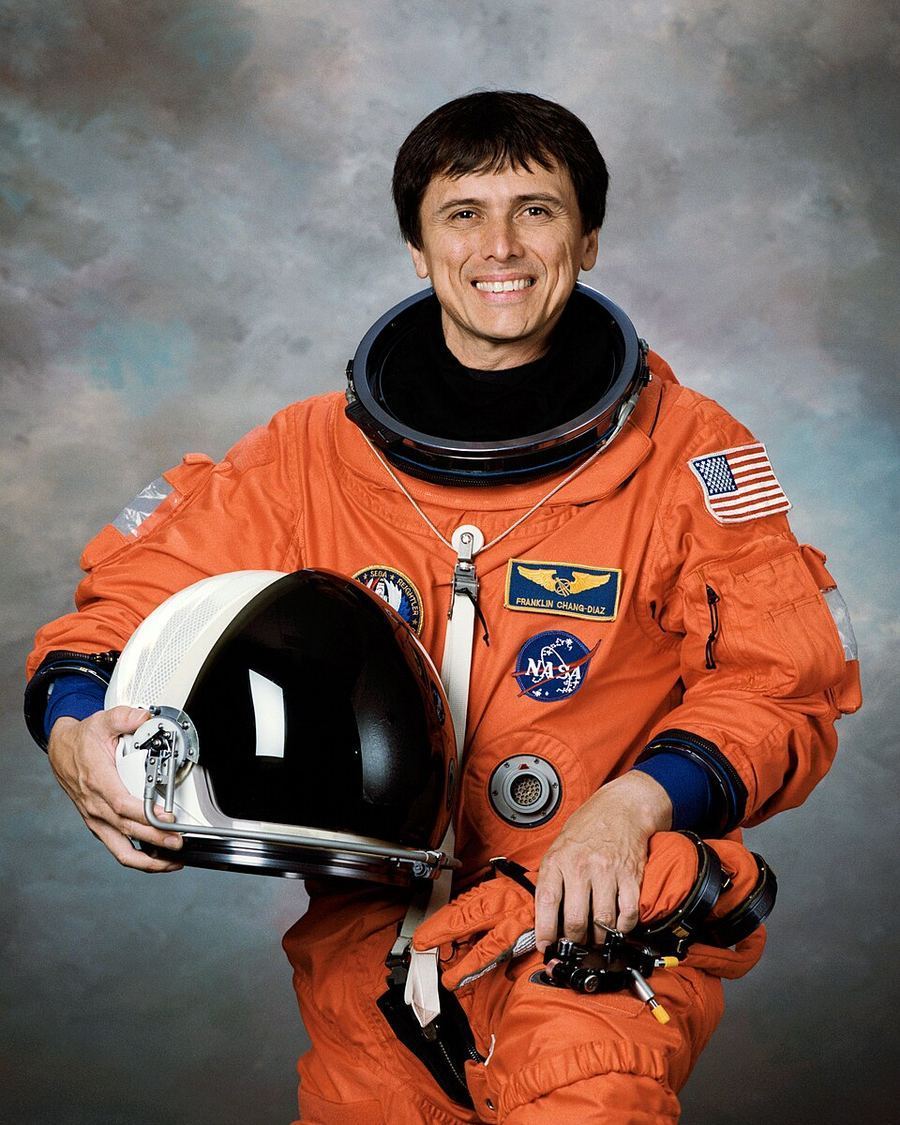
Jose Figueres Ferrer, known as Don Pepe, won the 1948 civil war, abolished the army, extended the vote to women and Afro-Costa Ricans in the 1949 constitution, and served three times as president. Oscar Arias Sanchez won the Nobel Peace Prize in 1987 for the Central American peace plan agreed at Esquipulas, and served as president twice. Laura Chinchilla became the country's first woman president in 2010. Juan Santamaria, the drummer boy killed firing the enemy position at Rivas in 1856, is the national hero and gives his name to the main international airport. Franklin Chang Diaz, born in San Jose, flew seven Space Shuttle missions for NASA — a record shared with one other astronaut — and afterwards founded a company developing plasma rocket propulsion, with a laboratory in Guanacaste. In sport, Keylor Navas kept goal for Real Madrid through three consecutive Champions League titles; Claudia Poll won Olympic gold in the 200 metres freestyle in 1996, having followed her sister Silvia, the country's first Olympic medallist. The singer Chavela Vargas, born in Costa Rica and celebrated in Mexico, is claimed by both countries.
Notable People, Costa Rica
MadriCR / CC BY-SA 4.0

Inventions & Breakthroughs

Costa Rica's most exported inventions are policies rather than products. The system of payments for environmental services, established in law in 1996 and 1997 and financed largely by a tax on fuel, pays landowners directly to conserve forest for its carbon, water and biodiversity value; it is credited with reversing one of the fastest deforestation rates in the world, and it has been studied and adapted by governments across the tropics as the pioneering national scheme of its kind. The abolition of the army in 1948, written into the constitution the following year, is an institutional design choice that no other state of comparable size and exposure has sustained for as long. In the private economy, the commercial canopy zip-line tour was developed in Monteverde in the 1990s out of a rig originally built for forest-canopy research, and became a standard adventure-tourism format worldwide. The National Biodiversity Institute's bioprospecting agreement with the pharmaceutical firm Merck in 1991 was the first of its kind and became the reference case in international debates over access to genetic resources and benefit sharing. Franklin Chang Diaz's plasma rocket work is the country's most ambitious hardware project.
Inventions & Breakthroughs, Costa Rica
Haakon S. Krohn / CC BY-SA 3.0

Science & Technology

Costa Rica's technological economy was reshaped by a single decision: Intel's choice in 1996 to build a semiconductor assembly and test plant near San Jose, which pulled the country into electronics supply chains, raised expectations of the education system and demonstrated that a small state could attract advanced manufacturing. Medical devices followed and are now the largest export category — instruments, orthopaedic appliances and diagnostics produced in free-trade zones around the Central Valley — which is why the country's export profile looks more like a high-income economy's than a Central American one's. Environmental science is the other strength: the National Biodiversity Institute pioneered systematic inventory and the 1991 bioprospecting agreement with Merck, and the country's payments-for-environmental-services scheme is one of the most studied conservation instruments anywhere. The electricity system, drawing on hydropower, geothermal energy from the volcanic ranges, wind and solar, has run at or near ninety-nine per cent renewable generation for extended periods. Franklin Chang Diaz's Ad Astra company develops plasma propulsion at a laboratory in Guanacaste, and the Instituto Tecnologico de Costa Rica built and launched the country's first satellite, a cubesat, in 2018.
Science & Technology, Costa Rica
NASA / Public domain
On The World Stage
Champions of Costa Rica

Champions & Defining Moments

Costa Rica's international sporting profile rests on two pillars. The first is football: the 2014 World Cup quarter-final, and the export of players to Europe, chief among them Keylor Navas, whose years as Real Madrid's goalkeeper coincided with three consecutive Champions League titles and made him the most decorated Costa Rican athlete in any sport. The second is swimming: Silvia Poll won the country's first Olympic medal, a silver in the 200 metres freestyle in Seoul in 1988, and her younger sister Claudia Poll won gold in the same event in Atlanta in 1996 — still Costa Rica's only Olympic title. Nery Brenes took the 400 metres title at the World Indoor Championships in 2012. Surfing has given the country a growing Olympic presence since the sport's introduction, with Brisa Hennessy competing for Costa Rica at the Games. As a host, Costa Rica staged the FIFA Under-17 Women's World Cup in 2014 and the Under-20 Women's World Cup in 2022, and the country regularly hosts Central American and CONCACAF competition at the Estadio Nacional in San Jose.

IOCOlympediaFIFAWorld Athletics
Government & Leadership

Presidential republic

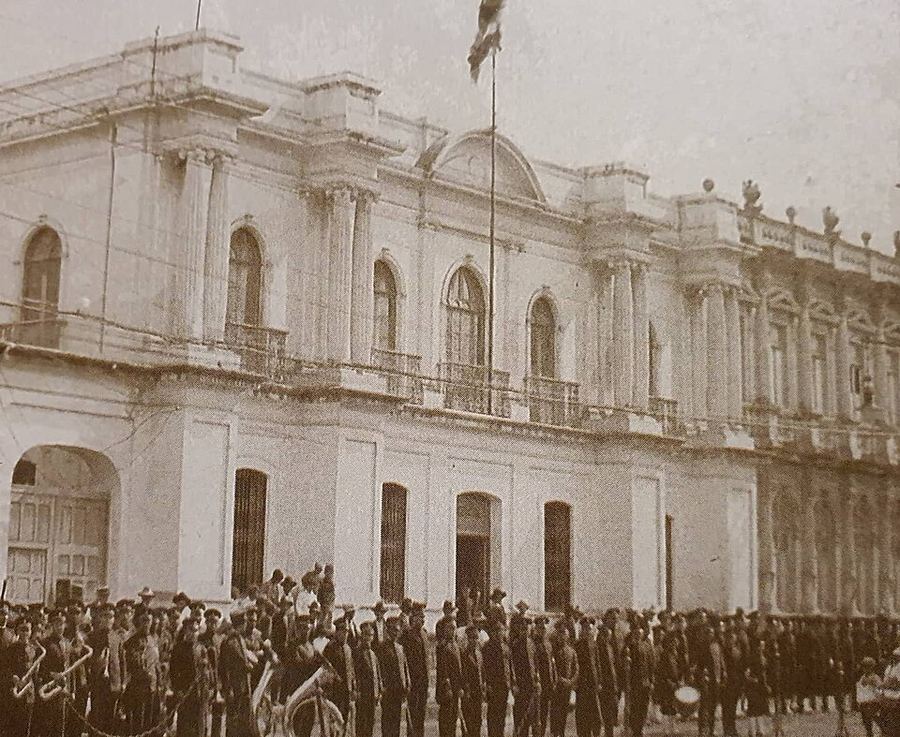
Seat of the executive

Executive

Rodrigo Chaves Robles — President

In office since 8 May 2022

archivo digital / Public domain
The legislature

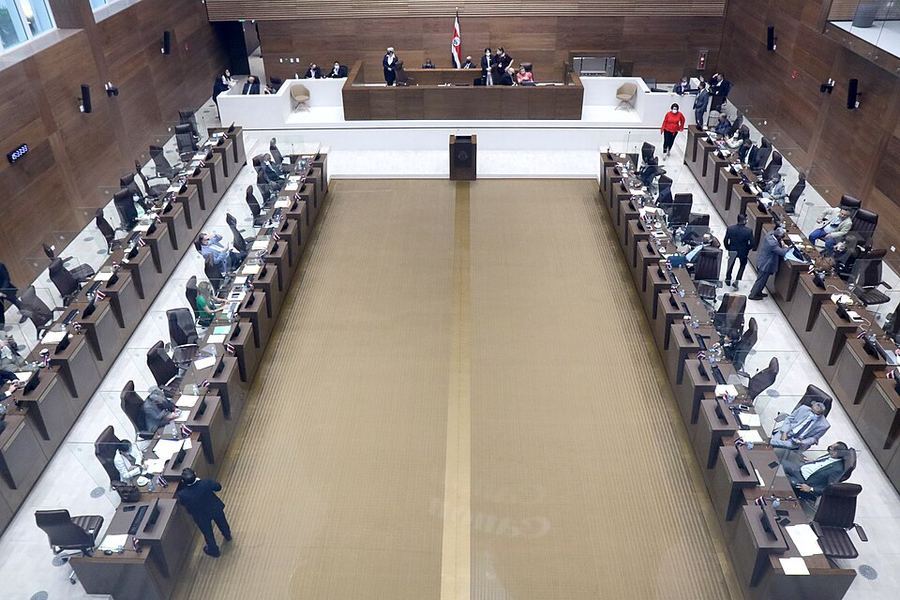
Legislative Assembly (Asamblea Legislativa)

Unicameral

Composition — PLN largest party

PLN 19 · PPSD 10 · USC 9 · NR 7 · FA 6 · LP 6

Last election 2/6/2022 · 49.1% women

Supreme Court of Justice

consists of 22 judges organized into 3 cassation chambers each with 5 judges and the Constitutional Chamber with 7 judges

Economy, Trade & Government

Currency & GDP

Costa Rican Colon — CRC (₡)

GDP (PPP): $138.371 billion (2024 est.)

Per capita: $27,000 (2024 est.)

Exports

$36.77 billion (2024 est.)

medical instruments, integrated circuits, orthopedic appliances, bananas, tropical fruits (2023)

Partners: USA 40%, Netherlands 6%, China 5%, Guatemala 4%, Belgium 3% (2023)

Imports

$30.459 billion (2024 est.)

refined petroleum, plastic products, cars, medical instruments, broadcasting equipment (2023)

Partners: USA 38%, China 15%, Mexico 6%, Brazil 3%, Guatemala 3% (2023)

Government

Type: presidential republic

Independence: 15 September 1821 (from Spain)

Terrain → Where People Live

How mountains, coasts, and rivers shape settlement (LandScan).

Coming — data

Migration & Ethnic Settlement

Where groups settled and how people move (GeoEPR + UNHCR).

Coming — data

Universities

Notable institutions, mappable as points.

Coming — data
Economy & government facts: CIA World Factbook (public domain), via OpenFactBook / factbook.json.
Every fact and narrative claim will carry a visible source citation. Data-driven sections light up automatically wherever HERA has coverage.