HERA · Human Entity Reference Atlas by Masego Inc

← Canada
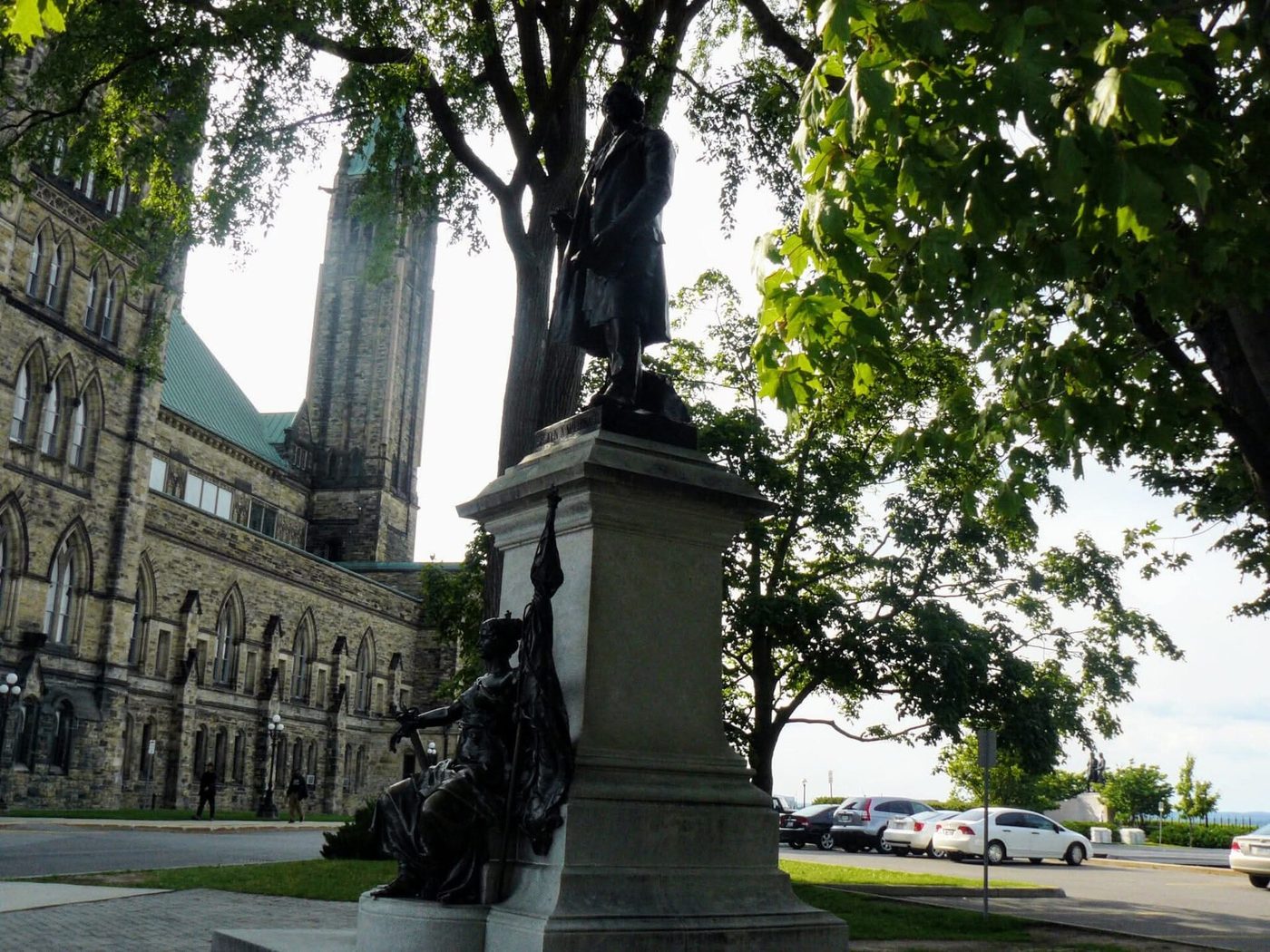
Parliament Hill monument Ottawa Canada, Canada
Canada CAN
Parliament Hill monument Ottawa Canada — Photo: Salwa Farwaneh Dameh / CC0 via Wikimedia Commons
Did You Know Basketball was invented by a Canadian: James Naismith, born in Almonte, Ontario, nailed up the first peach baskets and wrote the game's 13 original rules in 1891. — Encyclopaedia Britannica

Canada occupies the second-largest land area of any country on Earth, yet most of its people, 41.8 million by Statistics Canada's mid-2026 estimate, live in a narrow ribbon hugging the United States border, leaving the boreal forest and Arctic archipelago among the emptiest inhabited landscapes anywhere. A federal parliamentary democracy and Commonwealth realm governed from Ottawa, the country binds ten provinces and three vast northern territories into one of the world's most decentralized federations, with two official languages: English, spoken by 87 percent, and French, spoken by 29 percent and dominant in Quebec. Prime Minister Mark Carney's Liberals, returned as a minority in April 2025, reached a working majority of 174 seats in April 2026 after a run of by-election wins and floor-crossings. The economy is a resource-and-manufacturing hybrid worth $2.34 trillion at purchasing power parity, shipping crude petroleum, cars, gold, and natural gas abroad; a striking 71 percent of exports go to the United States, a dependency laid bare by the tariff war that has dominated national life since 2025. Canada is also an immigration country by design: nearly a quarter of residents were born abroad, though sharp curbs on temporary residents cut annual growth in 2025-26 to its slowest since the 1940s. Median age is 42.8, the population is aging, and the 2026 Census, taken on 12 May, will report its first counts in February 2027.

CIA World Factbooknational censusnational statistics officeEncyclopaedia Britannica
Population
39,187,155
Capital
Ottawa
Currency
$ CAD
Time zones
—
Largest city
Toronto

Human Geography Themes

Loading national figures…

Largest Cities

Toronto5,566,382
Montreal3,292,306
Vancouver2,198,107
Calgary1,524,649
Edmonton1,144,486
Winnipeg752,808
Quebec619,036
Ottawa604,618

In Perspective

Toronto's urban core is home to about 5,566,382 people.

That's bigger than Chicago, Sydney, Barcelona and Berlin — each a great world city in its own right.

Toronto5,566,382
Chicago5,318,735
Sydney4,375,394
Barcelona3,908,362
Berlin3,601,776

Among the world's megacities, though, it's one of many — the giants of Asia and Latin America run larger still:

Toronto5,566,382
Jakarta40,545,126
Dhaka37,307,160
Tokyo33,244,670
Shanghai30,678,616
Cairo25,230,325

More people live in Toronto than in the entire nation of Norway, Ireland or New Zealand.

The Country & Its People

History

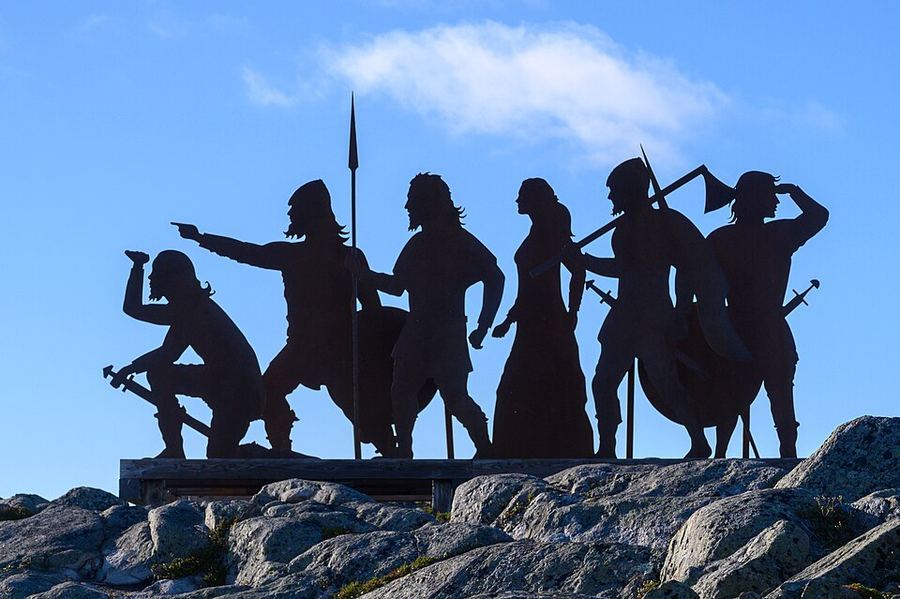
People have lived in what is now Canada for well over 12,000 years, from Haida villages on the Pacific to Inuit camps on the Arctic ice; Norse sailors touched down at L'Anse aux Meadows in Newfoundland around 1000 CE, the only authenticated Viking site in North America and now a UNESCO World Heritage property. Jacques Cartier claimed the Gulf of St. Lawrence for France in 1534, Samuel de Champlain founded Quebec City in 1608, and a century and a half of fur-trade rivalry ended when Britain took New France in 1763. Four colonies confederated as the Dominion of Canada on 1 July 1867, a transcontinental railway stitched the country together by 1885, and the Statute of Westminster recognized legislative independence in 1931. Canada patriated its constitution in 1982, adding the Charter of Rights and Freedoms; Quebec came within 55,000 votes of voting to secede in 1995; and in 1999 the map was redrawn to create Nunavut, an Inuit-majority territory covering a fifth of the country. The 2008-2015 Truth and Reconciliation Commission confronted the residential-school system, reshaping how Canadians tell this whole story.
History, Canada
Gordon Leggett / CC BY-SA 4.0

Culture

Canada was the first country in the world to adopt official multiculturalism as state policy, in 1971, and the preferred national metaphor is a mosaic rather than a melting pot: communities are expected to keep their languages, foods, and festivals while sharing civic life. Layered over that is a founding duality, with francophone Quebec maintaining its own legal tradition, star system, and cultural institutions behind the walls of North America's only fortified city north of Mexico, and an Indigenous resurgence bringing First Nations, Inuit, and Metis art, language revitalization, and political voice to the center of public life. Canadian letters punch far above the country's population, from Margaret Atwood's dystopias to Alice Munro's Nobel Prize-winning short stories and Leonard Cohen's poetry-turned-song; in October 2026 the Toronto-born poet and classicist Anne Carson became the second Canadian writer to win the Nobel Prize in Literature, cited for creating new forms in playful dialogue with the classical tradition. The Group of Seven painters made the raw northern landscape itself the national icon. The stereotype of relentless politeness contains real truth, but so does a quieter one: a society that argues constantly, in two languages, about what it means to share a country this large, and mostly settles the argument peacefully.
Culture, Canada
Wilfredor / CC0

Points Of Pride

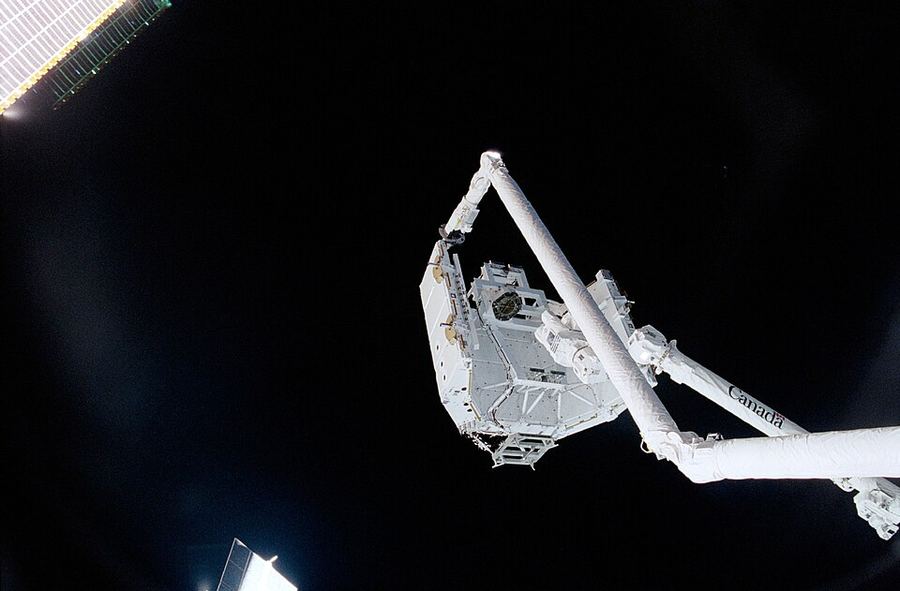
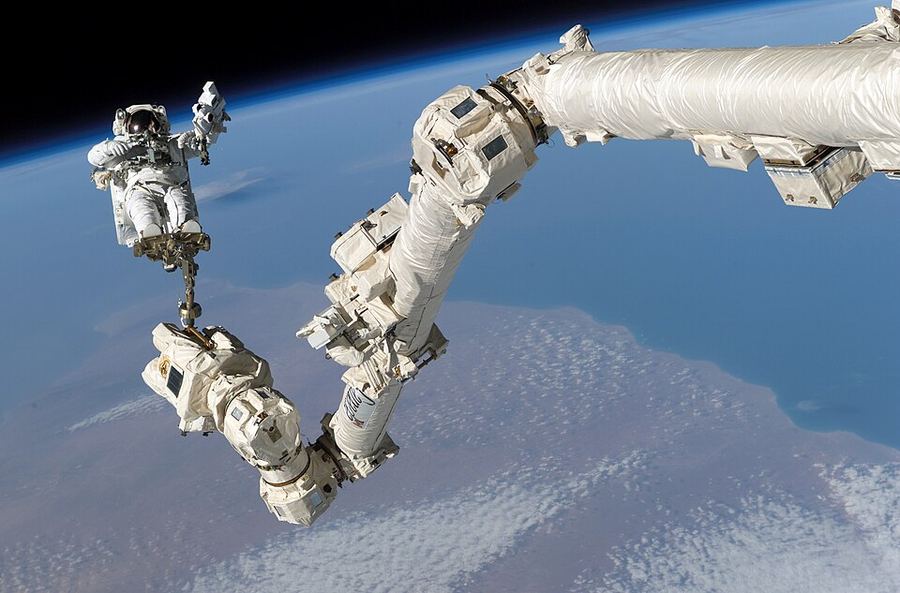
Canadians tend to define themselves by public goods. Universal, publicly funded health care, pioneered in Saskatchewan and adopted nationwide in the 1960s, regularly tops surveys of national pride. Lester Pearson won the 1957 Nobel Peace Prize for inventing modern UN peacekeeping during the Suez Crisis, and blue-helmet service became a defining self-image for generations. Canadian science has a claim on millions of lives saved: Frederick Banting and Charles Best isolated insulin at the University of Toronto in 1921-22, and Banting shared the 1923 Nobel Prize; the university sold the patent for a token sum so the discovery would stay affordable. The Canadarm robotic manipulator became the country's signature contribution to the Space Shuttle and International Space Station. Canada also boasts the world's longest coastline, at roughly 202,000 kilometres across three oceans, and one of the most educated populations in the OECD, with about two-thirds of working-age adults holding post-secondary credentials, the highest share among member countries. Add a private refugee-sponsorship program that lets ordinary citizens resettle families directly, a model the UN has urged other countries to copy.
Points Of Pride, Canada
NASA / Public domain

Cultural Fusion

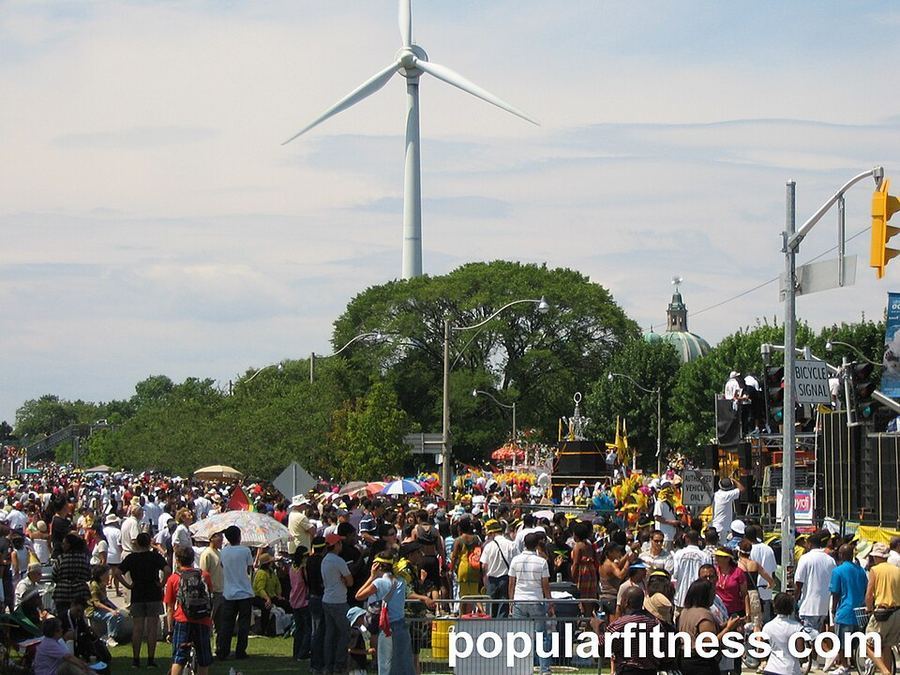
Canada runs one of the largest sustained immigration programs on the planet, and the 2021 census counted about 23 percent of residents born abroad, the highest share in the G7. The blending shows up in the language data: after English and French come Chinese languages, Spanish, Punjabi, Arabic, and Tagalog, and Canada's Sikh community, at roughly two percent of the population, is among the largest anywhere outside India. Toronto is routinely cited among the world's most diverse cities, with nearly half its residents foreign-born, while suburbs like Brampton and Surrey have become global capitals of Punjabi culture. The engine has throttled back for now: with Ottawa shrinking the pool of temporary residents, Statistics Canada counted growth of just 0.5 percent in the year to July 2026, the smallest annual increase since 1944-45, even as some 99,000 new permanent residents arrived in the second quarter alone. Fusion is not new here: the Metis Nation itself was born of the fur trade, as French and Scottish traders married Cree and Ojibwe women and their descendants forged a distinct people with their own flag, fiddle music, and Michif, a remarkable mixed language combining French nouns with Cree verbs that linguists catalogue as one of the world's rare true mixed languages. Today Diwali fireworks, Lunar New Year parades, Eid festivals, and Caribbean carnival share the civic calendar with Canada Day and Saint-Jean-Baptiste.
Cultural Fusion, Canada
Peter Kudlacz / CC BY 2.0

Music & Dance

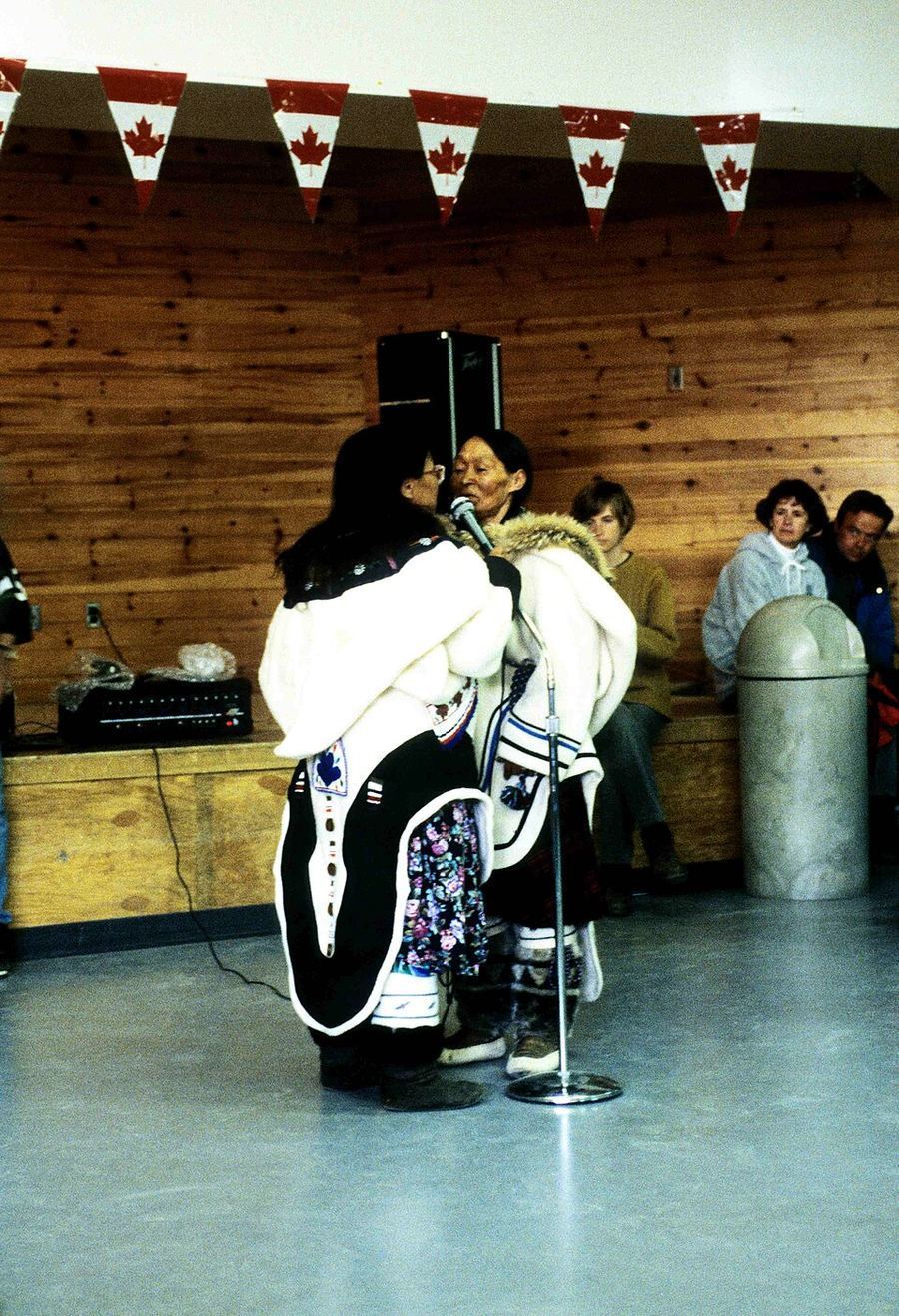
Canada exports pop stars at an improbable rate: Celine Dion, Joni Mitchell, Leonard Cohen, Neil Young, Shania Twain, Drake, and The Weeknd all grew up here, and for stretches of the streaming era Toronto artists have dominated global charts. Underneath the star system run deep vernacular traditions. Cape Breton Island preserves a Scottish fiddle style so archaic that Scottish players travel there to relearn their own past, while Quebecois folk bands drive reels with podorythmie, percussive foot-tapping performed seated. The Metis Red River Jig fuses First Nations footwork with European fiddle, danced at speeds that turn it into a competitive sport. In the Arctic, Inuit katajjaq throat singing pairs two women face to face in a rhythmic duel of breath and guttural tones that ends when one laughs; once suppressed by missionaries, it is now a celebrated emblem performed at national ceremonies. Powwow drum groups and jingle-dress dancers anchor summer gatherings across the country. Institutionally, the Royal Winnipeg Ballet is among North America's oldest ballet companies, and Quebec gave the world Cirque du Soleil, which reinvented the circus as theatrical spectacle.
Music & Dance, Canada
Ansgar Walk / CC BY-SA 2.5

Cuisine & Misattributed Foods

Canada's most famous dish is gloriously unpretentious: poutine, fries buried under cheese curds and hot gravy, invented in rural Quebec in the 1950s and now dressed up by chefs with everything from lobster to foie gras. The country produces roughly three-quarters of the world's maple syrup, the vast majority tapped in Quebec's sugar bush each spring, and guards a strategic maple syrup reserve as if it were oil. Regional tables are distinct: Montreal argues with New York over bagels (Montreal's are wood-fired, denser, sweeter) and cures its own smoked meat; the Atlantic provinces land lobster, snow crab, and scallops; Prince Edward Island grows the iconic potato; and the Prairies grow the canola that Canadian plant breeders invented, its name a contraction of Canada and oil. Winter classics include tourtiere meat pie at Quebec Christmas tables, butter tarts and Nanaimo bars for the sweet tooth, and bannock, adopted deep into First Nations and Metis foodways. Niagara and the Okanagan produce celebrated ice wine from grapes frozen on the vine, and no portrait is complete without Tim Hortons coffee, ordered as a double-double.
Cuisine & Misattributed Foods, Canada
Safyrr / CC BY-SA 4.0

National Dress

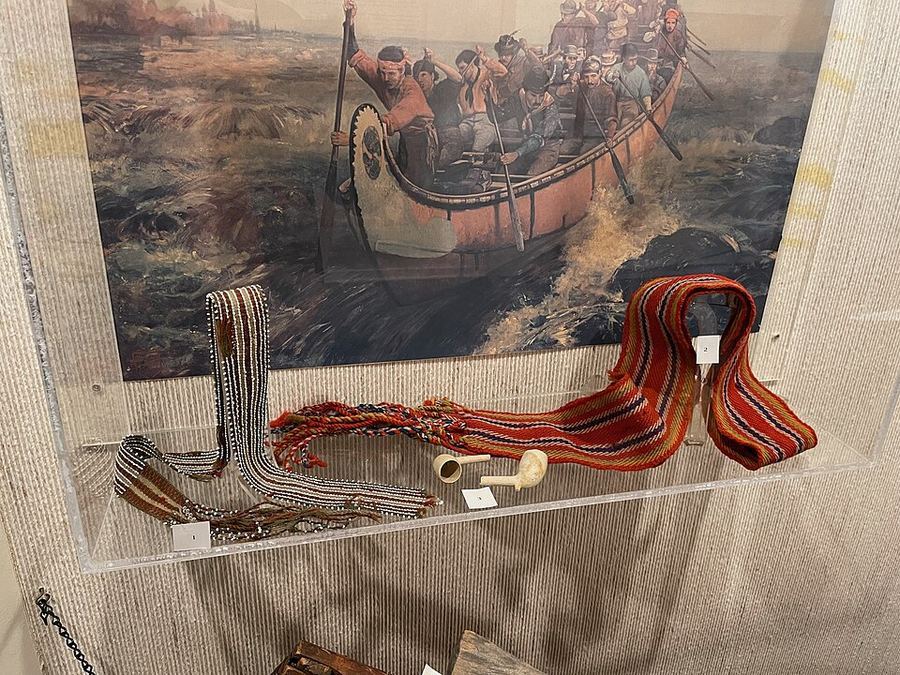
Canada has no single national costume; instead it has a wardrobe of garments that carry history. The Inuit amauti, a woman's parka with a built-in pouch for carrying a baby against the mother's back, is a masterpiece of Arctic engineering, traditionally sewn from caribou hide or sealskin and still made and worn across the North. The Metis ceinture flechee, a long arrow-patterned sash finger-woven in wool, began as a fur-trade tool for hauling and back support and survives as the nation's proudest emblem, knotted at the waist during Festival du Voyageur and Metis celebrations. First Nations regalia, from jingle dresses hung with hundreds of metal cones to ribbon skirts and eagle-feather headdresses, remains living ceremonial dress governed by protocol, not costume. Settler history contributes the capote, a hooded coat cut from a Hudson's Bay point blanket, and the scarlet serge and flat-brimmed Stetson of the Royal Canadian Mounted Police, arguably the most recognizable uniform in the world. Everyday vernacular dress is its own signature: the wool toque and plaid flannel jacket are worn half-ironically, wholly sincerely, from Newfoundland to the Yukon.
National Dress, Canada
Fungus Guy / CC BY 4.0

Sports & Inspiring Athletes

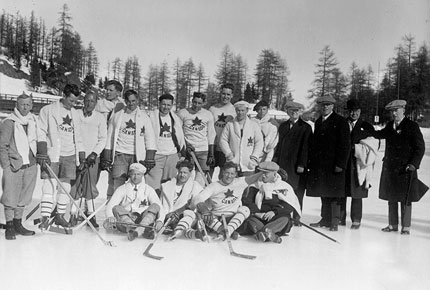
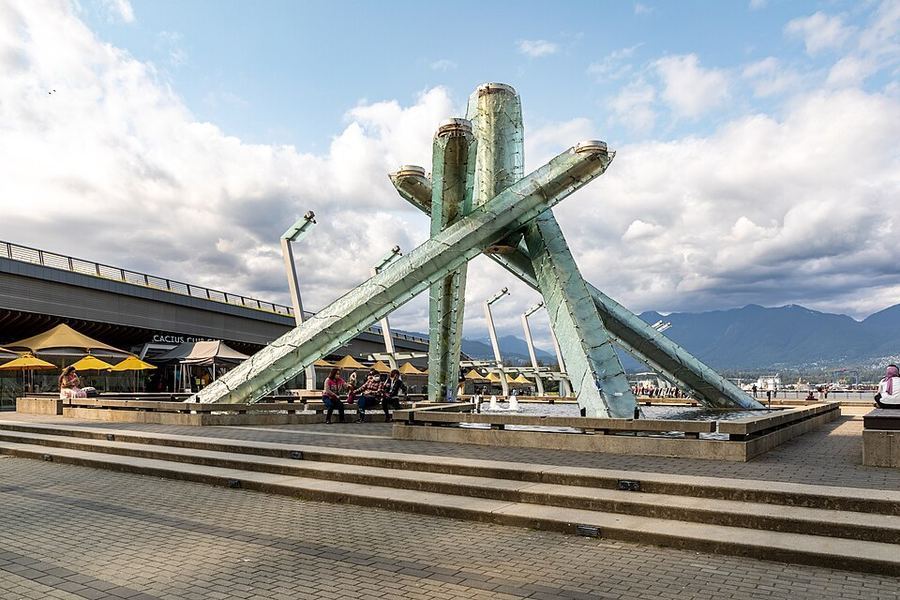
Hockey is the national obsession and, since a 1994 act of Parliament, officially the national winter sport; lacrosse, rooted in First Nations stickball traditions centuries old, is the national summer sport. Canada has won more Olympic ice hockey gold medals than any other nation, and frozen ponds and small-town rinks remain the country's true civic architecture. The country has hosted three Olympic Games, in Montreal in 1976, Calgary in 1988, and Vancouver in 2010, where the home team's 14 gold medals were then the most by any nation at a single Winter Games, a mark Norway has since passed. At Milano Cortina 2026 Canada finished with 21 medals, five of them gold, including Mikael Kingsbury's dual-moguls title and Brad Jacobs's men's curling crown, but both hockey finals ended in overtime losses to the United States and a pair of silvers. Canadians dominate curling, a sport with more registered players there than anywhere else, and claim basketball's very inventor: James Naismith, an Ontario-born physical educator who devised the game in 1891, a lineage the Toronto Raptors honoured with the NBA title in 2019. In 2026 Canada co-hosted the FIFA World Cup with the United States and Mexico, staging matches in Toronto and Vancouver; the men's team won its first World Cup match ever, 6-0 over Qatar in Vancouver with a Jonathan David hat-trick, reached the knockout rounds for the first time, beat South Africa 1-0 on a stoppage-time goal by Stephen Eustaquio, and bowed out 3-0 to Morocco in the round of 16, finishing 14th of 48 teams.
Sports & Inspiring Athletes, Canada
Author unknown / Public domain

Notable Educational Programs

Uniquely among major countries, Canada has no federal education ministry: each province and territory runs its own K-12 system, yet outcomes converge near the top of international assessments, and Canada leads the OECD in post-secondary attainment, with roughly two-thirds of adults holding a college or university credential. Quebec inserts a distinctive step between high school and university, the CEGEP, a free two-year college of general and vocational studies. The most popular national program is French immersion, in which hundreds of thousands of anglophone children study mathematics, science, and history entirely in French, a mainstream path to bilingualism found in nearly every school district. The post-secondary sector is adjusting to a federal cap on international students: Ottawa limited study permits to 408,000 for 2026, a further 7 percent cut, while exempting master's and doctoral applicants at public institutions from provincial attestation letters from 1 January 2026. The North poses education challenges few countries face: Nunavut delivers schooling in Inuktut alongside English under its own Education Act, training Inuit teachers through Nunavut Arctic College, while fly-in communities across the territories rely on distance learning to offer senior courses. Land-based learning, where students earn credit for time on the land with elders learning harvesting, navigation, and language, has moved from the margins into official Indigenous curricula, part of the school system's response to the residential-school legacy.
Notable Educational Programs, Canada
Maksim Sokolov (maxergon.com) / CC BY-SA 4.0

Wars & Conflicts

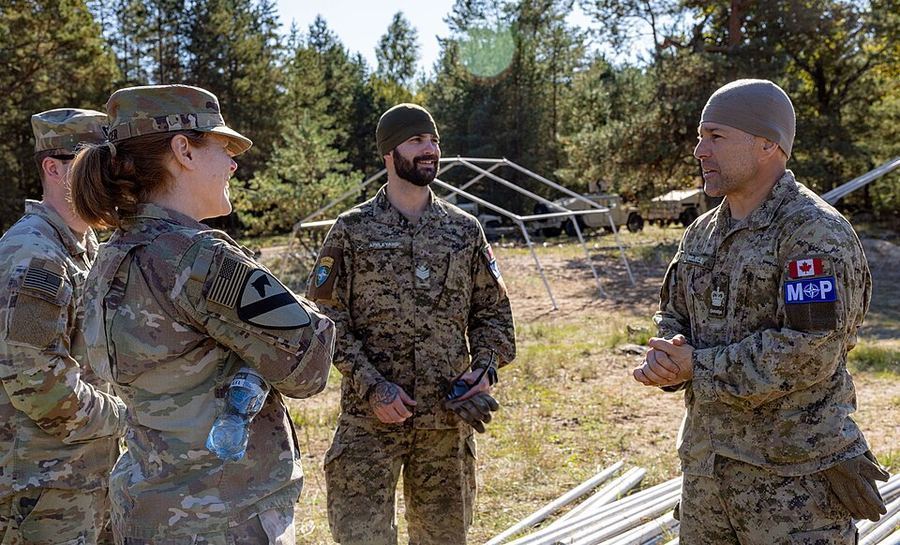
Canada faces no armed conflict on its own soil, but as of mid-October 2026 its trade war with the United States has become an open economic confrontation. The CUSMA pact's July 2026 joint review ended without the extension Ottawa sought, leaving the agreement running on annual reviews (McMillan LLP, July 2026). In mid-August President Donald Trump threatened 50 percent tariffs on a further US$20 billion of Canadian goods, announced a tentative deal on 18 August and postponed the duties for three days, and Prime Minister Mark Carney asked the premiers to put American alcohol back on provincial shelves and lift procurement bans (The Globe and Mail, 19-20 August). The talks collapsed on 21 August: Carney said Washington had 'asked too much, offered too little' and that last-minute US terms were 'unfair, uneconomic' and threatened the auto, steel and aluminum industries and Quebec's language protections (CNN, 21 August), while US Trade Representative Jamieson Greer countered that Canada 'always had the best deal' and had declined a better one (Al Jazeera, 23 August). The 50 percent US tariffs took effect on 22 August on wine, furniture, dairy, cement, clothing and hockey equipment, roughly 5.5 percent of Canadian exports, and Ottawa matched them dollar for dollar from 8 September on US steel, dairy, appliances, farm equipment, pulp and paper and electronics (Al Jazeera, 23 August). Washington has since threatened 50 percent duties on all Canadian cars and parts from 1 January 2027; Carney says Canada is 'ready to sit down and strike that deal', and Trump has warned him not to make the president 'the enemy' (Al Jazeera, 3 September). Talks have continued in fits and starts, with Ottawa seeking steel relief, but no settlement had been announced by mid-October (CBC News). The rupture has pulled defence spending up: NATO figures released in March 2026 showed Canada at about 2 percent of GDP in 2025, roughly C$63 billion and the first time since 1990, with a pledge of 5 percent by 2035 (The Canadian Press, 26 March 2026). Abroad, Operation REASSURANCE in Latvia, extended to 2029, remains the largest deployment: about 2,000 Canadian troops anchor a NATO brigade drawn from 14 nations, which passed to Colonel David Brassard on 10 June 2026 (Department of National Defence; CBC News). At home, NORAD scrambled a dozen US and Canadian aircraft, including two RCAF CF-18s, when two Russian Tu-142s entered the Alaskan and Canadian air-defence zones over the Beaufort Sea on 4 March 2026 without crossing into sovereign airspace (NORAD; The Aviationist, 6 March 2026), and the Canadian Armed Forces ran Operation NANOOK-NUNALIVUT along the Northwest Passage while Ottawa funds a C$6 billion over-the-horizon radar for the North (Defense News, 21 April 2026).
Al JazeeraThe Globe and MailCNNCBC NewsThe Canadian PressDepartment of National DefenceNORADThe AviationistDefense NewsMcMillan LLP
Last reviewed 2026-10-13 · 5 weeks ago
Wars & Conflicts, Canada
U.S. Army photo by Pfc. Gabriel Martinez / Public domain

Land & Border Disputes

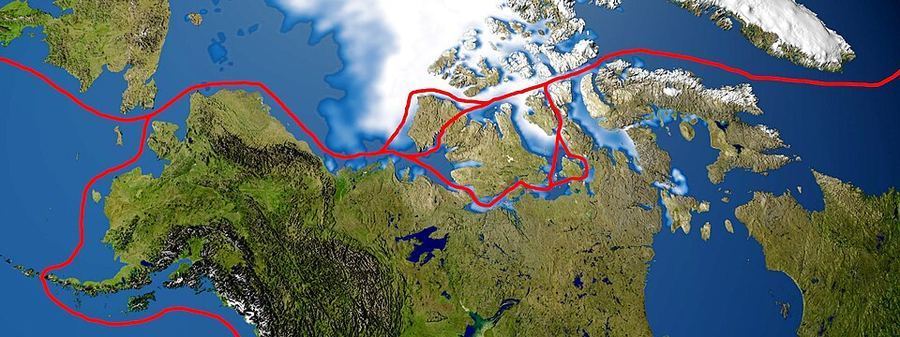
Canada's disputes are overwhelmingly about cold water. The most consequential concerns the Northwest Passage: Canada considers the fabled Arctic route internal waters requiring its permission to transit, while the United States and others call it an international strait open to all shipping, a disagreement growing sharper as sea ice retreats and traffic rises, and one Ottawa now backs with annual military exercises along the route. Canada and the US also contest a wedge-shaped slice of the Beaufort Sea off Yukon and Alaska, roughly 21,000 square kilometres of potentially hydrocarbon-rich seabed, along with tiny Machias Seal Island and North Rock in the Gulf of Maine, where lobster grounds keep the quarrel alive, and technical disagreements linger over the Dixon Entrance and the Strait of Juan de Fuca. Farther north, Canada has filed an extended continental shelf submission with the UN commission covering some 1.2 million square kilometres of Arctic seabed, including the North Pole itself, overlapping rival Russian and Danish claims in a slow-motion scientific contest. One dispute ended happily: in 2022 Canada and Denmark split barren Hans Island between them, ending the decades-long 'whisky war' of flag-planting and bottle-swapping and giving Canada a land border with the Kingdom of Denmark.
Land & Border Disputes, Canada
Wikimedia Commons / Public domain

Land, Life & Legacy

Land & Climate

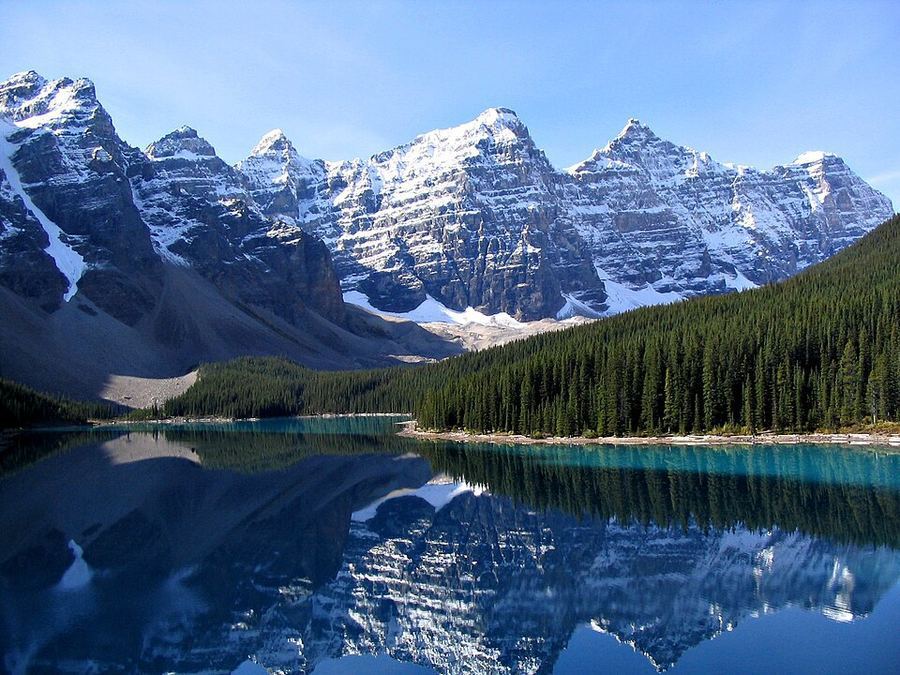
Canada is the second-largest country in the world by area at about 9.98 million square kilometres, and it has the longest coastline of any country, touching the Atlantic, Pacific and Arctic oceans. The Canadian Shield, a vast expanse of ancient Precambrian rock scoured by glaciers, covers much of the east and centre, leaving thin soils, innumerable lakes and enormous mineral wealth. West of it the Interior Plains carry the prairie grain belt across Alberta, Saskatchewan and Manitoba before rising into the Rocky Mountains and the Coast Mountains; Mount Logan in the Yukon, at 5,959 metres, is the highest peak in Canada. The Great Lakes and St Lawrence lowlands in the southeast are the smallest region but hold most of the population and industry. To the north lie the Arctic Archipelago, continuous permafrost and the Northwest Passage, which is opening as sea ice retreats. Climate ranges from oceanic on the British Columbia coast through sharply continental in the interior to Arctic in the far north, and the great majority of Canadians live within about 160 kilometres of the United States border.
Land & Climate, Canada
Gorgo / Public domain

Entertainment

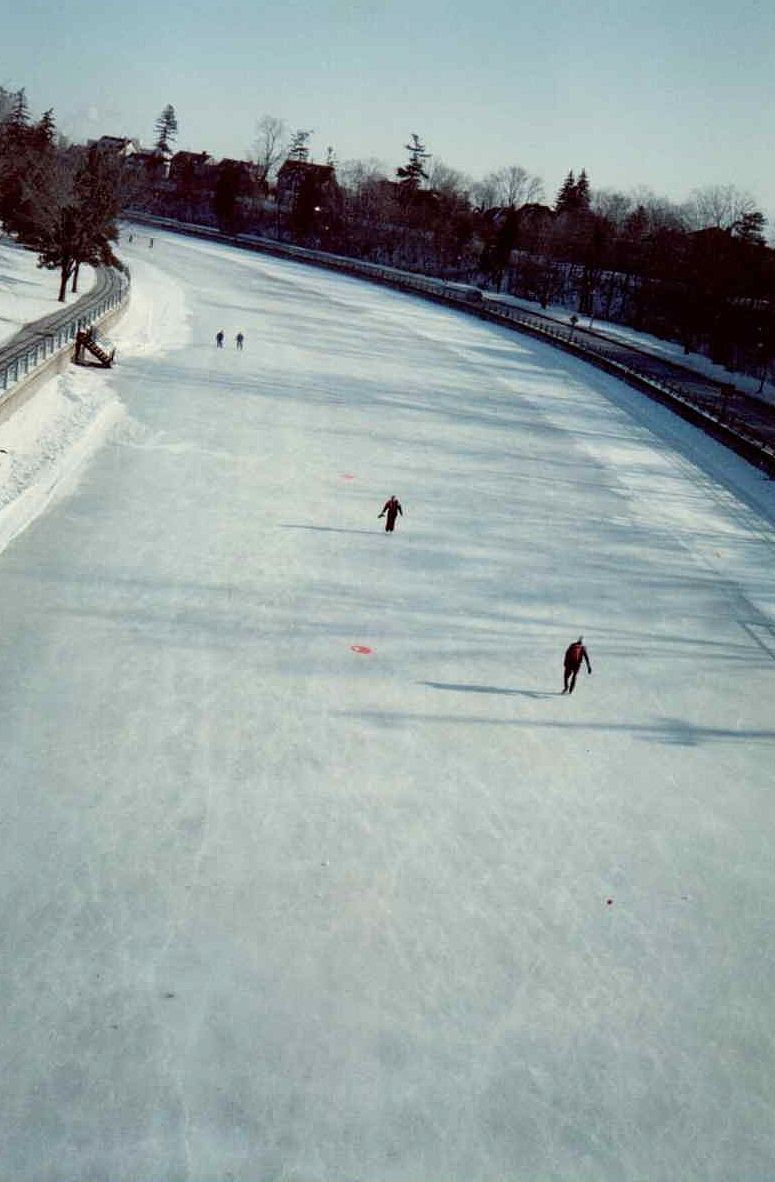
Canadian leisure follows the seasons with almost liturgical regularity. Summer means the cottage: every July, highways out of Toronto and Montreal jam with families heading to lakes in Muskoka, the Laurentians, and the Kawarthas, canoes strapped to roofs. The national parks system, begun at Banff in 1885, draws millions to the Rockies' turquoise lakes, while Algonquin Provincial Park remains the spiritual home of canoe tripping. Winter brings pond hockey, ski hills from Whistler to Mont-Tremblant, and skating on Ottawa's Rideau Canal, a UNESCO World Heritage waterway that freezes into one of the world's largest rinks. The festival calendar is anchored by the Calgary Stampede, a rodeo spectacle running since 1912; the Quebec Winter Carnival presided over by the snowman Bonhomme; the Montreal International Jazz Festival, among the largest jazz gatherings anywhere; and the Toronto International Film Festival, whose audience award has become an Oscar bellwether. Niagara Falls remains the country's single busiest tourist magnet, and in summer 2026 Toronto and Vancouver added World Cup football to the calendar as co-host cities.
Entertainment, Canada
Llydia / CC BY-SA 4.0

Art & Museums

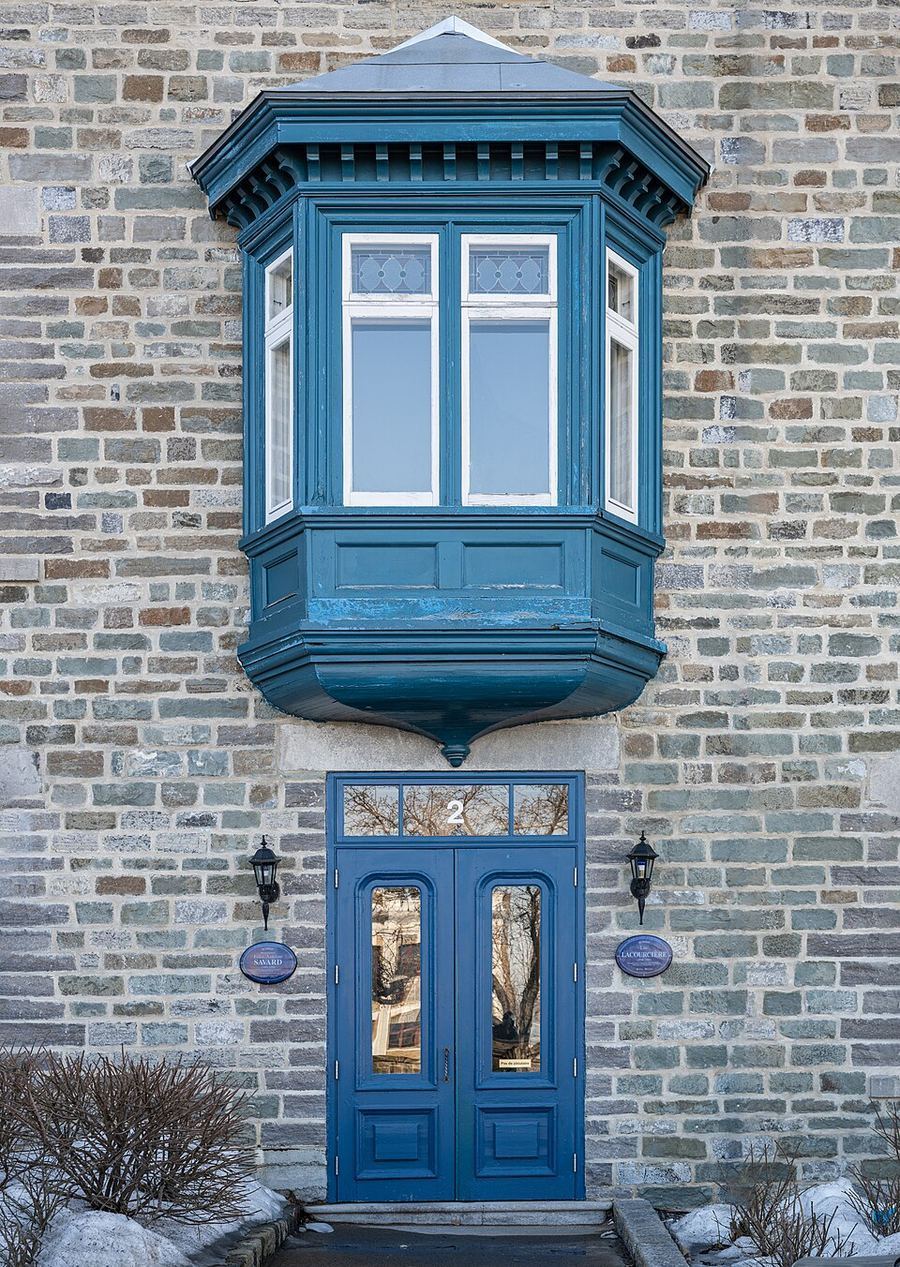
Canadian painting found its national voice in the Group of Seven, who exhibited together in Toronto from 1920 and rendered the Precambrian Shield, Algoma, and Algonquin wilderness in bold post-impressionist colour; their forerunner Tom Thomson drowned in Canoe Lake in 1917 before the group formally existed, yet remains its patron spirit. On the Pacific coast, Emily Carr painted totem poles and rainforest in swirling canvases that now anchor the Vancouver Art Gallery, while in Quebec Paul-Emile Borduas and Jean-Paul Riopelle launched an abstract revolt with the Automatistes and their incendiary 1948 manifesto Refus global. Indigenous art transformed the field twice more: Norval Morrisseau founded the Woodland School of luminous Anishinaabe imagery, and the Kinngait (Cape Dorset) print studios made Kenojuak Ashevak's The Enchanted Owl a national icon that has appeared on stamps and coins. The National Gallery of Canada in Ottawa, Toronto's Art Gallery of Ontario, and the McMichael Canadian Art Collection in Kleinburg hold the core collections.
Art & Museums, Canada
John of Kastav / Public domain

Notable People

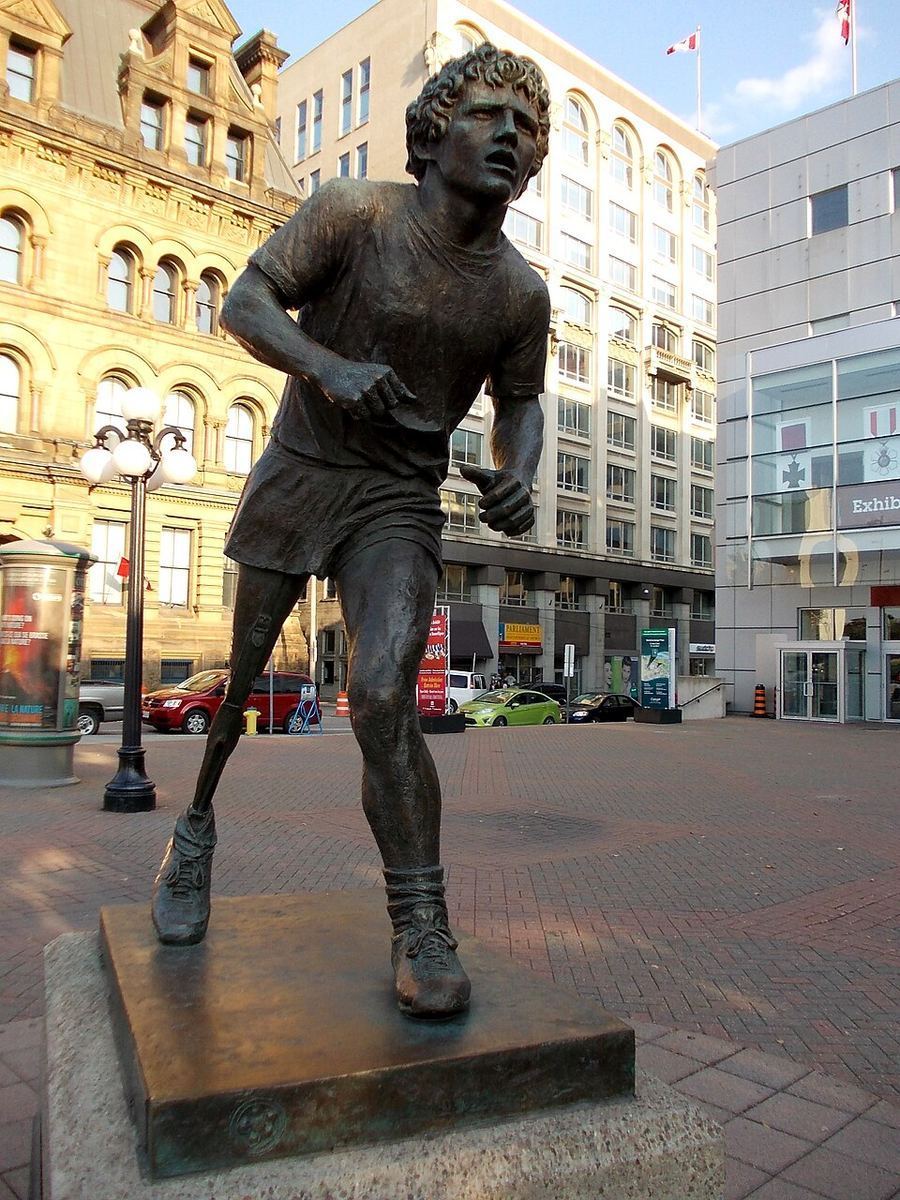
Canada's roster of consequential names spans every field. Letters claim two Nobel laureates: Alice Munro, whose short stories won the 2013 prize, and the Toronto-born poet Anne Carson, author of Autobiography of Red, who was awarded the 2026 Nobel Prize in Literature on 8 October; Margaret Atwood, Michael Ondaatje, and Leonard Cohen round out the shelf. Science offers Frederick Banting, co-discoverer of insulin and 1923 Nobel laureate; Arthur B. McDonald, who shared the 2015 physics Nobel for showing that neutrinos have mass; and Geoffrey Hinton of the University of Toronto, whose 2024 physics Nobel recognized the neural-network foundations of modern artificial intelligence, while Canadian-born economist Peter Howitt shared the 2025 Nobel in economic sciences. Politics contributed Lester B. Pearson, the 1957 Nobel Peace Prize winner who later served as prime minister, and Pierre Trudeau, architect of the 1982 Charter of Rights and Freedoms. Terry Fox, who ran a marathon a day on one prosthetic leg for 5,373 kilometres in 1980 before cancer stopped him, may be the most beloved Canadian of all. Wayne Gretzky rewrote hockey's record book so thoroughly that he still holds dozens of NHL marks, Celine Dion became one of the best-selling singers in history, and the Thomson media family regularly tops Forbes's ranking of Canada's wealthiest. The country mourned two entertainers in 2026: Catherine O'Hara, the Toronto-born comic actor of SCTV, Home Alone, and Schitt's Creek, died in Los Angeles on 30 January at 71, and David Clayton-Thomas, the voice of Blood, Sweat & Tears, died in Toronto in June at 84.
Notable People, Canada
Andrijko Z. / CC BY-SA 3.0

Inventions & Breakthroughs

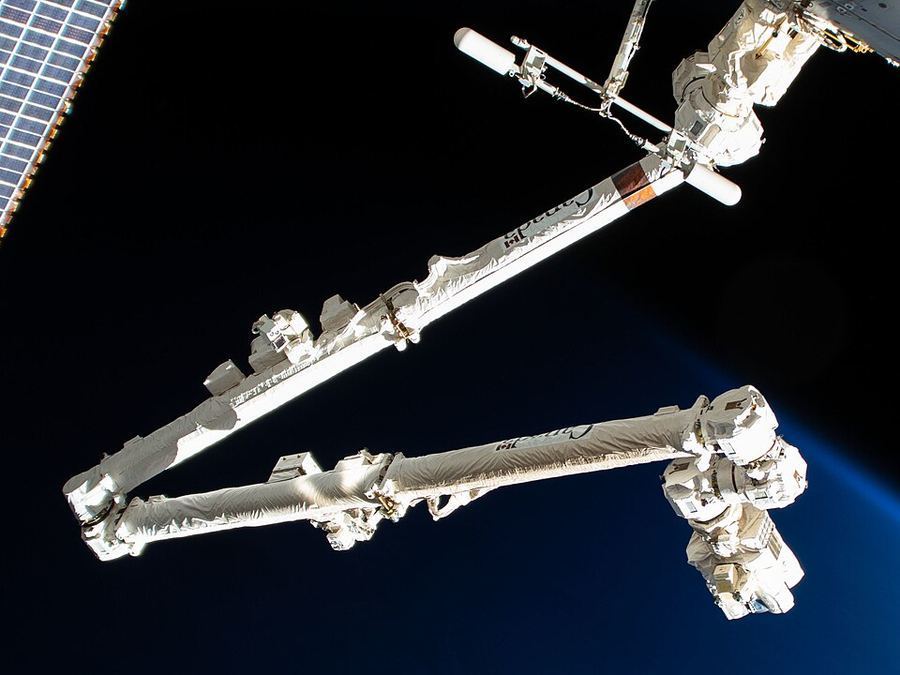
Canadian inventiveness has a habit of going global. Frederick Banting and Charles Best isolated insulin at the University of Toronto in 1921-22, and the patent was sold for a token sum so treatment would stay affordable. Joseph-Armand Bombardier of Valcourt, Quebec, patented the snowmobile in 1937, while engineer John Hopps built one of the first cardiac pacemakers at the National Research Council in 1950. Sandford Fleming proposed the worldwide system of standard time zones in the 1870s after missing a train in Ireland; James Naismith invented basketball in 1891; and Canadian plant breeders created canola from rapeseed in the 1970s, producing one of the world's major oilseed crops. The IMAX large-format film system grew out of work for Expo 67 in Montreal, the Canadarm flew on the Space Shuttle from 1981, and Calgary-born James Gosling created the Java programming language. Alexander Graham Bell conducted much of the early telephone work at his family home in Brantford, Ontario.
Inventions & Breakthroughs, Canada
NASA / Public domain

Science & Technology

Canadian research has produced several results of first-rank importance. Frederick Banting and Charles Best isolated insulin at the University of Toronto in 1921-22, and the patent was sold to the university for a nominal sum so the drug could be made widely; Banting and John Macleod received the Nobel Prize in 1923. In space, Alouette 1 in 1962 made Canada the third country to design and build its own satellite, and the Canadarm and Canadarm2 robotic manipulators, built for the Space Shuttle and the International Space Station, became the country's most recognisable engineering export. Atomic Energy of Canada developed the CANDU heavy-water reactor, which burns natural uranium and has been sold abroad, and TRIUMF in Vancouver operates a major particle accelerator. Most consequentially in recent decades, Canadian universities sustained neural-network research through its unfashionable years: Geoffrey Hinton at Toronto and Yoshua Bengio at Montreal shared the 2018 Turing Award for deep learning, Hinton went on to share the 2024 Nobel Prize in Physics for that foundational work, and the Vector, Mila and Amii institutes grew from it.
Science & Technology, Canada
NASA / Public domain

On The World Stage

Champions of Canada

Champions & Defining Moments

Canada's Olympic story peaks on ice: its men's and women's teams have won more Olympic hockey golds than any other nation, and Sidney Crosby's overtime 'golden goal' against the United States at Vancouver 2010 capped a home Games in which Canada's 14 golds were then the most won at a single Winter Games, a mark Norway has since passed. The rivalry cut the other way at Milano Cortina 2026, where both the men, led by tournament MVP Connor McDavid, and the women lost gold-medal games to the Americans in overtime; Canada still left Italy with 21 medals, and Mikael Kingsbury became the first freestyle skier with five Olympic medals while short-track skater Courtney Sarault took four at one Games. The trophy case extends well beyond the rink. Donovan Bailey won the 100 metres in a then-world-record 9.84 seconds at Atlanta 1996; Andre De Grasse took 200-metre gold in Tokyo; and swimmer Penny Oleksiak's seven career medals make her Canada's most decorated Olympian. Christine Sinclair retired in 2023 as international soccer's all-time leading scorer, men's or women's, with 190 goals, after captaining Canada to Olympic gold at the Tokyo Games. Bianca Andreescu's 2019 US Open title was Canada's first Grand Slam singles crown, Canadian curlers routinely dominate world championships, and at the 2026 World Cup on home soil the men's side recorded its first tournament win and first knockout victory before falling to Morocco in the round of 16.

Dietmar Rabich / CC BY-SA 4.0

Government & Leadership

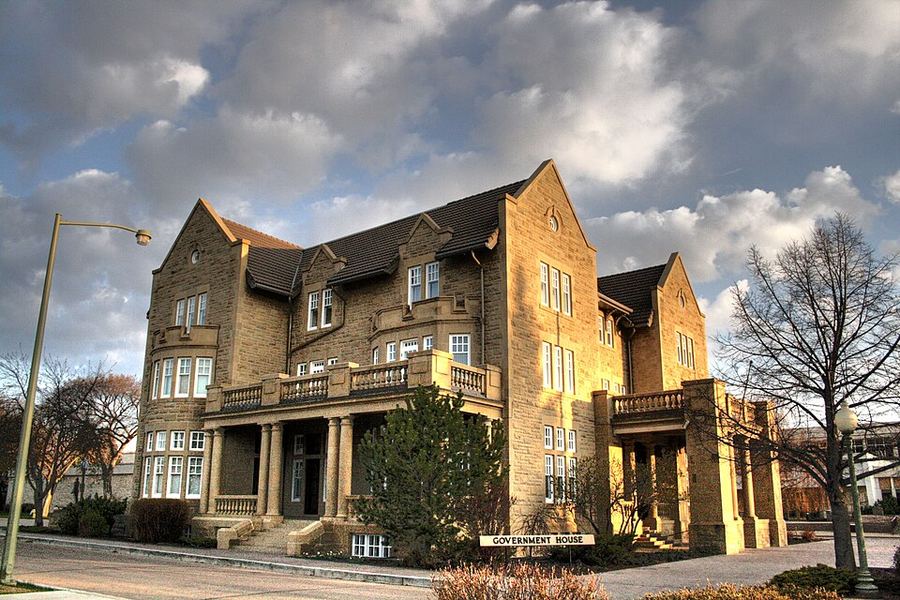
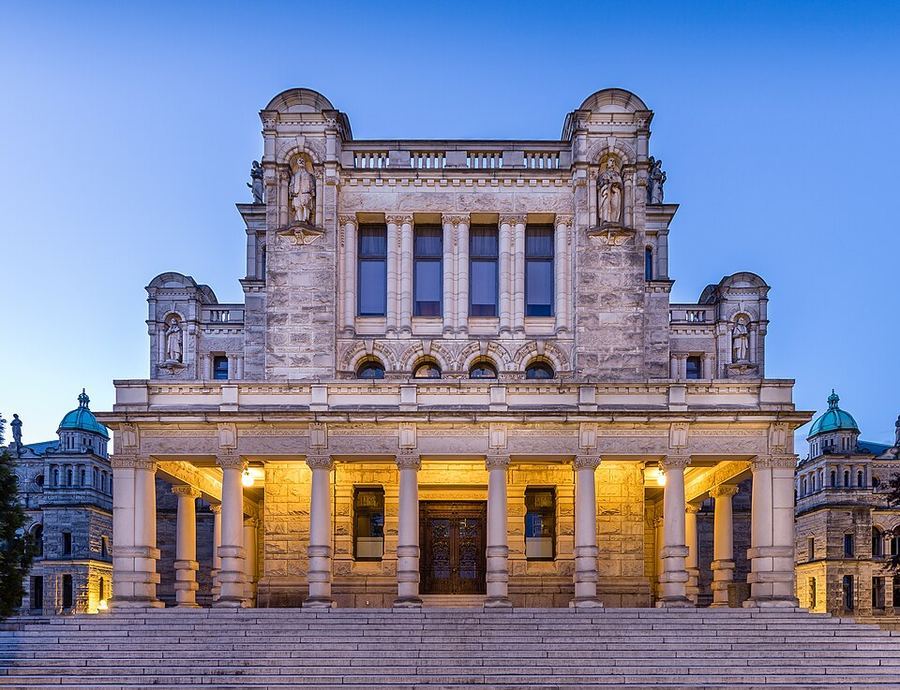
Federal parliamentary democracy (Parliament of Canada) under a constitutional monarchy; a Commonwealth realm; federal and state authorities and responsibilities regulated in constitution

Seat of the executive

Executive

Charles III — King

In office since 8 September 2022

Mark Carney — Prime Minister

The legislature

Parliament of Canada - Parlement du Canada

Bicameral

Senate — 105 seats

54.8% women

House of Commons — 343 seats

Last election 4/28/2025 · 30.3% women

Michal Klajban / CC BY-SA 4.0
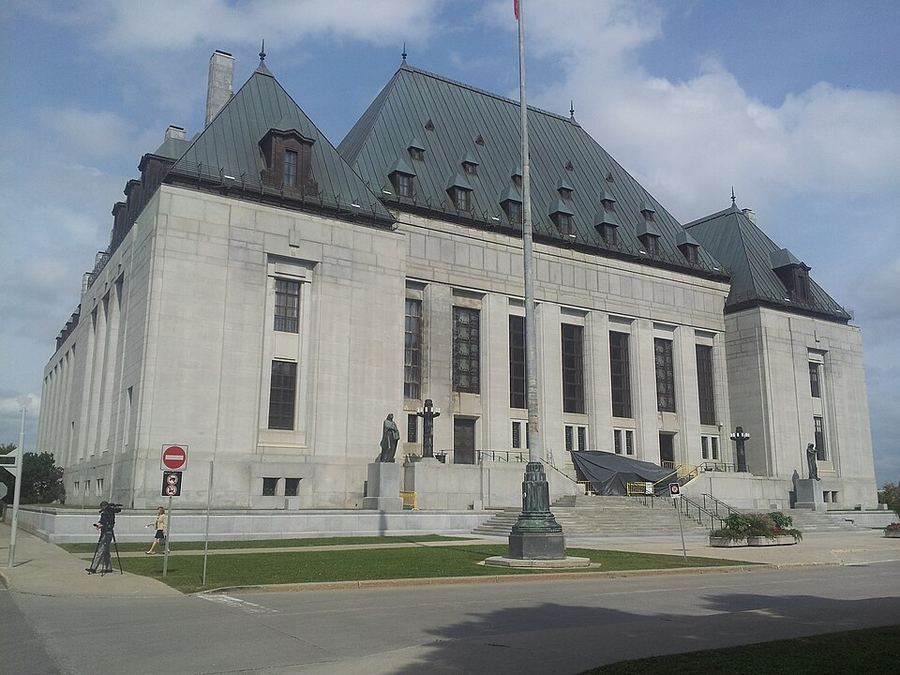
The highest court
The highest court — Rleir / CC BY-SA 3.0

Supreme Court of Canada

Consists of the chief justice and 8 judges

Economy, Trade & Government

Currency & GDP

Canadian Dollar — CAD ($)

GDP (PPP): $2.341 trillion (2024 est.) (in 2021 dollars)

Per capita: $56,700 (2024 est.) (in 2021 dollars)

Exports

$727.831 billion (2024 est.)

crude petroleum, cars, gold, natural gas, refined petroleum (2023)

Partners: USA 71%, China 5%, UK 3%, Japan 2%, Mexico 2% (2023)

Imports

$733.778 billion (2024 est.)

cars, trucks, vehicle parts/accessories, refined petroleum, crude petroleum (2023)

Partners: USA 51%, China 11%, Mexico 6%, Germany 3%, Japan 3% (2023)

Government

Type: federal parliamentary democracy (Parliament of Canada) under a constitutional monarchy; a Commonwealth realm; federal and state authorities and responsibilities regulated in constitution

Independence: 1 July 1867 (union of British North American colonies); 11 December 1931 (recognized by UK per Statute of Westminster)

Terrain → Where People Live

How mountains, coasts, and rivers shape settlement (LandScan).

Not yet available for this country

Migration & Ethnic Settlement

Where groups settled and how people move (GeoEPR + UNHCR).

Not yet available for this country

Universities

Notable institutions, mappable as points.

Not yet available for this country
Economy & government facts: CIA World Factbook (public domain), via OpenFactBook / factbook.json.
Every fact and narrative claim will carry a visible source citation. Data-driven sections light up automatically wherever HERA has coverage.