History
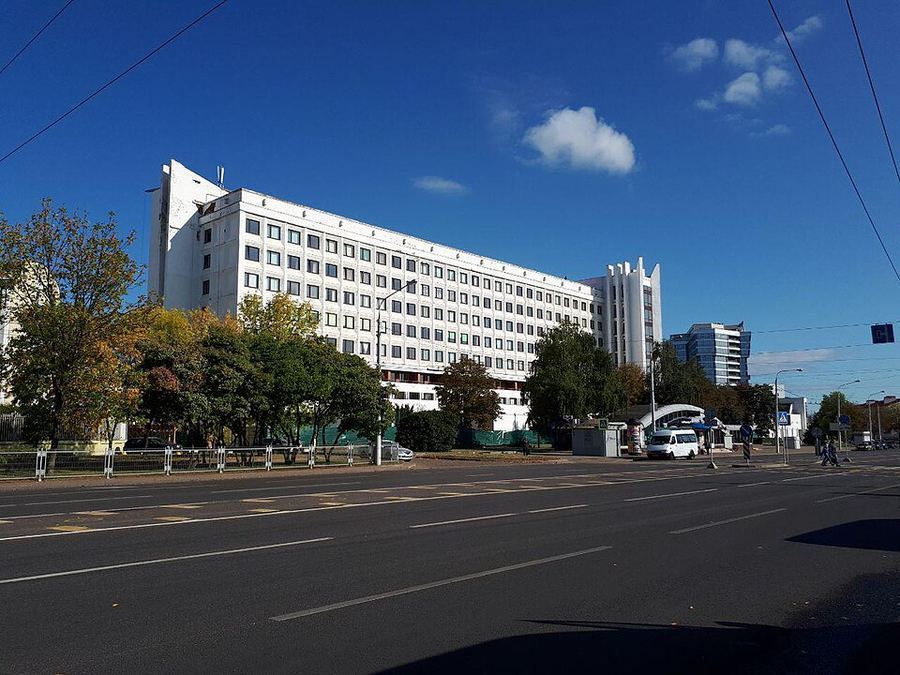
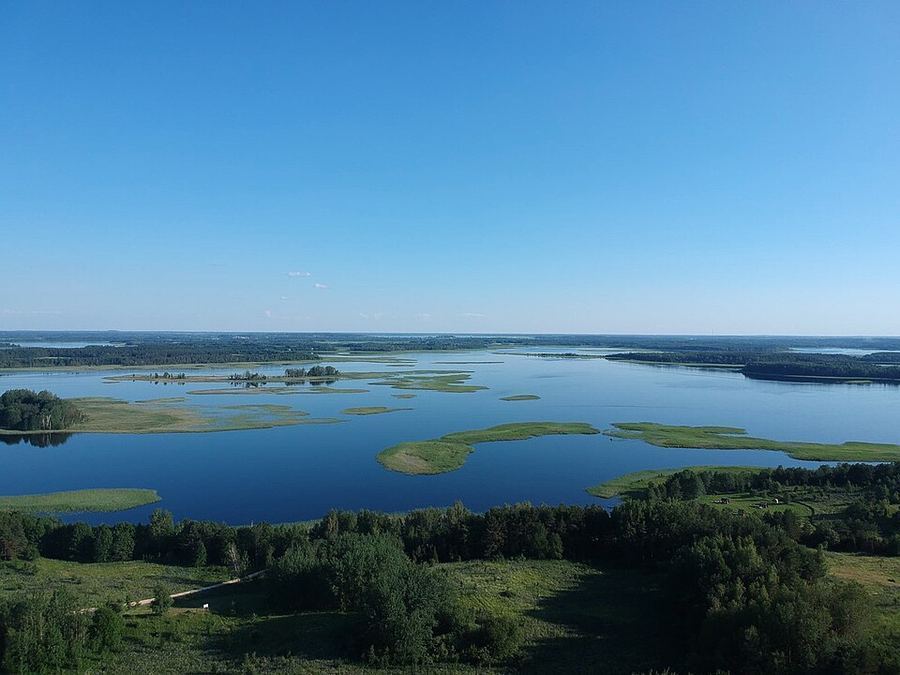
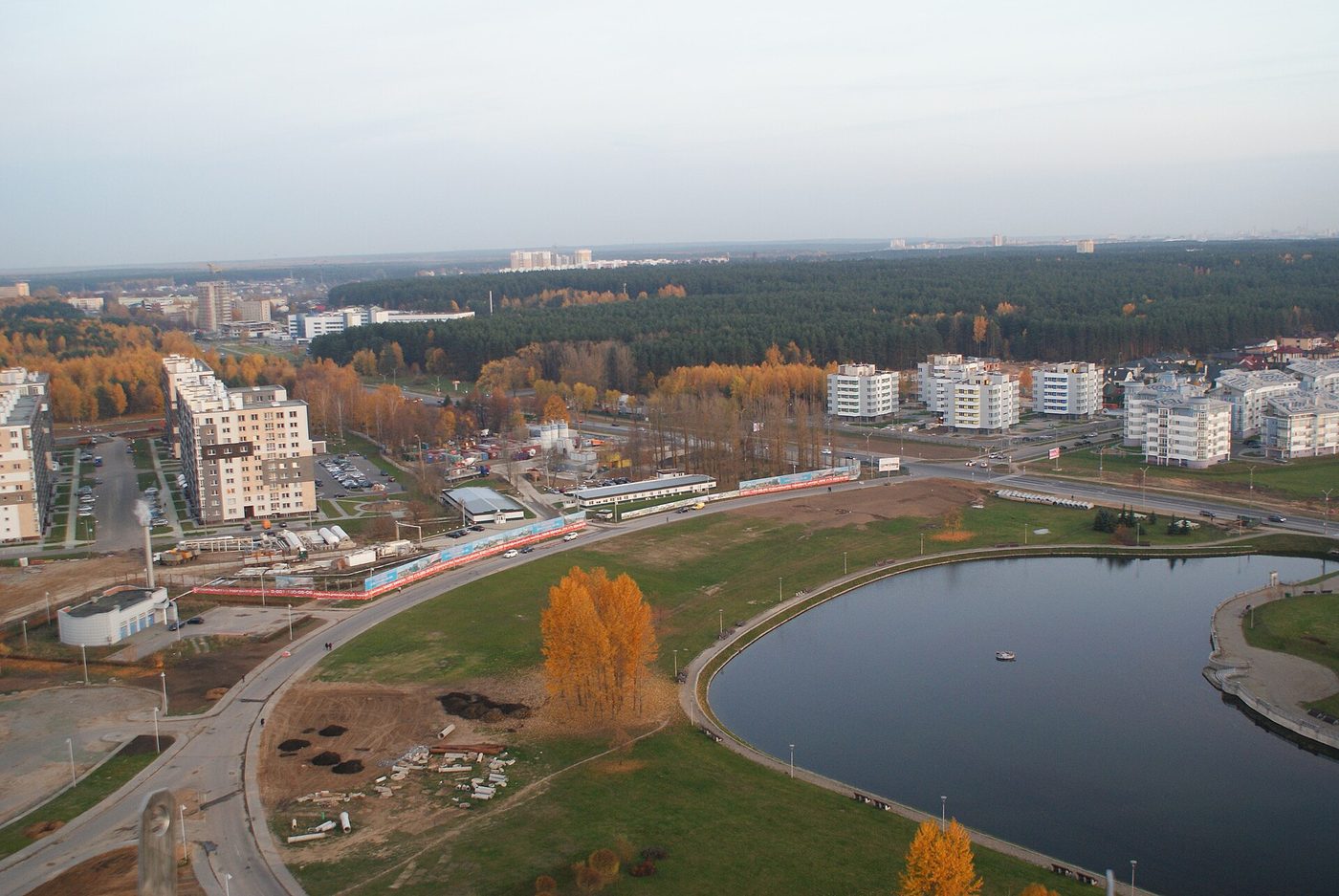
Belarus is a landlocked country of about 9.5 million people in eastern Europe, bordered by Russia, Ukraine, Poland, Lithuania and Latvia. It is flat, forested and lake-strewn, with no point higher than about 345 metres, and roughly two-fifths of its territory under woodland. Minsk, the capital, holds close to two million people and was rebuilt almost from nothing after the Second World War, giving it one of the most complete Stalinist urban ensembles anywhere. The population is overwhelmingly Belarusian, with Russian, Polish and Ukrainian minorities. Both Belarusian and Russian are official, but Russian dominates public and private life and only about a quarter of the population reports Belarusian as the language it usually speaks, a balance that itself carries political weight. Orthodox Christianity is the largest confession, with a significant Catholic minority in the west and a very large share reporting no religion. Belarus declared independence from the Soviet Union on 25 August 1991. Alexander Lukashenko has governed since 1994. The economy remains heavily state-owned and industrial, exporting potash fertiliser, refined fuels, machinery, timber and dairy, and it has become closely bound to Russia through the Union State and through the sanctions imposed after 2020 and 2022.
Minsk's urban core is home to about 2,093,512 people.
That's bigger than Amsterdam — each a great world city in its own right.
Among the world's megacities, though, it's one of many — the giants of Asia and Latin America run larger still:
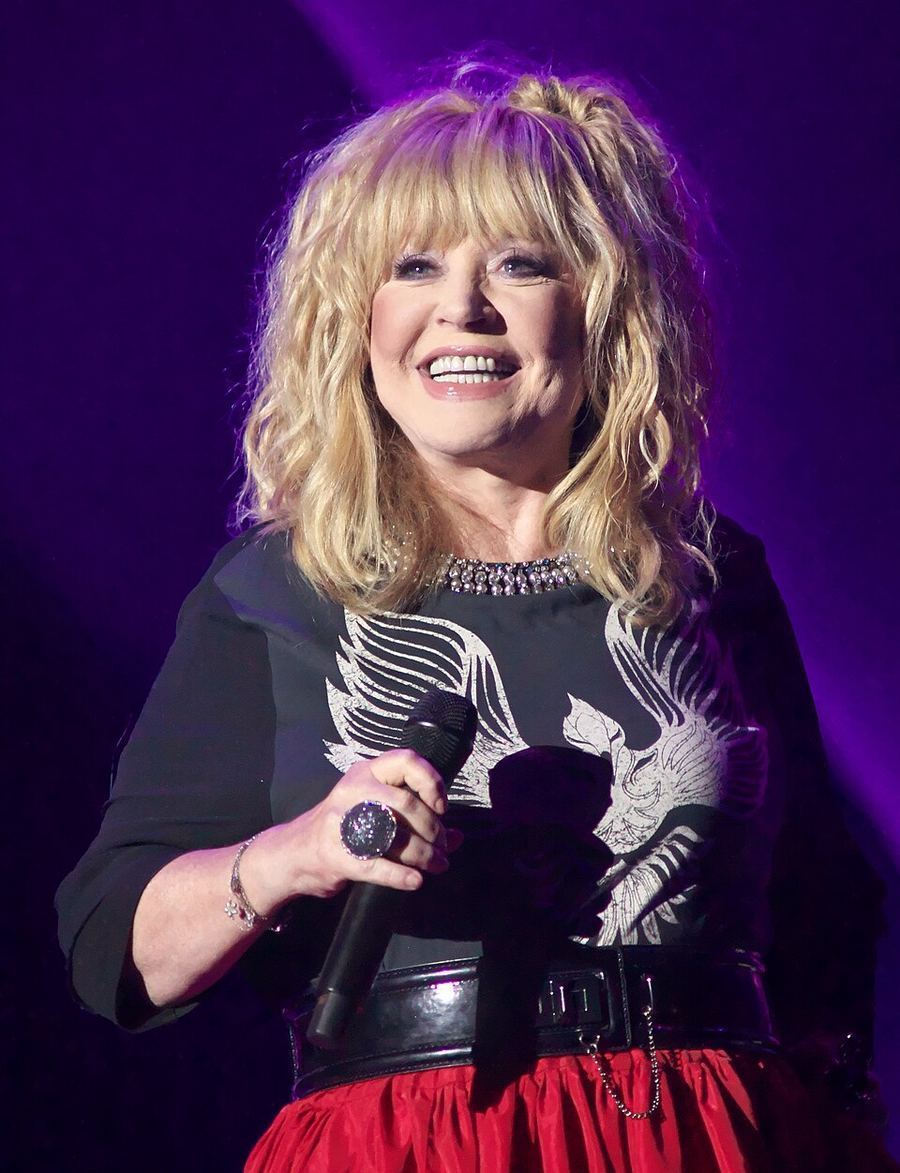
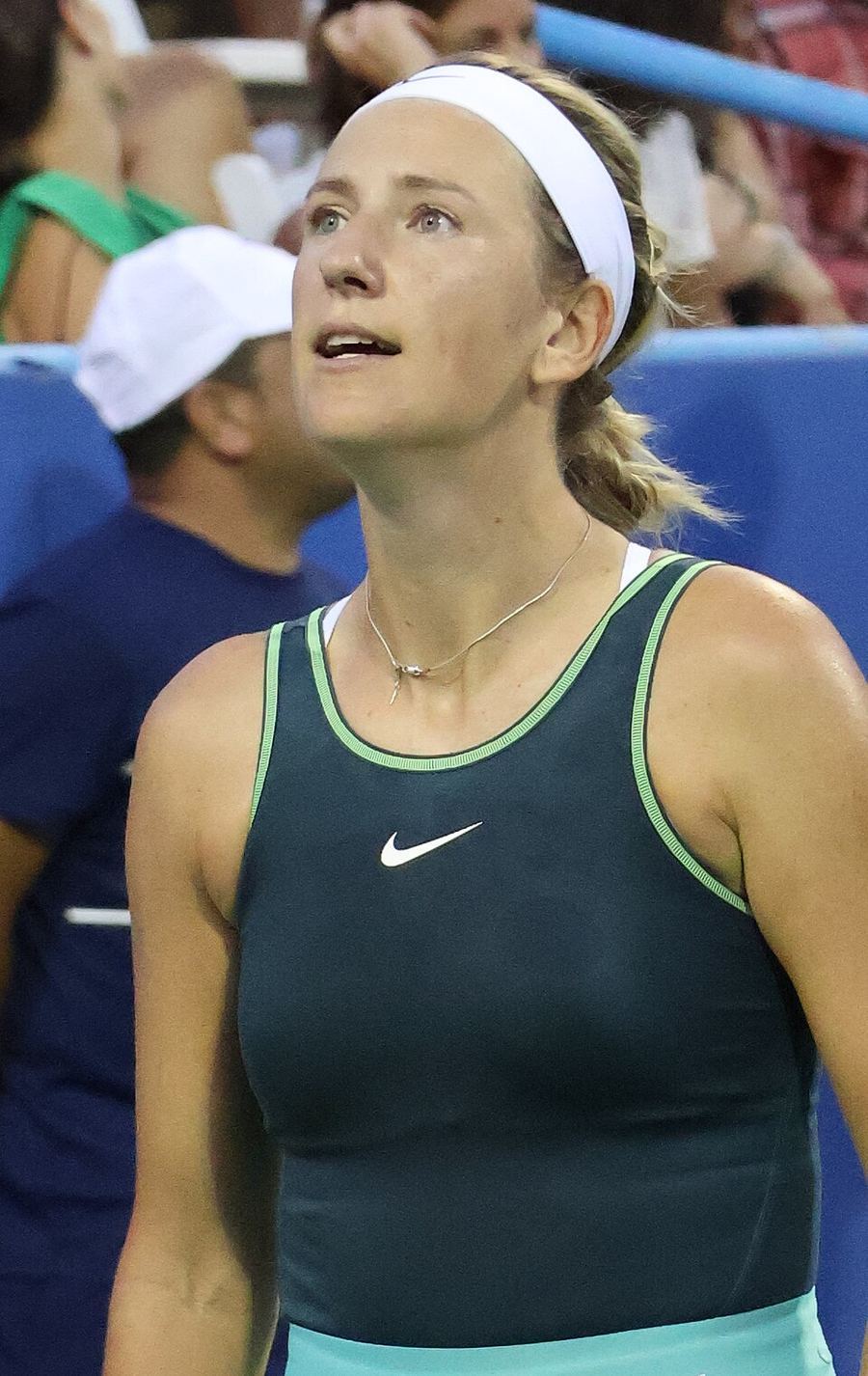
Belarusian athletes competed for the Soviet Union until 1991 and for the Unified Team in 1992, when the Minsk gymnast Vitaly Scherbo won six gold medals in Barcelona, still the most won by any gymnast at a single Olympic Games. Competing independently since 1994, Belarus has taken most of its medals in gymnastics, wrestling, weightlifting, athletics, rowing, shooting and biathlon. Its outstanding winter athlete is Darya Domracheva, who won three individual biathlon golds at Sochi in 2014 and added a relay gold in Pyeongchang in 2018; the freestyle skiers Alexei Grishin and Anton Kushnir won aerials golds in 2010 and 2014. In tennis, Victoria Azarenka won the Australian Open in 2012 and 2013 and held the world number one ranking, Max Mirnyi was the world's leading doubles player and won multiple grand slam titles, and Aryna Sabalenka has won multiple grand slam singles titles and reached number one. The Belarusian Olympic record has also been marked by a comparatively high number of doping disqualifications, and since Russia's invasion of Ukraine in 2022 Belarusian competitors have been barred from many events or required to compete without national symbols.
Presidential republic in name, although in fact a dictatorship
Alyaksandr Lukashenka — PresidentINDEPENDENT
In office since 20 July 1994
Alyaksandr Turchyn — Prime Minister
Bicameral
Council of the Republic (Soviet Respubliki) — 65 seats
Last election 4/4/2024 · 30.5% women
House of Representatives (Palata Predstaviteley) — Belaya Rus party largest party
Belaya Rus party 51 · Republican Party of Labour and Justice 8 · Communist Party of Belarus 7 · Non-partisans 40 · Other 4
Last election 2/25/2024 · 33.9% women
consists of the chairman and deputy chairman and organized into several specialized panels, including economic and military; number of judges set by the president of the republic and the court chairman); Constitutional Court (consists of 12 judges, including a chairman and deputy chairman
Belarusian Ruble — BYN (Br)
GDP (PPP): $265.22 billion (2024 est.)
Per capita: $29,000 (2024 est.)
$49.386 billion (2024 est.)
fertilizers, rapeseed oil, wood, poultry, beef (2023)
Partners: China 34%, Kazakhstan 10%, Uzbekistan 7%, Poland 6%, Brazil 5% (2023)
$50.679 billion (2024 est.)
cars, broadcasting equipment, fabric, plastic products, video displays (2023)
Partners: China 33%, Poland 16%, Germany 11%, Lithuania 10%, Turkey 9% (2023)
Type: presidential republic in name, although in fact a dictatorship
Independence: 25 August 1991 (from the Soviet Union)
How mountains, coasts, and rivers shape settlement (LandScan).
Coming — dataWhere groups settled and how people move (GeoEPR + UNHCR).
Coming — dataNotable institutions, mappable as points.
Coming — data